


 Chronicle Editor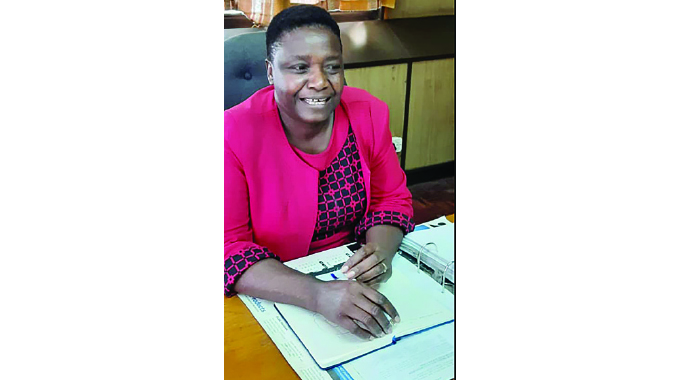
WE continue our interview with Cde Moratiwa Valentine Gazi (nee Ndlovu) pseudo name Cde Abigail Mabetha. Cde Gazi part of the golden generation of female guerillas who were trained at Mkushi, a ZPRA military cantonment for women in Zambia left her education at the prestigious St James Mission in Nyamandlovu to join the armed struggle in April 1977. She was one of the survivors of the Mkushi attack when the racist Rhodesian regime launched a ground and air attack on their camp on 19 October 1978. In that attack Cde Gazi says she lost three of her close relatives. Last week in the first instalment of the interview with our Assistant Editor Mkhululi Sibanda (MS) Cde Gazi spoke about how she was one of the youngsters who were rounded up by guerillas at her rural home at Mawaza in Gwanda District in Matabeleland South Province and escorted to Botswana enroute to Zambia to join the war. She was on her school holiday when the guerillas came knocking at her family homestead and took her to Botswana with 22 other youngsters. Today Cde Gazi talks about her training at Mkushi. Below are excerpts of the interview. Read on…..
MS: Then came the time for training, so tell us about that period.
Cde Gazi: The now late Cde Cephas Cele who was the ZPRA Chief of Personnel and Training one day arrived at Victory Camp (VC) and a parade was called. It was at this parade that the selection for those who were going for training at Mkushi was conducted.
MS: What qualities was Cele looking for?
Cde Gazi: He wanted girls who were aged 17 and above. They had to be physically fit so as he moved from one person to another he would shake the comrades to gauge one’s strength. At that time we had been introduced to the rudimentary aspects of military life. We had been introduced to the toyi-toyi, number 9 (frog jump) and other military drills. I was among those who were deemed fit to undergo full military training and I remember two girls, Buikano whom we also called Popi and Ricky who despite being left out managed to sneak their way in by jumping onto the trucks and joined us.
MS: Do you remember some of the girls that were in that first group to train at Mkushi?
Cde Gazi: We had Gift Tichatonga who is now married to the country’s ambassador to Japan, Abu Basutu, Nompumelelo Moyo, Iris Mabuwa, the former Deputy Minister whom we called Daughters Chiratidzo, Senzeni (Mrs Maphala, mother to former Miss Zimbabwe, Lorraine Maphala), Jester Chivi, Duduzile Mnkandla, Ntombana, Neutral, Keabesto Dube (KD), Mavis, Netsai, Toyi-toyi, Ossie Mhandu, Cecilia Bhebhe, her sister Mantombi, Jane Nyathi etc. We were many more than 1 500 with companies A to F. As for units each section was made up of 12 or 14 comrades, with three or four sections making a platoon, three or four platoons making a company and three or four companies forming a battalion. Then three or four battalions made up the brigade. When we got to Mkushi we found the place as a plain bush and we had to pitch up tents as well as preparing it to be a proper military base. The presence of Jane a woman trained guerilla made us feel at ease. Billy Mzamo (Highten Nkomo), who died recently and was declared national hero was the first camp commander of Mkushi. Cde Billy Mzamo was soft spoken but very tough. To be honest with you I never saw Mzamo laughing. Below Mzamo was Cde Phinda, the now also late Lawrence Makwarimba who was the camp’s Chief of Staff. The Political Commissar was Morgan.
MS: Who were your instructors?
Cde Gazi: Besides the men we had women Belinda, Jane, Zegue, Cecilia, Hazel, Grace and Bvundzai. We also had those who had come from doing their training in Somalia, Kumbirai, Sotsha, Castle, Castro, Maphane, KK, the younger brother to Cde Kembo Mohadi, Ntatshana and Ishmael. At first the camp’s security was under the Zambian Defence Forces but they later left and were replaced by our own ZPRA forces whose strength was a platoon. Among that platoon there was Moses Mzila-Ndlovu. Mzila-Ndlovu and his platoon were there to provide security. Training then started and we found ourselves fully kitted with combat gear that included military boots from countries like the Soviet Union, Cuba and Libya. We were also given shorts which were in colours such as yellow, green and blue.
MS: How was the training?
Cde Gazi: Under Billy Mzamo and his team those people stuck to the book, they treated us like soldiers not women. Their mantra was they were training soldiers not women, so they did not bend their training manual to suit us because we were women, no. It was tough like any ZPRA training. We were trained to be fearless and at the end of the day that helped when we came under attack from the Rhodesians on 19 October 1978. As for the training we covered topography which was taken by Makanyanga and Kumbirai.
Under topography we were taught how to use the compass, which is very crucial in field operations and studying of the terrain. The emphasis was that one should not get lost when out there in the field and we also looked at obstacle crossing. We were drilled onto how we should take care of obstacles such as rivers, swamps, mountains and the like. We were taken through commissariat lessons by the Camp Political Commissar who in this case was Morgan. The political lessons were meant to make us appreciate why we were fighting the Rhodesians. We also covered military communication, reconnaissance, setting up an ambush how to break through it in case of being ambushed. In the case of ambush training we were taught on how to ambush the enemy (motorized or infantry units ), how to lay TNT slabs and how to hit convoys with weapons such as bazookas, AK-47s and RPKs.

We were also taught how to plant landmines, set up booby traps and also making use of anti-personnel mines. The instructors also took us through encirclement that is how to encircle the enemy properly armed with weapons such as RPKs and AK-47s. Ideally under such a scenario we were to be backed by aircrafts, although we did not have them at that time, we were still taught how the situation could be. That was meant to prepare us for the future as ZPRA had an Airforce Wing. We also did bayonet charge. We did everything our male counterparts were doing at their camps. We would also do 30 kilometres road runs carrying a loaded kit bag on our backs. The training was no child’s play. We became so fit that even when trucks bringing food to the camp got stuck some kilometres from the camp we would go and collect the mealie-meal. An individual would carry a 50kg bag without much ado. We were very fit.
MS: So how long was your training?
Cde Gazi: Initially it was supposed to be six months but it was longer because Father Zimbabwe and ZPRA Commander-in-Chief Dr Joshua Mqabuko Nkomo who was supposed to be the reviewing officer at our pass-out parade was out of the country so we had to continue with the training. When the day finally came we demonstrated to Dr Nkomo and his delegation what we had gone through in training. We did all the military drills and Father Zimbabwe was impressed, more than impressed in fact.
MS: After the training where were you deployed?
Cde Gazi: After training Billy Mzamo had chosen myself, Ricky, Blonde to be part of the cadres who were supposed to go abroad for further training but in security. A member of the ZPRA High Command whom if my memory still serves me right, Elliot Masengo vetoed that and his argument was that we were still too young. Billy was not happy with that decision and said how could we be deemed too young when we had gone through a rigorous military training. So we missed that opportunity which others were not blocked from taking. They took older girls for that programme. Not all was lost as the four of us were chosen to be instructors. Another 46 comrades were added to our group and that is how the famous Group of 50 came about. This Group of 50 was chosen to train the Second Group of Mkushi girls.
MS: Besides yourself who were also part of the golden Group Of 50?
Cde Gazi: Others were Ossie Mhandu, the current commander of the Zimbabwe National Army Bulawayo District, Keabesto Dube (KD), Sevi, Daughters that is Iris Chiratidzo Mabuwa, Otrace Ncube, Gift Tichatonga, Thabisile Shoko also known as Toyi-toyi, Blondie, Mavis Netsai, Ntombiyezizweni, Portia Donki, Jeniffer Ndlovu, Crescecia, Charity Ndiweni, Sikhumba, Senzeni, Martha, Fina, Doreen Sigoge who got married to Eddie Sigoge, a senior ZIPRA Commando, Duduzile Mnkandla, Farai Elizabeth Sola, Ntombana, Jester Chivi, Priscilla, Donas and many others.
To be concluded next week with Cde Gazi talking about how she survived the Mkushi attack.



 Bongani Ndlovu
 Online Reporter