Chronicle Editor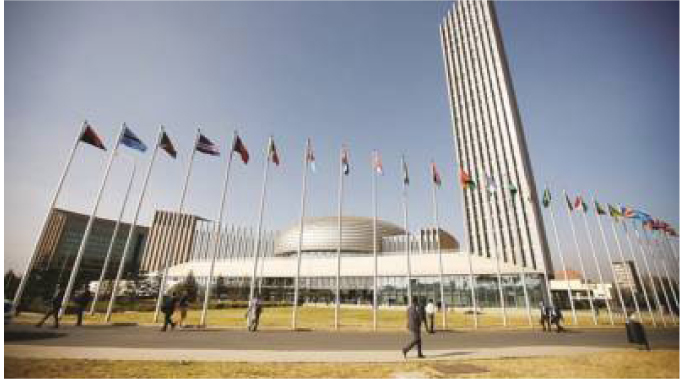
Hazel Chari, Correspondent
AFRICA Day commemorates the founding of the Organisation of African Unity (OAU) now known as the African Union (AU), on 25 May, 1963. It was formerly known as African Freedom Day and then African Liberation Day.
The origin of this day lies in the collective African resistance to colonialism and economic exploitation. The day is intended to highlight Africa’s continued collective struggle against adversity. It’s a day to reflect on the continent’s progress, unity and challenges while celebrating African heritage and culture.
Africa Day in Zimbabwe serves as a reminder of the country’s place within the African community and its commitment to promoting unity, cultural diversity and development across the continent.
Africa Day in Zimbabwe is mainly marked by a celebration of Africa’s indigenous food, its diversity, nutritional value and the wearing of our national attire. It is celebrated through various events such as cultural performances, music, exhibitions and discussions about the country’s role in the broader African context.
It is a time to showcase Zimbabwean culture, traditions and contributions to the continent’s development. It is a day to celebrate how far Africa has come against the odds and to recognise how much more needs to be done to ensure that all Africans can live healthy, happy lives.
Zimbabwean culture is rich and diverse mainly characterised by its music, dance, art, cuisine and traditional beliefs. Music and dance play a central role in Zimbabwean culture, with genres such as traditional mbira music, sungura and contemporary Afro pop being popular among Zimbabweans.
Traditional dances like the mbira dance, jerusarema mbede and isitshikitsha are performed on special occasions and festivals thus reflecting the country’s cultural heritage which we treasure the most.
As Zimbabwe is evolving, its culture is also evolving mainly influenced by globalisation, technology and interaction with other cultures as the country has been experiencing migration of its people to other countries.
Urbanisation and modernisation have led to the fusion of traditional and contemporary elements in Zimbabwean culture. A clear example is of incorporating traditional motifs and designs into contemporary fashion and art as evidenced by our lobola ceremonies nowadays.
In terms of pop culture, Zimbabwe has a vibrant scene that includes music, film, literature, fashion and sports. Zimbabwean musicians such as the late Oliver Mtukudzi, Thomas Mapfumo and Jah Prayzah have gained international recognition for their talent and contribution to African music.
In recent years, there has been a surge in the popularity of Zimbabwean literature with Tsitsi Dangarembga gaining acclaim for her work.
Zimbabwean filmmakers are also making strides in the industry, producing thought-provoking films that explore social issues and cultural themes.
The fashion scene in Zimbabwe is also burgeoning, with local designers showcasing their creativity on both local and international platforms.
Africa Day in Zimbabwe serves as a reminder of the country’s place within the African community and its commitment to promoting unity, cultural diversity and development across the continent.

Africa Day is deeply connected to the principles of Pan-Africanism and the liberation struggle on the continent. Pan-Africanism is a socio-political ideology that emphasises the unity, solidarity, and empowerment of people of African descent worldwide.
The day has emerged as a response to colonialism, racism and oppression which was faced by Africans in the hands of the oppressors and people of African descent around the world.
During the liberation struggle in Africa, Pan-Africanism played a crucial role in inspiring and supporting movements for independence and self-determination. Leaders such as Kwame Nkrumah, Julius Nyerere, Joshua Mqabuko Nyongolo Nkomo, Patrice Lumumba and Nelson Mandela advocated for Pan-African unity and solidarity among African nations.
They believed that a unified Africa could better confront the challenges of colonialism, racism and underdevelopment, which is something that we have to note even now as we fear the new scramble for Africa.
Zimbabwe has its own rich history of the liberation struggle, which culminated in the attainment of independence from British colonial rule in 1980. The struggle for independence was marked by sacrifices, perseverance and solidarity among Zimbabweans, as well as support from other African nations and the Pan-African community.
Africa Day serves as a reminder of the sacrifices made by those who fought for the liberation and the importance of preserving the values of Pan-Africanism. For us as Zimbabweans to be where we are now, is because of the efforts of all our fallen heroes who died for this our beloved Zimbabwe.
Africa Day in Zimbabwe, and across the continent, is a celebration of Pan-African solidarity, resilience, and the ongoing struggle for freedom, equality and development. It’s a time to reflect on the progress made since the days of the liberation struggle and to reaffirm the commitment to building a prosperous, united and peaceful Africa.
In schools, this day should be a great opportunity to do two things. First, especially for younger children, introduce Africa as a dynamic, diverse continent. Often the dominant perception of Africa has been one of poverty and backwardness.
This opportunity should reverse these stereotypes by finding photos and videos that showcase modern Africa. Show that Africa has a rich history of civilisations, phenomenal natural resources and innovators. One could choose to show some examples of inventors, activists or artists that come from Africa.
Secondly, students should know why African unity is important for Africans. This day should be about Africans, hence everyone should be taught about the history of Africa, in particular the history of slavery, colonialism and modern economic imperialism.
It should come to light that Africa was a diverse patchwork of people and communities that was subjected to external aggression from pillaging and occupation to the dominance of western corporations. African unity is a response to this external pressure, a collective desire to be free from it and to work towards a more equal international system together.
As we celebrate Africa Day tomorrow, it is important for every citizen to take a moment to remember where we came from and to think of where we are going.


 Online Reporter