Online Reporter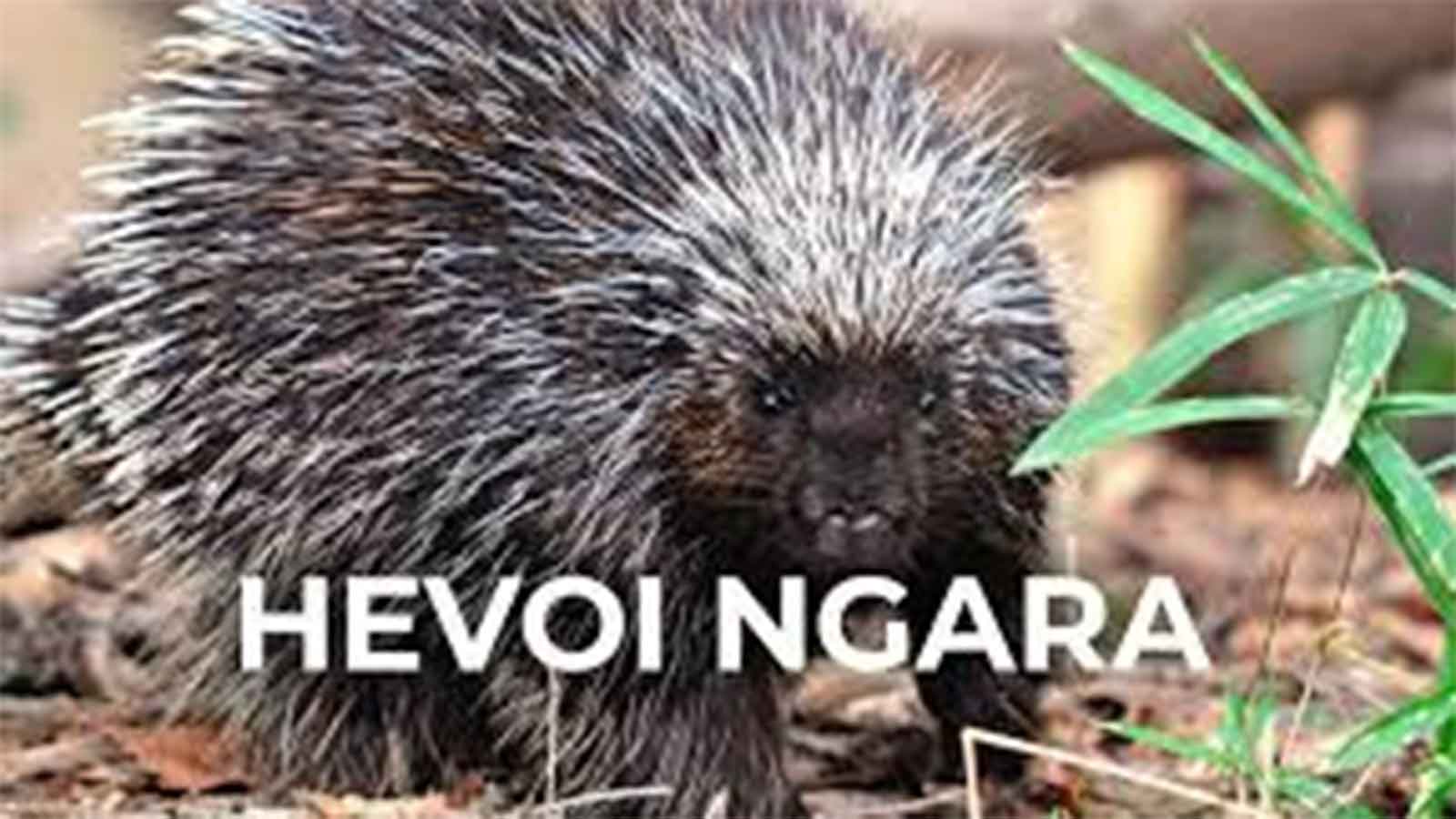
Fadzayi Maposah-Correspondent
I am of the Ngara totem. We are the WaMambo, vana Zimuto. Anyone who is a Nkala, Maposa, Maphosa, Hlatshwayo, Zimuto, Wamambo is of the same lineage as me.
Our totem animal is the porcupine. No Ngara marries another Ngara. This has been hammered from a very young age. I have seen other totems marry one another. Each time that happens, I remember being told as a young child, Ngara inongova imwe chete (there is only one Ngara)
Now with the internet, I went on to search about my totem. It told me what my grandmother and my father used to tell us growing up.
One thing it told me that I already knew was that we were believed to have originated from Swaziland, and then settled in Chivi before moving to Gokomere, Masvingo Province. The Ngara people are also popularly called WaMambo, that is what we called our father and he loved it.
The problem was saying WaMambo when he was among many people, and all of them would be charmed and be ready to find out who was being called.
It is believed that we came to be called WaMambo after our ancestral father, Zimuto married the king of Great Zimbabwe’s daughter, thus making him the king’s son in-law, mukwasha wamambo.
It is also believed that my ancestors loved meat with lots of gravy, and as a result they were named Zimuto.
My father would add that one cannot love something that they do not have, and so our ancestors were great livestock farmers and could easily live up to the name of always having relish with lots of gravy.
My father loved meat and he would refer to our totem as the reason. The Ngara totem identifies itself with hard-working and being organised.
According to my internet search, the Ngara men are hard-working, docile and intelligent while the women are said to be a bit shy, excellent at cooking and they make very good wives!
To support or dismiss what the Internet told me, I leave it to those who know any Ngara. Who am I to say that I make a very good wife and that I am excellent at cooking?
Allow me to indulge you a bit in my clan praises;
“Wamambo, Maita Nungu yangu yiyi, Maita Chipiri, mukwasha waMambo, Hekani Maposa, Chirashamihwa, Masvingo aGovere, Maita Chikandamina, Weshanu uri pauta, Maita vari Chirungurira, Manjekechera, vari Gokomere, Chizuza changu chichi.”
I have come to realise that all clan praises are simply that. They show off the clan and as you listen closely, you will be able to get the clan’s history.
Once a totem is said, one can quickly identify a relative, be it a father, brother, sister, aunt, uncle, grandmother, an in-law or even a mother. I have shared before that as we use our totems, no one is left without relations. One finds relatives everywhere they go.
Clan praises are used in different contexts. They are used at different settings —weddings, funerals, greetings or expressing gratitude. They also make one identify with their lineage.
Once a woman who was singing a welcome song at a church meeting opted to use totems, it did not end well as others felt excluded. She was quick to apologise and say that there was no way she could call out all the totems as they were just too many. That still did not go down well as everyone wanted to hear their totem being called out.
After the service, there were some people who got together and asked each other their totems and took turns to sing their clan praises, and they felt included.
Tomorrow, the National Culture month comes to an end. Think about it, how have you celebrated being Zimbabwean? The media was awash with individuals and organisations celebrating the culture in different ways.
I guess the celebrations should be on-going and not end simply because the month has come to an end. Our totems stand out as part of our culture and explain where we came from. Next time you recite your totem, understand that.
We should use our clan praises to share even family health history since they tell us where we came from. How many of us do that?
We tend to think that talking about the health conditions that have affected our families will draw them to us. Superstition maybe.
My father had good teeth and he would jokingly say it was because he was a Zimuto and needed the teeth for the meat in the gravy!
He never said anything about just drinking the gravy! That aside, but seriously why do we not talk about health conditions that have affected our families so that even we are conscious of what and how we should live?
Who like me has been to the doctor and was asked if a family member had a certain condition, only to say he will find out later?
As Culture Month comes to an end, let us normalise talking about our health so that we empower each other on how to live. Prevention is better than cure.
It is also important to understand that the jungles in which we live as the totem animals have changed and as a result they need to work out healthy ways to cope and live.
I think that while the Ngara were initially from Chivi, they are everywhere now even in the diaspora. The conditions are so different, even the health of people of the same totem is not the same.
So next time talk about how totem members should take care of their health. In my case as the Ngara, always getting the quills to stand out quickly when agitated may raise my blood pressure or result in poor mental health well-being!
Our culture is rich, and the totems are just an angle that we can use as a starting point for health discussions.
Our totems, our culture, safeguarding our health.