

 Online Reporter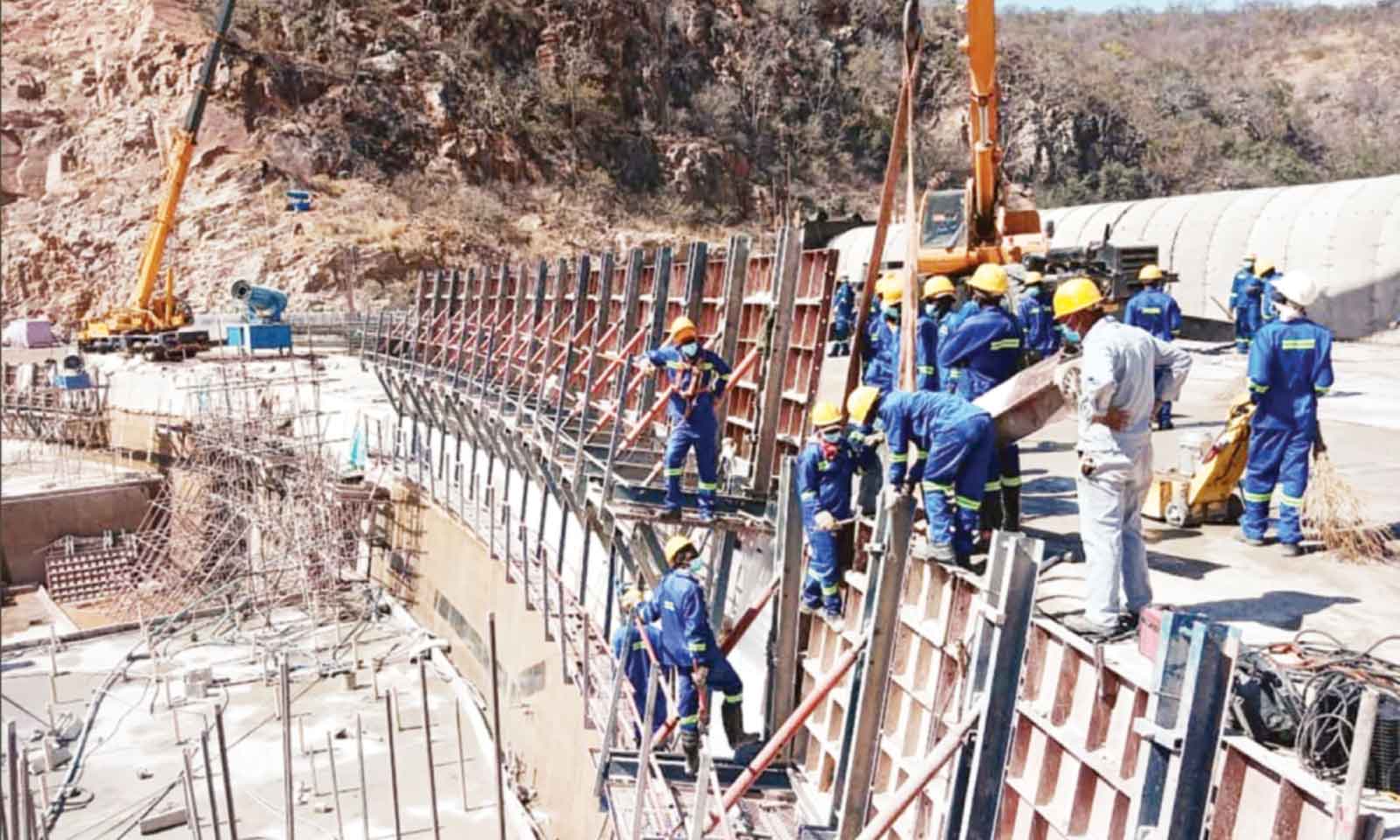
Martin Kadzere
Cement prices in Zimbabwe have increased by 42 percent over the past two months due to a combination of factors, including strong demand from the “unprecedented” boom in construction activity and constrained local and import supply.
Prices have surged to about US$17 from US$12 per 50kg bag, a survey by this publication shows.
The steep price hikes, equating to a US$5 increase per bag, are attributed to a combination of soaring demand, the exhaustion of import quotas by some traders and production challenges among local manufacturers, some industry players have said.
“Demand is very high and remains strong even if prices keep on rising,” a cement trader in Harare noted.
Historically, construction activity peaks between April and November, just ahead of the rainy season, but this year’s demand, driven by both home building and commercial construction, has been described as incomparable to previous cycles.
“This happens almost every year, but this time, it has been unprecedented,” said Mr Forum Gwatidzo, a hardware operator in Harare.
Ms Grace Murombedzi, who is constructing a house in Manresa, eastern Harare, expressed distress over the surge in cement prices. She began her project budgeting for cement at US$12 per bag.
The increases have made her original budget “unsustainable” and “shredded” her projections.
“I started this project two months ago, calculating my material costs based on a cement price of US$12 a bag,” said Ms Murombedzi.
“For the scale of a standard eight-room house, we need hundreds of bags by the time we are done. But this jump to US$17 has not just increased my budget; it has practically shredded it. I was working with a buffer, but a 42 percent hike on one of the main inputs is unsustainable.”
While Zimbabwe primarily imports cement from neighbouring Zambia, these inflows have dropped sharply as some major importers exhausted their allotted import quotas, effectively squeezing external supply just as domestic need accelerated. Domestically, the situation is precarious.
Despite Zimbabwe’s cement industry’s installed production capacity of about 2,6 million tonnes annually, output has been volatile as some major producers have been struggling with various operational setbacks, including power shortages and aging equipment.
Khayah Cement, in particular, has faced financial distress and production stoppages, further reducing local stock.
The market remains tight, putting pressure on large infrastructure projects and individual builders alike.
Relief, however, may be on the horizon as ongoing investments aim to boost capacity.
The new Huaxin cement plant in Chegutu, expected to kick in during the first quarter of next year, is projected to churn out an additional 800 000 tonnes per year of capacity once fully operational.
Minister of Industry and Commerce Mangaliso Ndlovu recently acknowledged the occasional shortages, but said the country was set to achieve self-sufficiency next year when the Chegutu plant comes online.
Minister Ndlovu mentioned planned investments, such as the cement manufacturing plant by Nigerian billionaire Aliko Dangote, who was recently in the country on an investment mission.
He believes the investment will help position the country as a major producer of cement in Africa.
In addition to major projects, new, relatively smaller cement plants have been developed in the Hwange area.
These facilities, while smaller compared to existing plants, will significantly help in easing the cement shortage, especially in the Matabeleland North region. Customers there are expected to benefit from lower prices due to reduced transportation costs.
The current hyperactivity in the construction sector is also reflected in the high demand for other essential infrastructure inputs. This includes materials like bricks, aggregate stones, sand, and timber.



