Online Reporter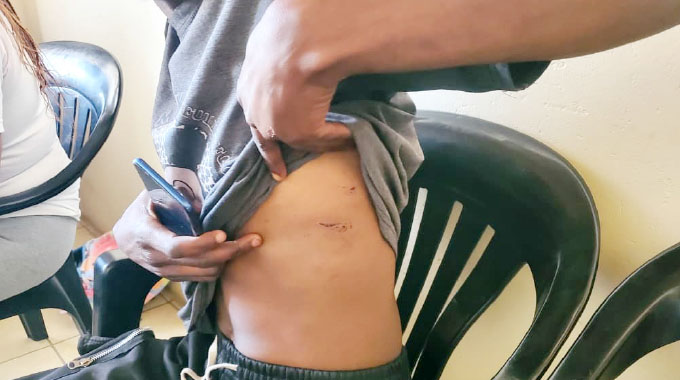
Theseus Shambare, Features Writer
BARELY a month after Owen Madondo’s camera lingered over a hospitalised accident victim, sparking national outrage, another vlogger has come under scrutiny.
This time, it is Manass Chibanda, the man behind the X-rated “Bishu Reality Show,” which airs on social media platforms such as Facebook.
While Madondo, popularly known as DJ Ollah 7, is a trained broadcaster, Chibanda is not.
Yet both have found themselves in the spotlight for reasons critics argue exploit vulnerable individuals. DJ Ollah 7 was widely condemned for interviewing a critically injured man from his hospital bed.
Chibanda, meanwhile, is facing backlash for allegedly offering small sums of money to young women and men, including sex workers, before broadcasting their faces, confessions and intimate stories online — all in pursuit of clicks and views.
Some of those featured claim they were misled, believing Chibanda represented a non-governmental organisation (NGO) aiming to document their experiences.
At first glance, it appeared to be an opportunity for marginalised voices to be heard. Two teenagers from Epworth — a young man and woman barely past 18 — sat before Chibanda’s camera, hoping their stories would shed light on life at the margins.
Instead, their faces went viral on Facebook, drawing ridicule and shame.
“I was promised my face would not appear. I thought this was about helping people understand. The next day, my neighbours were mocking me, and at home my parents called me a disgrace,” one said, her voice breaking.
Her friend confirmed they were each given US$20 as a form of “appreciation.”
“We thought it was an NGO programme meant to push for favourable policy that protects marginalised groups like us. Now people point at us in the streets. My uncle beat me after seeing the video,” she said.
When approached by this journalist, Chibanda was dismissive and showed a startling lack of empathy. Asked about the backlash and the welfare of his interviewees, he shrugged off concerns.
“Since they told me they were 18, whatever happens, is their baby to feed,” he said, his tone unapologetic.
Days later, Chibanda returned to social media, defiant. He wrote: “After posting his story on social media, it went viral and now he is accusing me of not agreeing with him.”
As this journalist spoke with the affected boys, one revealed the harsh consequences of Chibanda’s online exposure.
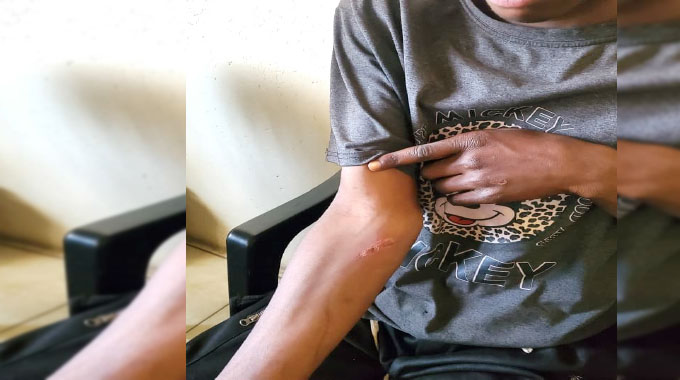
One was nursing fresh wounds — injuries inflicted by relatives who accused him of bringing shame to the family. After being beaten, he was chased from home and is now staying with a friend, unsure of when, or if, he can return.
A Zimpapers team followed Chibanda to Epworth Police Station, where the case was reported to the Victim Friendly Unit (VFU). Officers privately cautioned him.
“He was advised to make sure he understands his work before he executes it. What he did was reckless,” one official said.
“He confessed to not holding any journalism qualifications and he did not even make them sign any consent forms.”
Another officer added, “He is lucky — if they were below 18, we might be talking of another story right now.”
Despite publicly dismissing concerns, Chibanda’s unease betrayed a man aware he had crossed a line.
The rise of unregulated content creators in Zimbabwe extends beyond Chibanda.
DJ Sparks, founder and CEO of Tanaka Tawana Media, is another example.
A podcaster and host of multiple shows, Sparks uses explicit, uncensored language accessible to all, attracting large audiences while often sparking debate over the boundaries of acceptable content.
Like Chibanda, his platforms highlight how digital media personalities increasingly influence public discourse, sometimes prioritising shock value and engagement over ethics and responsibility.
Africa University senior lecturer, Dr Wellington Gadzikwa, a media scholar and analyst, warns that Chibanda’s behaviour reflects a broader issue.
“Bloggers, all these people are not trained journalists. What they are doing is capitalising on sensation. They just want to grab attention, create more likes and make money; they do not care about ethics.”
He added that strong regulation is needed.
“The Government must do something about it. These content creators are poisoning society, confusing the public, and creating things that are not good for people. Freedom must be exercised with restraint.”
Springs of Life Zimbabwe (SLZ), which advocates for marginalised communities including sex workers, condemned the exploitation.
“We are deeply disappointed by how bloggers are manipulating vulnerable people for clicks. This is not advocacy, it is abuse,” said Ms Precious Msindo, SLZ programmes director. “Exposing such identities can push young people into depression, even suicide.
There must be urgent regulation of these so-called content creators before they destroy more lives.”
The Cyber and Data Protection Act (2021) prohibits sharing personal information without consent, especially when it risks reputational or emotional harm. The Constitution itself enshrines the right to privacy.
Legal expert, Advocate Dorcas Chitiyo, notes: “Even if a person is 18, consent must be informed and deliberate. Publishing identities in such sensitive stories violates both the law and media ethics. The blogger’s conduct is a breach.”
Chibanda’s channel has a history of controversy. Videos involving marginalised groups have previously surfaced, often fuelling stigma rather than understanding. His actions echo a global pattern.
In the United States, the “DaddyOFive” family vloggers were investigated after posting abusive prank videos of their children, while wellness blogger Belle Gibson in Australia was fined and taken to court for fabricating a terminal illness to sell products.
Even YouTuber Logan Paul, faced lawsuits and platform sanctions after posting footage of a suicide victim in Japan.
These cases show that when clicks are prioritised over ethics and consent, courts and regulators often intervene — underscoring that Chibanda’s disregard for informed consent and privacy could carry serious legal consequences.
Traditional values of ubuntu — community respect, mutual care, and shared dignity — are being steadily eroded by sensational online content.
Headman Luke Gondo, who operates under Chief Nyandoro, lamented the rise of immorality linked to “improper online publications.”
“Young people no longer fear shame or respect the values we grew up with. Social media has made them careless.
These videos and posts are destroying the fabric of our community, promoting disobedience and dishonesty.
We are seeing our children punished at home, rejected by families and sometimes even lost to the streets,” he said.
Veteran media trainer Leonard Ndhlovu explained: “Proper journalism is about protecting people while telling the story.
You blur faces, you change names, you ensure the story serves public interest. What we are seeing on social media is exploitation dressed as reporting.”
Globally, the World Health Organisation warns that online exposure and cyberbullying increase suicide risk among youths by up to 23 percent.
Locally, the Ministry of Health and Child Care estimates that over 1 000 young people under 24 die by suicide each year, with online shaming as a contributing factor.
Voices of the victims
For the two young women in Epworth, the impact is already deeply felt.
“I just wanted to be heard,” one whispered. “Now, I wish I had kept quiet.”
Another young woman featured on Chibanda’s show recalled how she was approached.
“He promised quick cash and followers,” she said. “I did not fully understand what I was agreeing to. Later, I saw myself on his videos, saying things I did not want everyone to know.”
The bigger problem
Experts warn that the issue goes far beyond Chibanda. The incentive structure of social media platforms actively rewards sensationalism.
“Clicks, likes and shares are more valuable to these content creators than the dignity of those they feature,” Ms Msindo said.
For victims like the young men and women from Epworth, the damage is not just digital — it is personal, social and psychological.
Their stories serve as a chilling reminder that in the race for online attention, some bloggers trade human dignity for digital applause, leaving broken lives in their wake.
As debate intensifies, the question remains: in the pursuit of social media fame, who truly pays the price — the content creator, or the vulnerable souls caught in the spotlight? —TheseusShambare