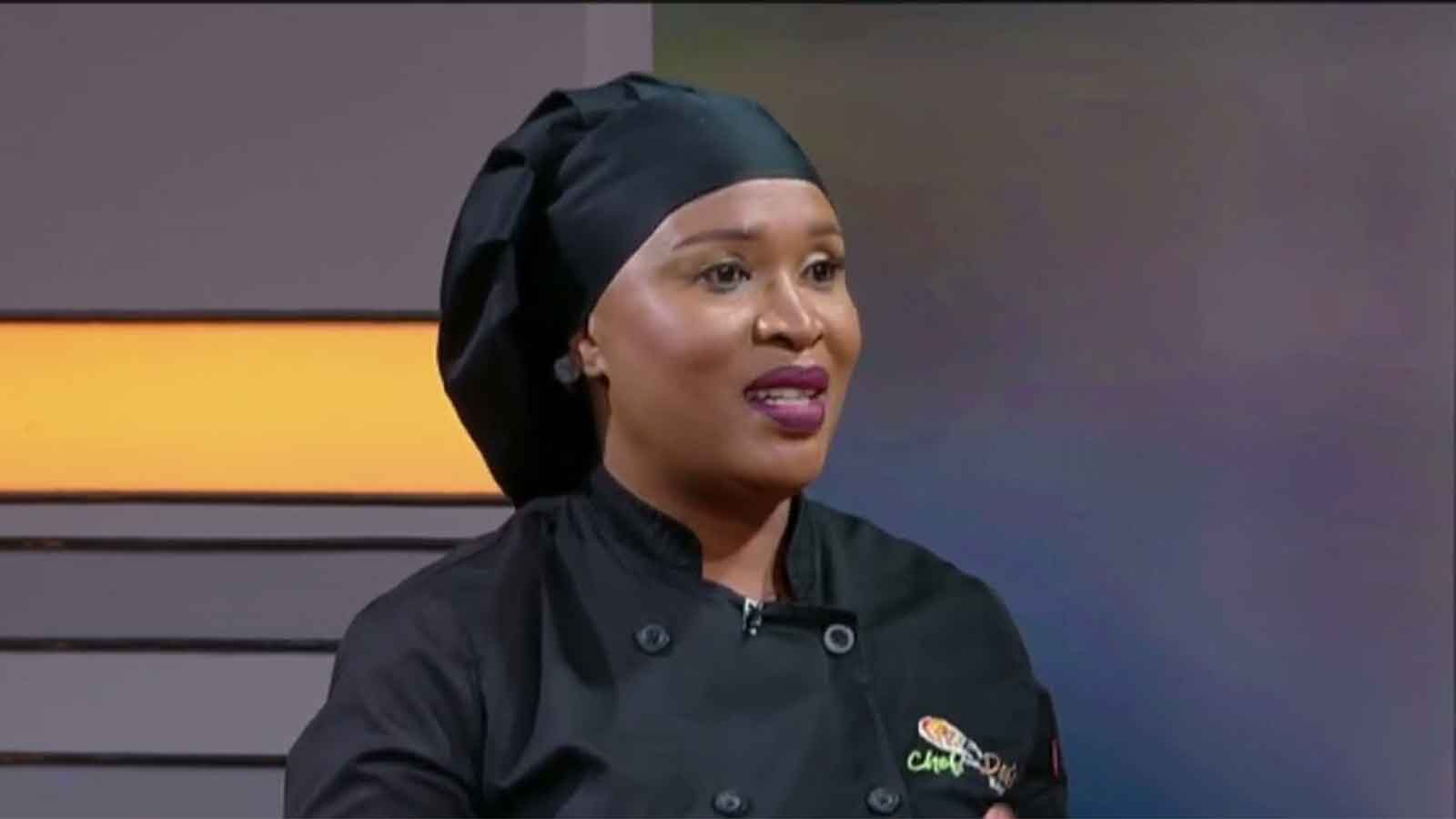
ZIMBABWE’S hospitality sector is set for a fresh injection of skills and ambition following the launch of DELICE Culinary Arts Academy, an initiative spearheaded by renowned pastry chef and mentor, Chef Diana, popularly known as Chef Dee.
The academy, which positions itself as a practical, skills-driven training hub, aims to bridge the gap between theoretical learning and real-world kitchen experience, particularly for young aspiring chefs.
Chef Dee is also part of She Means Business (SMB), a platform that empowers women entrepreneurs, a role which further reflects her commitment to mentorship and community-driven development beyond the kitchen.
Speaking at the launch, Chef Dee said the institution was born out of her own journey through the demanding culinary industry, where she experienced both the rewards and the challenges of working in professional kitchens.
“I’ve worked in big hotels, and it’s very tiring. Imagine making 300 croissants every day it’s not easy,” she said.
“I realised along the way that something needed to change, not just for me, but for others coming into the industry.”
Her transition from hotel kitchens to lecturing and eventually entrepreneurship was deeply personal, influenced by her desire to balance career and family life.
“My pastor once told me, ‘your kids are too young, you’re not always around.’ That really made me reflect,” she said.
“I needed a transition something that would give me time but also allow me to grow.”
That turning point led her into teaching pastry and food safety, but even then, she identified structural gaps in culinary education.
“I became a lecturer, and while I had time, there was no progression,” she explained.
“I already had degrees and a diploma, but I was being told to start afresh again. That didn’t make sense to me.”
It is this lack of clear career pathways that inspired the creation of DELIS Culinary Arts Academy, which now offers structured programmes in baking, patisserie, and culinary arts.
According to Chef Dee, the academy focuses heavily on hands-on training to ensure students are industry-ready.
“While theoretical knowledge is important, DELIS emphasises experiential learning students must actively engage in food preparation, recipe development, and kitchen operations,” she said.
“We want graduates who are not just knowledgeable, but job-ready.”
The academy caters to a diverse market, including school learners, post-school students, and professionals seeking to upskill.
A junior chef programme is already underway, with plans to showcase young talent on television.
“We have a junior chef programme running, and soon the kids will be featured on 3K TV,” she said.
“We want to nurture passion from a young age and give them a clear pathway.”
Chef Dee’s vision extends beyond simply producing chefs she wants to cultivate global competitors capable of excelling on international platforms.
“We don’t just want people going on cruise ships as chefs. We want them to become executive chefs, to take up leadership roles,” she said.
“We want Michelin-level professionals coming out of Zimbabwe.”
A major milestone for the academy is its accreditation with the London Chamber of Commerce and Industry (LCCI), which allows students to access international academic progression opportunities. “With LCCI, our students can go straight into second-year university programmes internationally,” she said.
“This enhances credibility and gives them global competitiveness.”
Chef Dee noted that affordability and accessibility were key considerations in establishing the academy, as many aspiring chefs are unable to attend traditional culinary schools due to cost and time constraints.
“Culinary school is expensive, and many people in the industry work long hours, so they don’t have time for formal training,” she said.
“We wanted to create a system that accommodates them.”
Beyond technical skills, DELIS also integrates soft skills such as teamwork, communication, and customer service into its curriculum.
“Cooking is not just about food it’s about discipline, creativity, and transforming simple ingredients into something extraordinary,” she said.
Reflecting on her own entrepreneurial journey, Chef Dee emphasised the importance of investing in skills rather than shortcuts.
“One thing I learned is that when you want to start a business, invest in skill,” she said.
“Our challenge is that we don’t invest enough in learning. But skill is what sets you apart.”
The academy has already begun forging partnerships with schools, including Irene Christian School, to integrate culinary training into formal education systems.
“We are signing MOUs with schools so that students can graduate with both academic and practical qualifications,” she said. “It gives them a head start.”
As DELIS Culinary Arts Academy takes its first steps, Chef Dee is calling for collaboration across the industry to build a stronger, more competitive culinary sector in Zimbabwe.
“This is still a new baby, but if we work together, we can go far,” she said. “Let’s show the world that Zimbabwe can produce the next generation of world-class chefs.”
CHEF DEE LAUNCHES DELICE CULINARY ARTS ACADEMY