Online Reporter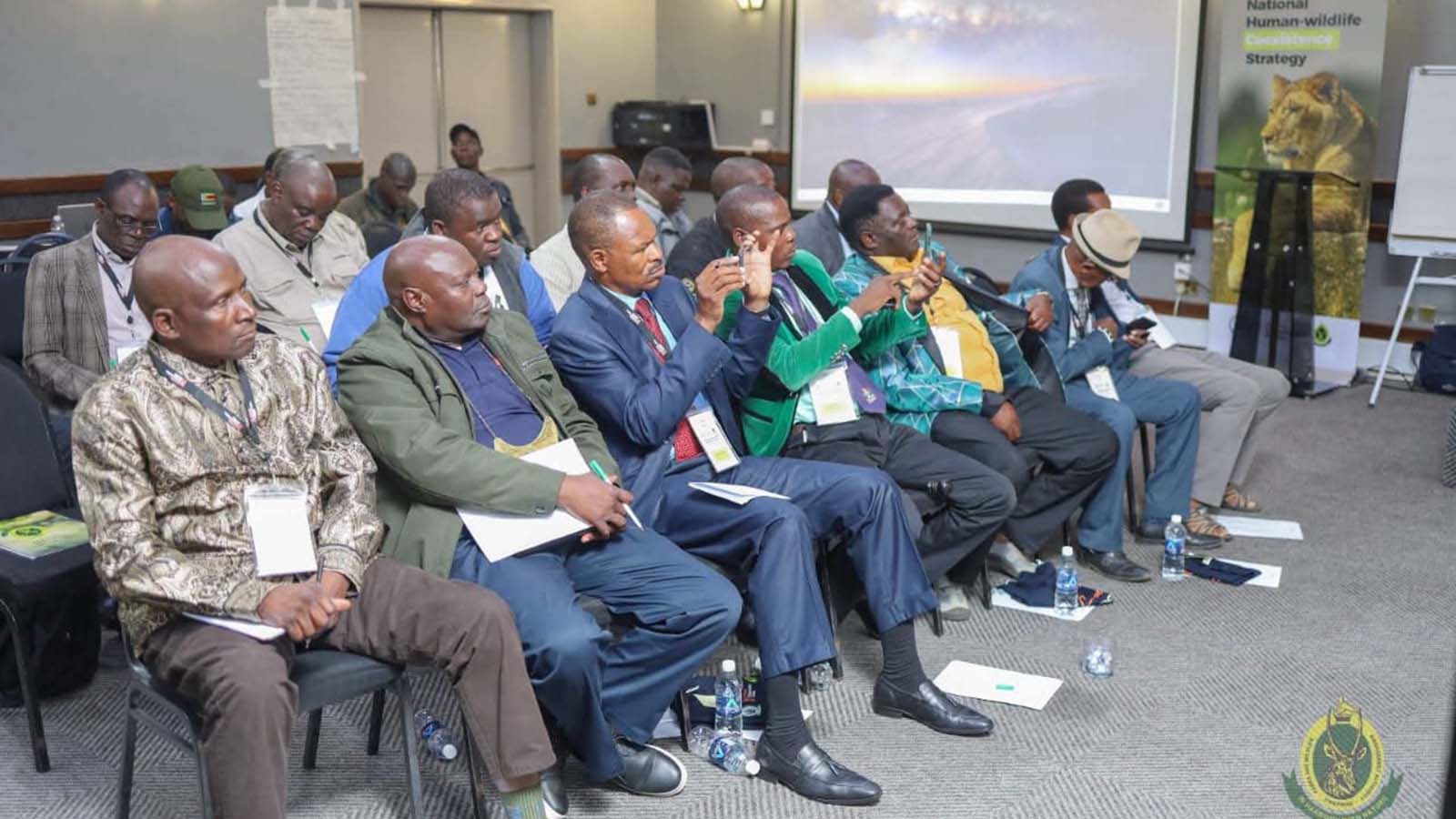
Ivan Zhakata
Herald Correspondent
TRADITIONAL leaders from wildlife-infested districts have thrown their weight behind the proposed National Human-Wildlife Coexistence Strategy and said it will help reduce increasing cases of attacks on people, livestock and crops while ensuring communities continue to benefit from wildlife resources.
The chiefs made the remarks on the sidelines of the three-day National Human-Wildlife Coexistence Strategy workshop underway in Harare, where Government, through the Zimbabwe Parks and Wildlife Management Authority (ZimParks), is working with stakeholders to develop a national framework to address human-wildlife conflict.
Chief Musambakaruma of Nyaminyami in Kariba, Mr Muchaneta Chacharika, said communities living near wildlife have for years endured losses caused by dangerous animals, making the strategy timely.
“We are very happy with this workshop, which is trying to come up with solutions to address human-wildlife conflicts hosted by Government through ZimParks and other stakeholders,” he said.
“As chiefs, we live in areas where there are both people and wild animals, so we face many challenges. Lions and elephants kill people, destroy our crops and attack our livestock.”
Despite the challenges, Chief Musambakaruma said wildlife remained a key driver of rural development through tourism and safari hunting.
“These animals also bring development to our communities and the country because tourists come to see them while safari hunting generates revenue that benefits our communities,” he said.
“The money is used to build schools, clinics and undertake other developmental projects. Having a coexistence strategy is therefore a plus and commendable to us as traditional leaders.”
Chief Chisunga of the Chisunga-Angwa community in Mbire, Mr Gifted Nhamoyemari, also welcomed the initiative and said communities in his area continued to bear the brunt of human-wildlife conflict.
“This Human-Wildlife Conflict Coexistence Strategy is welcome, especially if we can come up with strategies that address the challenges we are facing in our communities,” he said.
“Our livestock is being killed by wild animals while our fields are being destroyed. If we can reduce these challenges, we will significantly reduce cases of human-wildlife conflict.”
Chief Chisunga said elephants, buffaloes, crocodiles and hippos continued to pose a serious threat to communities in Mbire.
“The challenges affecting us in Mbire include people being killed by elephants and buffaloes. Others are killed by crocodiles and hippos while crossing rivers or washing clothes on river banks,” he said.
Chief Chisunga said relocating settlements situated in high-risk wildlife areas would help minimise conflict between people and animals.
“It is a good strategy for people living in areas with many wild animals to be relocated to safer places. This reduces conflicts and allows animals to move freely without encountering people,” he said.
Chief Chisunga said communities also continued to benefit from wildlife through the Communal Areas Management Programme for Indigenous Resources (CAMPFIRE) and safari hunting, with proceeds financing community development projects.
According to ZimParks, Zimbabwe recorded 12 374 human-wildlife conflict incidents between 2016 and 2025, resulting in 486 deaths, 554 injuries and the loss of 4 025 livestock.
Crocodiles accounted for the highest number of fatalities at 173, followed by elephants with 114 deaths.
The statistics further show that crocodiles caused 155 injuries during the period, while buffaloes injured 73 people and elephants 55.
The National Human-Wildlife Coexistence Strategy is expected to provide a coordinated framework to reduce human-wildlife conflict, improve community safety and strengthen conservation efforts while ensuring communities continue to derive socio-economic benefits from the country’s wildlife resources.



 Bongani Ndlovu