Chronicle Editor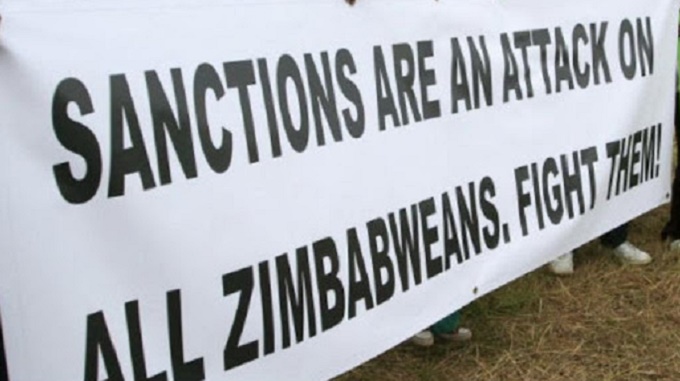
Flora Fadzai Sibanda, Chronicle Reporter
SANCTIONS imposed on Zimbabwe by the West have affected the livelihoods of people living in rural areas, chiefs said yesterday.
According to the 2022 national housing and population census, 61,4 percent of the local population lives in rural areas.
In interviews with Chronicle, chiefs said sanctions have resulted in untold suffering in rural areas.
The country has been under sanctions since the turn of the millennium after it embarked on the land reform programme.
African leaders, in solidarity with Zimbabwe, have however, joined hands in lobbying for the unconditional removal of the punitive measures saying these are also hurting the entire region.
Chief Nyangazonke from Matopo District said sanctions do not affect urban dwellers only, but also have a great impact on the livelihoods of people in rural areas.
Chief Nyangazonke said most people in rural areas depend on farming; they have livestock but exports were affected by sanctions.
“These sanctions are killing potential business and creating an environment that is poverty stricken. We all know a poverty area is characterised by high crime rates,” he said.
He said some rural dwellers’ breadwinners also lost their jobs.
Chief Nyangazonke also said sanctions have resulted in high rates of crime in rural areas.
“When industries were closed in urban areas people lost their jobs. These people who lost their jobs were breadwinners in their families. Not only did they starve alone but their families also starved,” he said.
The chief said this caused an increase in illegal activities and teenage pregnancies in most rural areas.
“That is why there is an increase in criminal activities like theft and illegal miners who are damaging the environment and being a menace to villagers. It is because there are no jobs and people are hungry. If the sanctions were to be removed a lot of industries might be opened and people might get jobs and make an honest living,” he said.
“A lot of young girls are victims of teenage pregnancies because they live alone since their parents had to leave for greener pastures in the diaspora. They have no one to guide them and they end up getting up to no good with these boys in their local areas. Some of these girls engage in sexual activities as favours so they can get food and money for basic commodities.”
Chief Mtshane from Bubi District said sanctions have affected service delivery in rural areas.
He said the punitive measures were making it hard even for potential investors to come into his area as no one wants to work closely with a sanctioned country.
“The infrastructure in most rural areas is not good, especially if one looks at the roads. As a country we are having economic challenges because of these same sanctions. That means we cannot fix all of this alone. We need help and getting that help is close to impossible as a lot of countries prefer to distance themselves from us,” he said.
The chief said with no supporting industry, rural livelihoods have been affected.
“Most of the people from rural areas make money from doing their work using their own hands. If there are no industries to support their talents then it means we have no future in terms of economics as a country,” added Chief Mtshane.–@flora_sibanda



 Online Reporter