Chronicle Editor
Fredrick Qaphelani Mabikwa
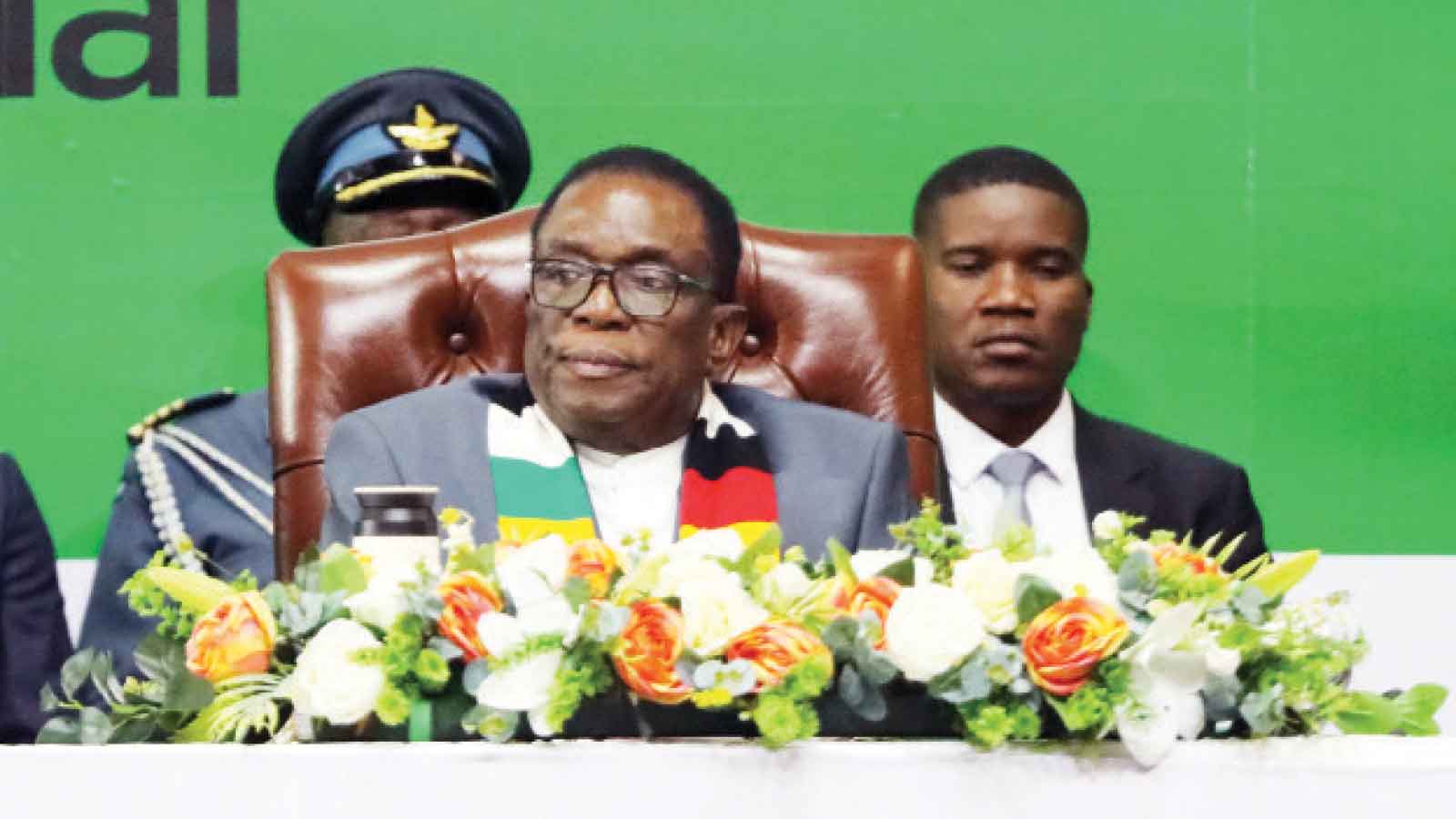
THE headline of Saturday Chronicle, January 13, 2024, caught my attention: “Sex Offenders cornered.” It announced a bold move by President Mnangagwa, who used his presidential powers to amend the Criminal Law (Codification and Reform) Act.
The new law will crack down on paedophiles, who will face up to 10 years in prison for having sex with anyone under 18, or for trafficking them to foreign countries for sex work.
This came after months of heated debate in the country, as cases of sexual abuse and teenage pregnancies have risen alarmingly.
The Presidential Powers (Temporary Measures), Criminal Laws (Protection of Children and Young Persons), Regulations, 2024, raises the age of consent from 16 to 18.
This aligns with the constitution, which defines a child as anyone below the age of 18.
The previous law had a loophole, which defined a young person as anyone below 16, leaving children between 16 and 18 vulnerable to sexual exploitation.
But what does “child protection” really mean? It means keeping children safe from all kinds of harm and discomfort.
It means stopping those who abuse their power and authority over children, especially irresponsible adults.
It means exposing and punishing paedophiles, who are sexually attracted to children.
It means recognising that children cannot consent to sex, as the new law states and that any sexual intercourse with them is a crime.

It also means protecting children from violence and physical abuse, which can come from their own parents and guardians.
We have heard of horrific stories of parents who beat their children to death, supposedly as a form of discipline.
Chronicle of January 2, 2024 carried a story of a father in Mutasa, Honde Valley, who killed his daughter for having an affair with a neighbour.
The Herald of January 30, 2024 reported on a father in Mvurwi, who killed his daughter for soiling herself.
These are just two examples of the many cases of violence and physical abuse on children.
What is even more disturbing is that most of the victims are girls. This suggests that there are some cultural and traditional factors that make girls more prone to these beatings than boys.
But child protection also means caring for the emotional well-being of children.
It means helping them cope with the trauma of witnessing their parents fight in gender-based and domestic violence.
It means supporting them through the pain of losing their loved ones, especially parents and siblings. It means respecting their right to grieve and not hiding the truth from them or sending them away when there is a death in the family.
In the conservative Zimbabwean home, children are often excluded from the burial processes of their beloved and are told stories that the departed has gone overseas or to the hospital.
With modern technology and cultures, children eventually find out the truth and start grieving, which is emotional abuse.
The days of denying children the chance to mourn are slowly fading away, as modern thinking encourages children of a knowing age to be involved in the burial processes of their beloved.
Children need to grieve like adults. Some child care non-governmental organisations have special psychosocial support programmes to assist orphans and other vulnerable children handle grief.
Children also need to be protected from other evils, such as child marriages. Some churches marry off children in secret. Last year we read a sad story of a child who died in labour.
The law is now very clear that a child below 18 cannot be married.
Children also need to be protected from child labour, a very common practice in places like farms and home-based industries.
In war situations, children suffer more from all sorts of ills, including starvation.
Children are also affected by natural disasters, such as floods, earthquakes and wild-fires. Children need protection from diseases, too.
This challenge requires the co-operation of governments and communities, to prevent and manage child specific diseases.
We have children with disabilities, who are more prone to all sorts of abuse than their counterparts.
Research has shown that over 80% of care-givers turn to traditional healers for help for their children with disabilities, showing a clear lack of adequate knowledge and information on disability.
Children need protection from all kinds of harm and discomfort, not only from adults, but also from other children.
For example, they need protection from bullying, which has become a serious problem in schools.
Last year, a tragic case of a high school student in one of our Bulawayo local high schools who took his own life because of bullying at school shocked the nation.
Children also need protection from abusive and unprofessional teaching methods, which expose them to various forms of abuse under the pretext of teaching and learning.
Sadly, some of the abusers of children in school are the teachers themselves, who are supposed to be the guardians of the learners.
I was appalled by some of the statistics I read in a Unicef report on child protection. According to the report, globally, one in three women (aged 20-24) married before age 18, one in three girls experienced sexual violence before their 18th birthday, 35% of children (5-17) are in child labour and 13% of these children are working under hazardous conditions, and more than half of the children are not registered at birth.
Zimbabwe needs to do more to provide child protection services, especially in rural and semi-rural areas.
Despite some progress in setting up a National Case-Management System (NCMS), the child protection sector still faces many challenges, such as lack of social service workers, low investment in child-friendly justice and social welfare systems and slow implementation of policies and legislation on child protection.
Zimbabwe has ratified the Convention on the Rights of the Child, but it has not fully implemented the necessary child protection legislation and policies, which require urgent attention.
The Unicef report also highlighted the need for more legislative frameworks on child protection, covering issues such as GBV, child marriage, access to sexual and reproductive health, civil registration, mental health, psychosocial support and access to justice.
There also needs to be a change in the societal attitudes, traditions and cultures that tolerate and perpetuate harmful practices on children.


 Online Reporter