Online Reporter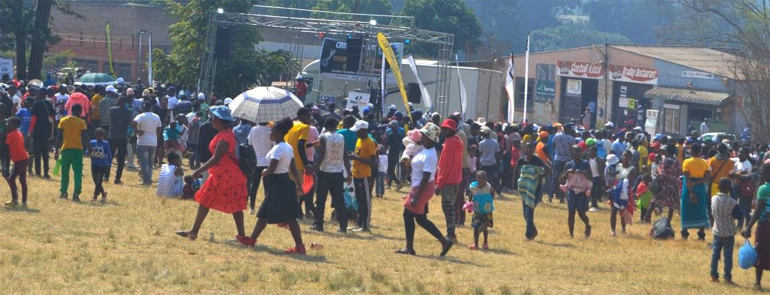
Liberty Dube
Entertainment Correspondent
THERE was a time when every August, the sleepy mountain town of Chimanimani would burst into life as drums echoed through the valleys, guitars cried into the night and poetry, theatre and dance transformed the scenic tourist destination into a cultural paradise.
For many arts lovers in Manicaland and beyond, the now defunct Chimanimani Arts Festival remains one of the greatest cultural celebrations Zimbabwe has ever witnessed.
Those were indeed the good old days.
Established in 1998, the annual three-day festival became more than just an entertainment event. It was a movement that united communities, empowered young artistes, and showcased Zimbabwe’s rich cultural identity against the breath-taking backdrop of the Eastern Highlands.
The festival was free for all, which was a rare and beautiful gift that allowed villagers, tourists, established artistes and upcoming creatives to mingle as one family. Young musicians would share the same stage with music giants, something that inspired countless careers.
The late music superstar and national hero, Oliver ‘Tuku’ Mtukudzi was among the biggest names to grace the festival over the years. His performances became unforgettable moments for festival-goers, with many still reminiscing about the magical atmosphere he created in the mountains of Chimanimani.
Other notable artistes who performed at the festival include Sulumani Chimbetu, Alick Macheso, Ammara Brown, Blessing Shumba, Sniper Storm, Tariro neGitare and many others from across the country and the region.
The festival was not only about music.
Theatre productions, poetry, comedy, film screenings, visual arts exhibitions and children’s workshops all combined to make the event a complete cultural experience.
Traditional ceremonies led by Chief Ngorima and his entourage added a unique cultural touch that connected modern entertainment with Zimbabwe’s heritage.
The last edition in 2014, held under the theme: “Together We Can,” was a powerful reminder of what arts can do for communities.
Workshops on script writing, filming and theatre were conducted, helping nurture future creatives.
Traditional groups such as Vibe Culture, Mazwi Mbira Crew and Batanai Unite Marimba Ensemble lit up the festival grounds with energetic performances.
Comedy icon, Sabhuku Vharazipi also brought laughter to the crowds, while theatre productions and films kept audiences glued to the stage late into the night.
Beyond entertainment, the festival boosted tourism and small businesses in Chimanimani.
Local vendors sold crafts and food, lodges filled up with visitors and transport operators enjoyed brisk business.
Most importantly, the festival created networks and friendships among artistes from different provinces and countries.
Sadly, 2014 became the final chapter of the beloved festival, leaving behind memories that many still treasure today. Its disappearance, alongside the now silent Nyanga Arts Festival, has left a huge gap in Zimbabwe’s cultural calendar.
Arts stakeholders believe festivals of this nature deserve revival because of the immense opportunities they created for communities and young talent.
Taurai Moyo of Chenhaka Trust, said the festival played a critical role in preserving culture and grooming young artistes.
“The Chimanimani Arts Festival was more than just entertainment. It was a cultural classroom and a networking platform for artistes. Many young creatives gained confidence after sharing stages with legends like Oliver Mtukudzi. Such festivals also promoted domestic tourism and strengthened community identity. We need corporate sponsors, Government and arts organisations to come together and revive these festivals because they preserved our heritage while creating opportunities for young people in remote areas. The arts industry in Manicaland greatly benefited from such initiatives and their return would help revive community arts participation,” he said.
Arts consultant, Tichafara Vhiriri, said Zimbabwe’s arts sector lost an important development platform when the festival disappeared.
“Festivals like Chimanimani Arts Festival created an ecosystem for the creative economy. Hotels, transport operators, vendors and local artistes all benefited. It was also one of the few festivals where upcoming artistes could directly interact with established performers and international guests. The mountain setting itself gave the festival a unique identity that attracted people from different places. Reviving such festivals would not only restore cultural pride but also stimulate local economies and inspire a new generation of creatives. The memories people still carry today show how impactful the festival was,” he said.
Ends