23 November 1977
On this morning 49 years ago, thousands of young Zimbabweans woke up in Chimoio, Mozambique. It was not just a camp. It was a home in exile — with a school, a hospital, a kitchen, and 13 camps named Chaminuka, Chitepo, Nehanda, Takawira, Parirenyatwa.
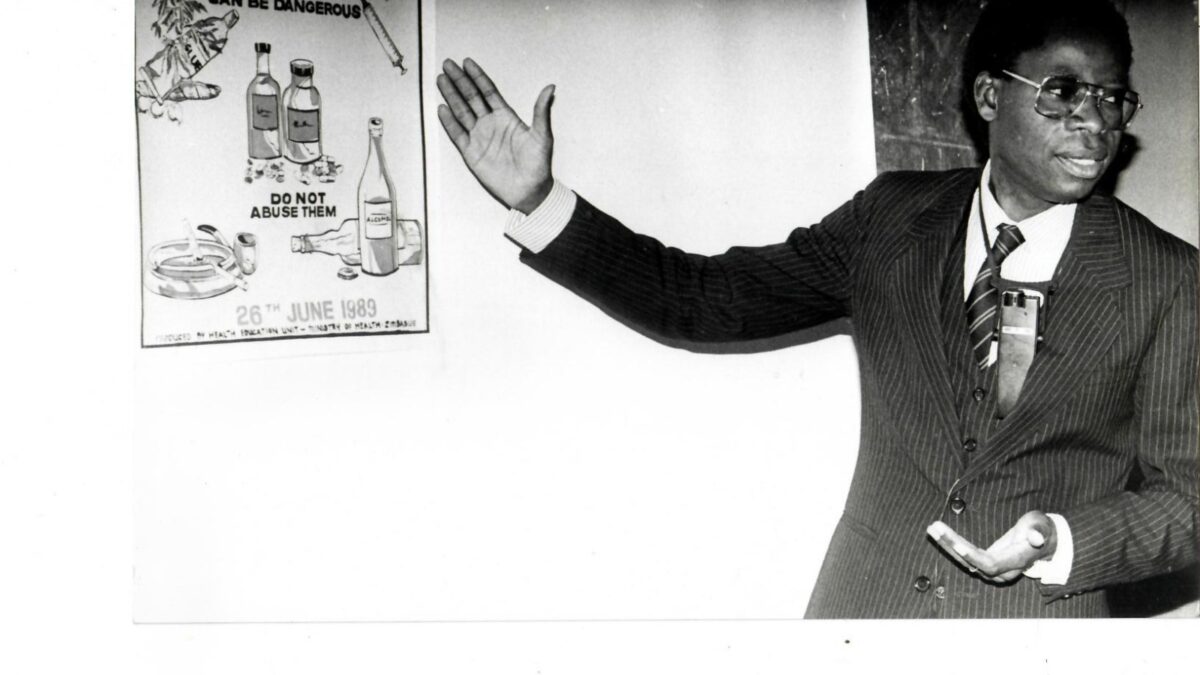
Dr Felix Muchemwa, who survived, wrote that there were 8,222 comrades at Chimoio HQ — and only 1,000 were trained soldiers.
The rest were unarmed. Recruits. Women. Children. Nurses. Teachers. The sick.
That is why we call it a massacre, not a battle.
At 7:45am, a civilian DC-8 flew over as usual. The people did not hide. Ten minutes later, the Rhodesian Air Force came — Canberras, Hunters, Vampires — in Operation Dingo.
They dropped 1,200 cluster bombs on the parade ground. Then helicopters strafed the bush, the clinic, the school. Then 184 SAS and RLI paratroopers dropped in.
For 48 hours, Chimoio burned. Then they went to Tembue and did it again.
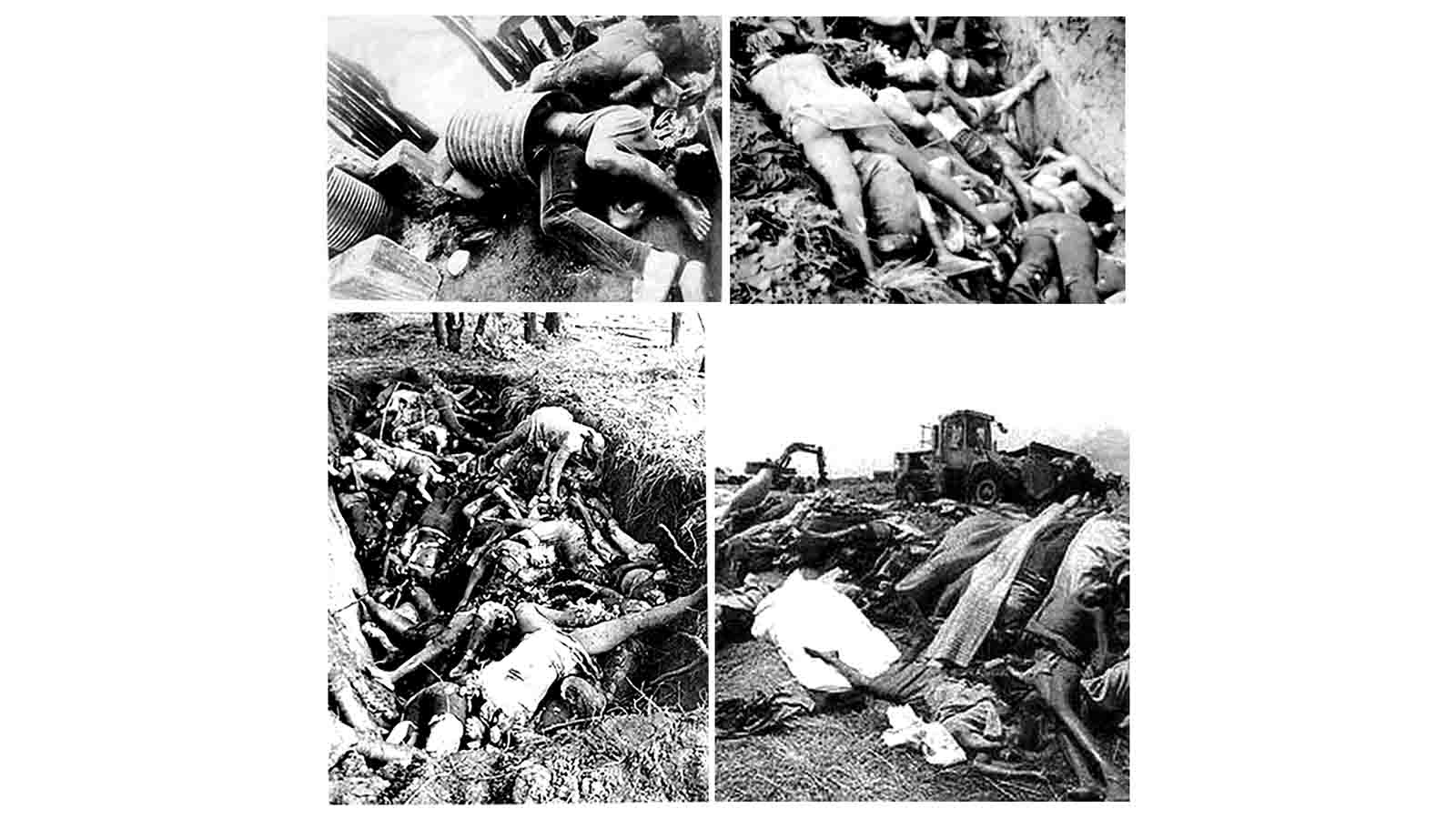
How many died? We will never know the exact number. Rhodesia said 1,200 to 3,000. Zimbabwe says 3,000 to 6,000. Most historians say over 1,000, including hundreds of civilians.
They bombed Chimoio to kill the future of the struggle — to kill children before they became fighters, nurses before they could heal, teachers before they could teach.
It failed. After Chimoio, thousands more crossed the border. They were no longer afraid. Within two years, Zimbabwe was free.
We remember Chimoio not for revenge, but because freedom was not given. It was paid for.
Paid for by the 16-year-old girl who died on parade, by the nurse who stayed with her patients, by the mother who lost her child in a foreign land.