Online Reporter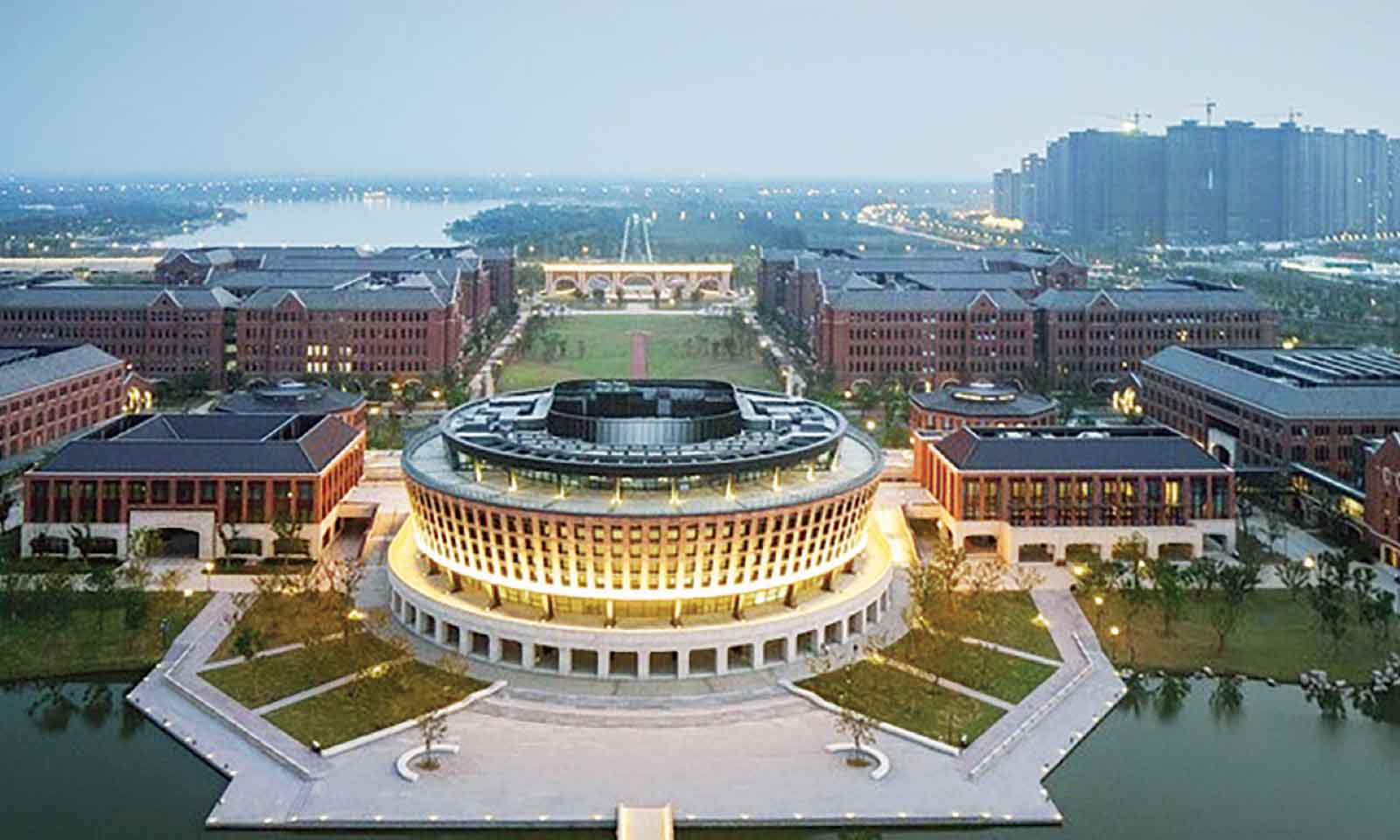
Gibson Nyikadzino
Zimpapers Politics Hub
FOR years, Denmark and other NATO members spent their entire years of belonging to the alliance under the impression they were being protected from the “impending Russia attack and China threat”.
This proved a fallacy when the US signalled intentions to annex Greenland from Denmark.
At the same time, a weak and de-industrialised European union (EU) which is slowly being abandoned by its traditional ally, the US, is now contemplating re-engaging with Russia, which according to Germany, is “a European country”.
In Western Asia, Iran’s neighbours and Gulf States, that for years have been appendages or instruments of United States imperialism, are now warming up to Iran and resisting US attempts to use their countries to be used as military launchpads against the Persian power.
These are new global realities that are being witnessed in a foggy world.
Things are changing fast, alliances and allegiances are being broken quickly while new bonds of friendship are being forged.
The newly germinating economic, political and social structures that have a potential to replace or run parallel the existing structures are threatening to create a new order. Even Canada, a former fierce critic of China, last week had its Prime Minister Mark Carney visit China and negotiate trade tariffs downwards. The same Canada also outlined to the US preconditions to join President Donald Trump’s “Board of Peace” to oversee next steps in Gaza, querying what the $1 billion permanent membership fee is for.
At the centre of this complex interplay of factors, the global political structure has shifted power dynamics that have ushered the decline of Western hegemony. Divisions within the western NATO alliance over the desire to re-impose imperial dominance by the US in the world have given rise to more alternatives, with China being the pivot of this rise.
China setting mega trends
China has shaken the collective West not only once, but many times. Based on key indicators of innovation and advanced-industry performance, China has surpassed the United States in total innovation output and is not slowing down this progression.
In 2010, China’s innovation and advanced-industry capabilities were approximately 58 percent of US capabilities on a proportional basis accounting for size of its economy and population; and 78 percent of US output in absolute terms. By 2020, China’s innovation and advanced-industry capabilities increased to roughly 75 percent of US capabilities on a proportional basis and 139 percent in absolute terms.
On the other hand, its exports are booming like never before. With a US$1,2 trillion surplus, it has left the world astounded over this humongous stride. Last August China cemented its position as a key player in global commerce and transactions, trading with 157 different countries and regions worldwide.
Among its partners, China dropped tariffs it charges on imports from all 53 African countries with which it has diplomatic relations with. China is setting mega trends without even firing a bullet, colonising any territory or not showing imperial ambitions.
China leads academic research
One of the top universities in the US, Harvard University, recently fell to third place in a global research ranking. It was displaced from the top spot by China’s Zhejiang University. For years, Harvard University, Stanford University and the Massachusetts Institute of Technology (MIT) defined global research lists as they were ranked the best, thus attracted brighter minds.
A major factor to this drop has been the drop in arrivals of international students in the US, strict visa restrictions, xenophobia and nationalist political sentiment that has bred racism. Students are looking elsewhere for research and academic opportunities, to which China is welcoming them by introducing some incentives. These strides by China are not determined or defined by who teaches better or who has a better campus life; it is about who publishes more research and whose work gets more referenced around the world.
China is not only being referenced as a model for good academic research, but it is leading in new models of development, new democratic frames, new innovations and a new and positive attitude as a global leader.
China is sending clear signals; playing in the top or elite league and being top tier is no longer a closed club. Research leadership is becoming more global and the next decade may depend on who can keep funding stable innovation, attract talent and build for the long run. As it stands, China is shaping a lot in research, technology and innovation.
US, China destined for war?
With China having shown that one nation can lead the world and be embraced as an alternative without using force and war, it is important to abandon the heresy of a war between the two leading states. The inevitable truth is that peace should prevail and is the only alternative to a great world that is anchored on mutual cooperation of states as equal entities.
For feedback: [email protected]