Online Reporter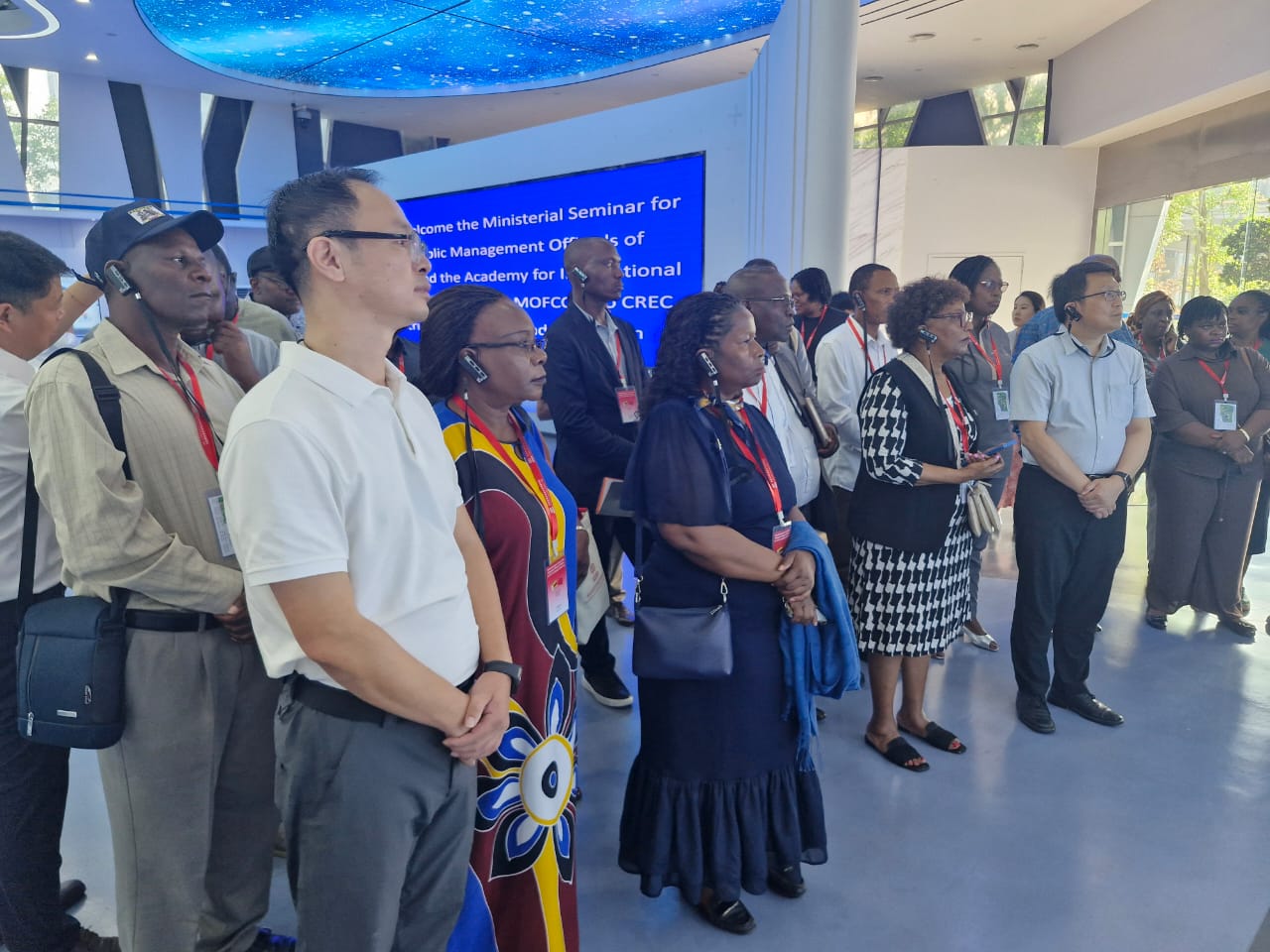
Vusumuzi Dube in Beijing, China
THE longstanding relationship between Zimbabwe and China has evolved from diplomatic engagement into a broad economic partnership, with trade and investment now driving cooperation across key sectors of the Zimbabwean economy.
Chinese Minister Counsellor (Retired) Mr Han Bing said Zimbabwe had become “an important destination for Chinese investment in Africa” as the two countries deepen cooperation in mining, energy, agriculture, manufacturing, infrastructure and other areas.
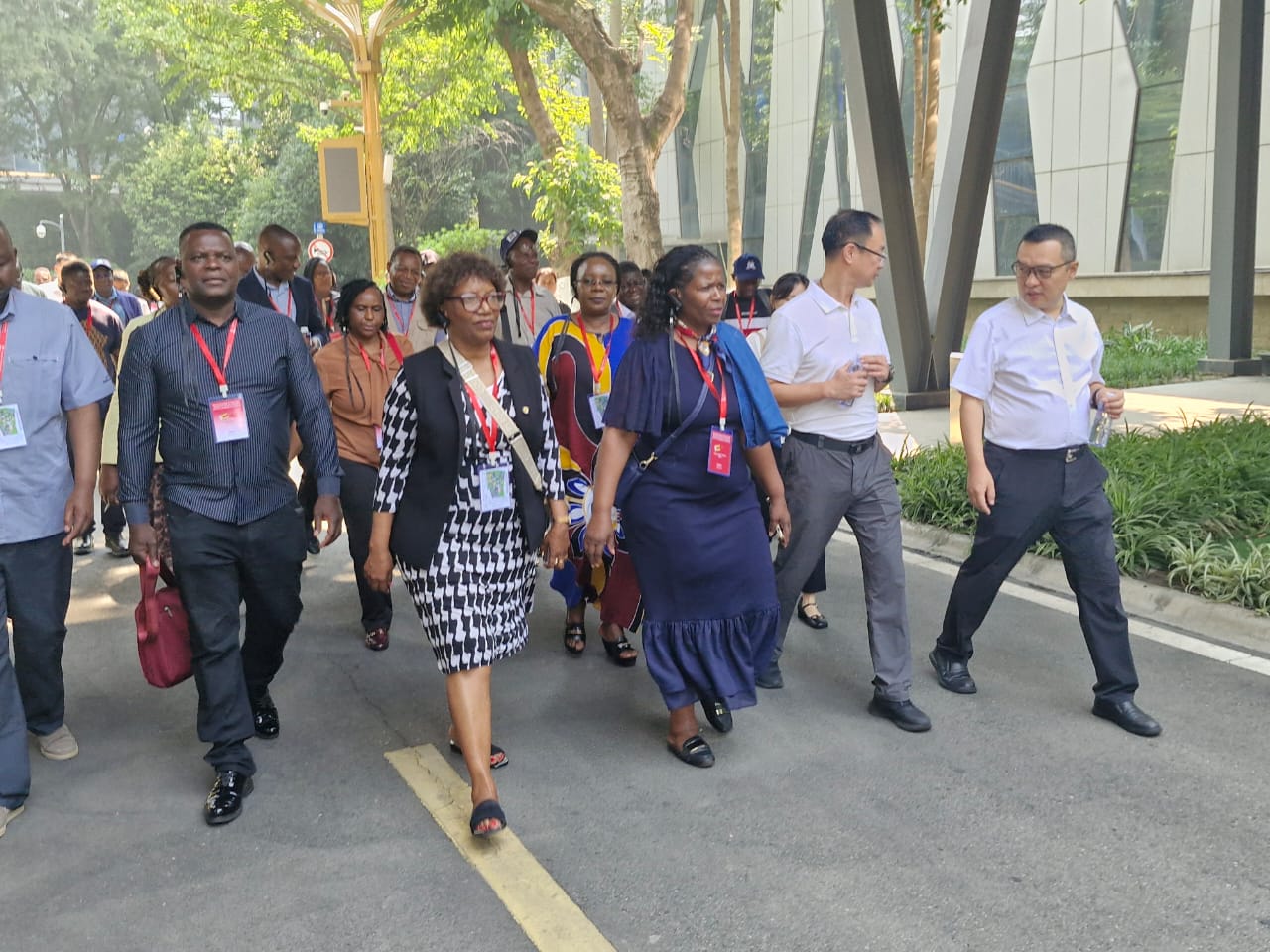
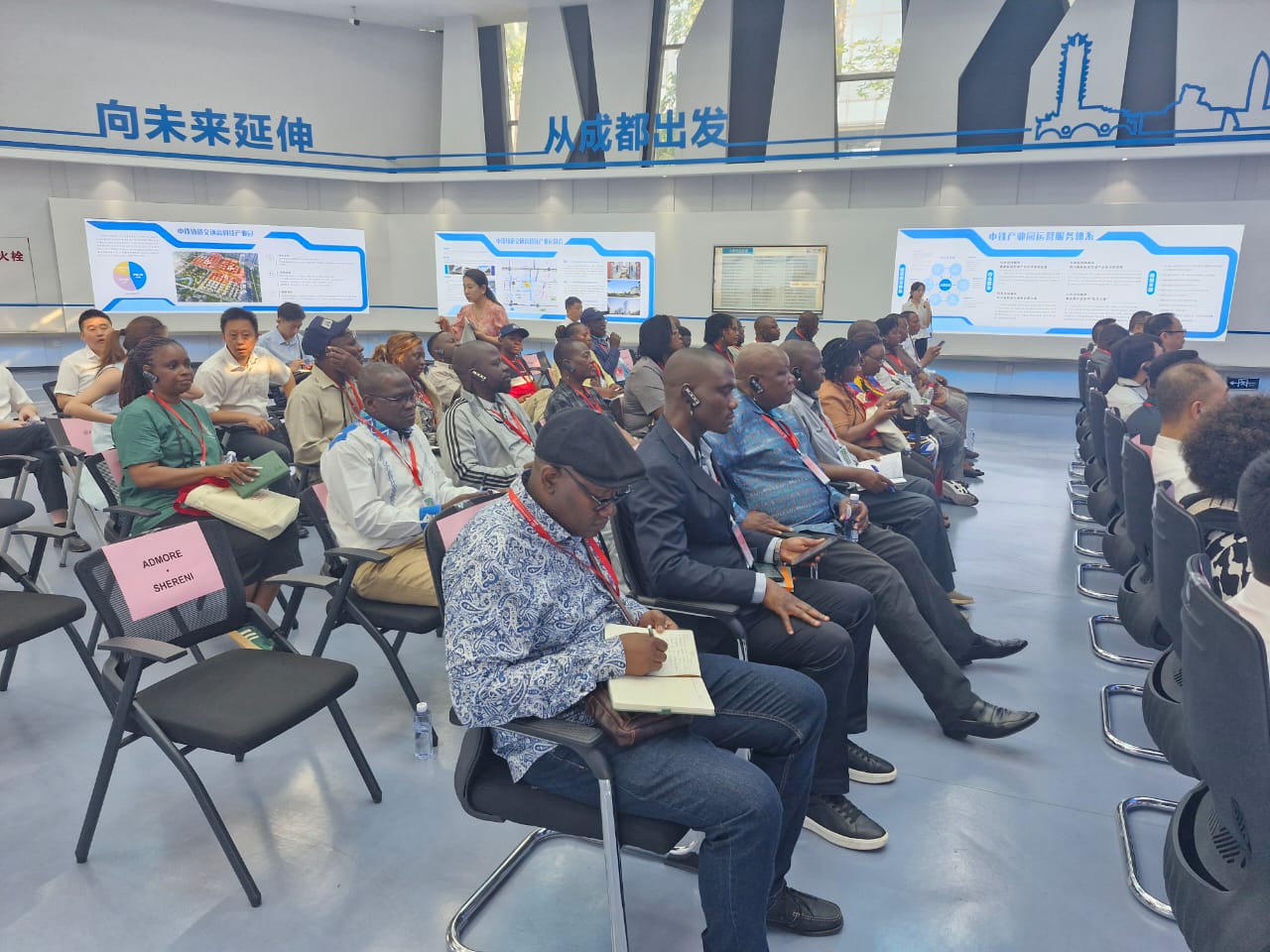
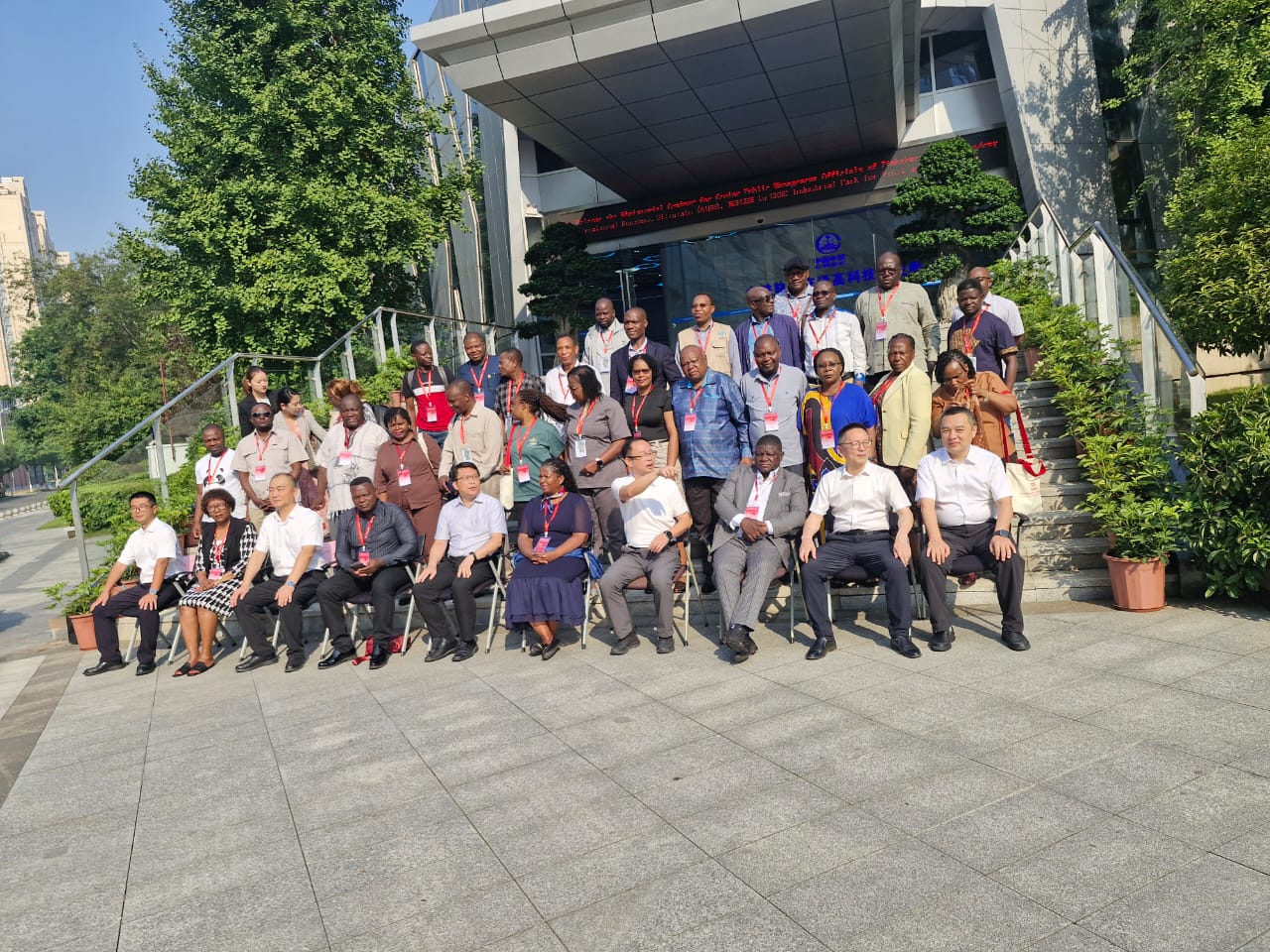
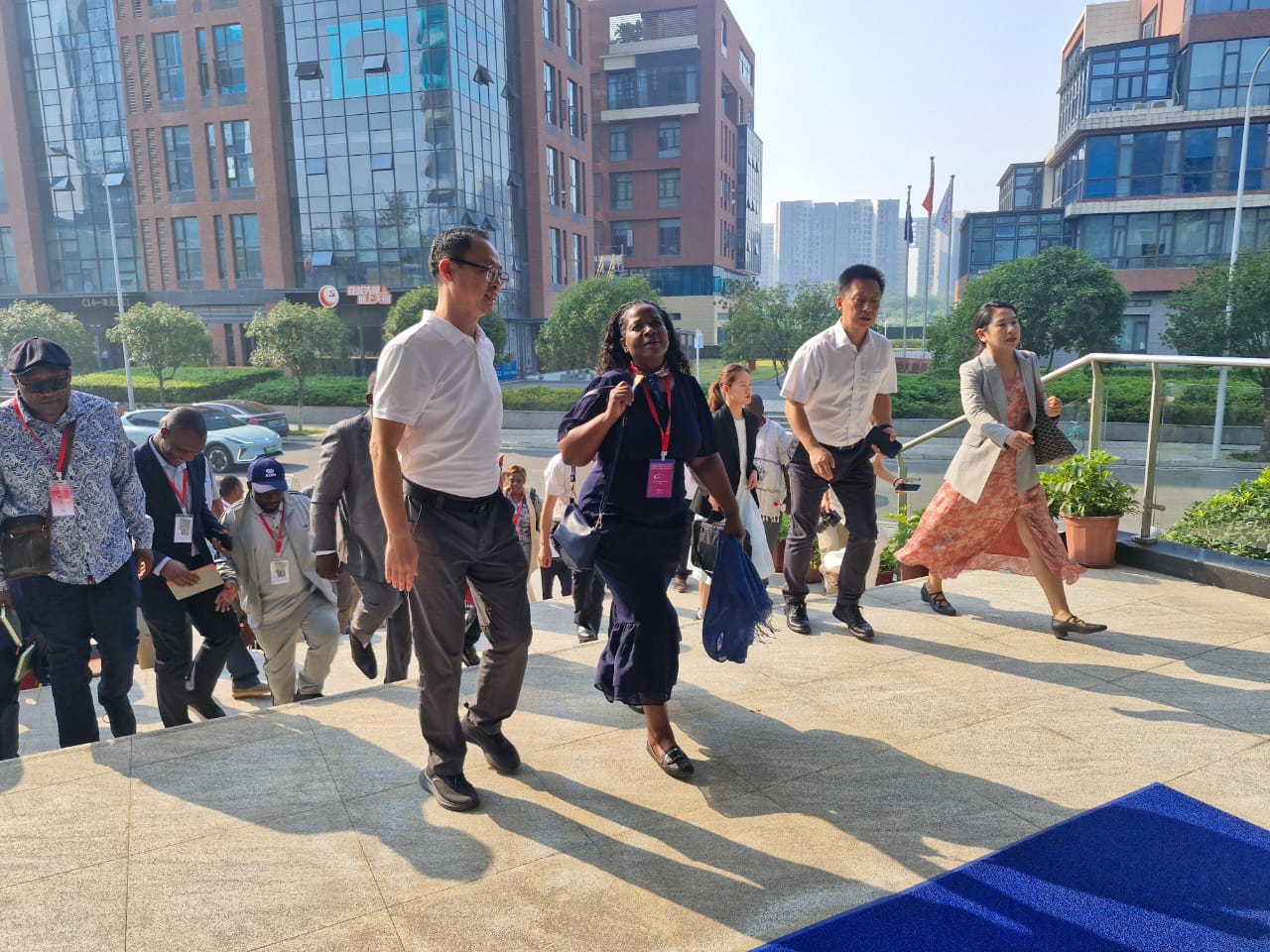
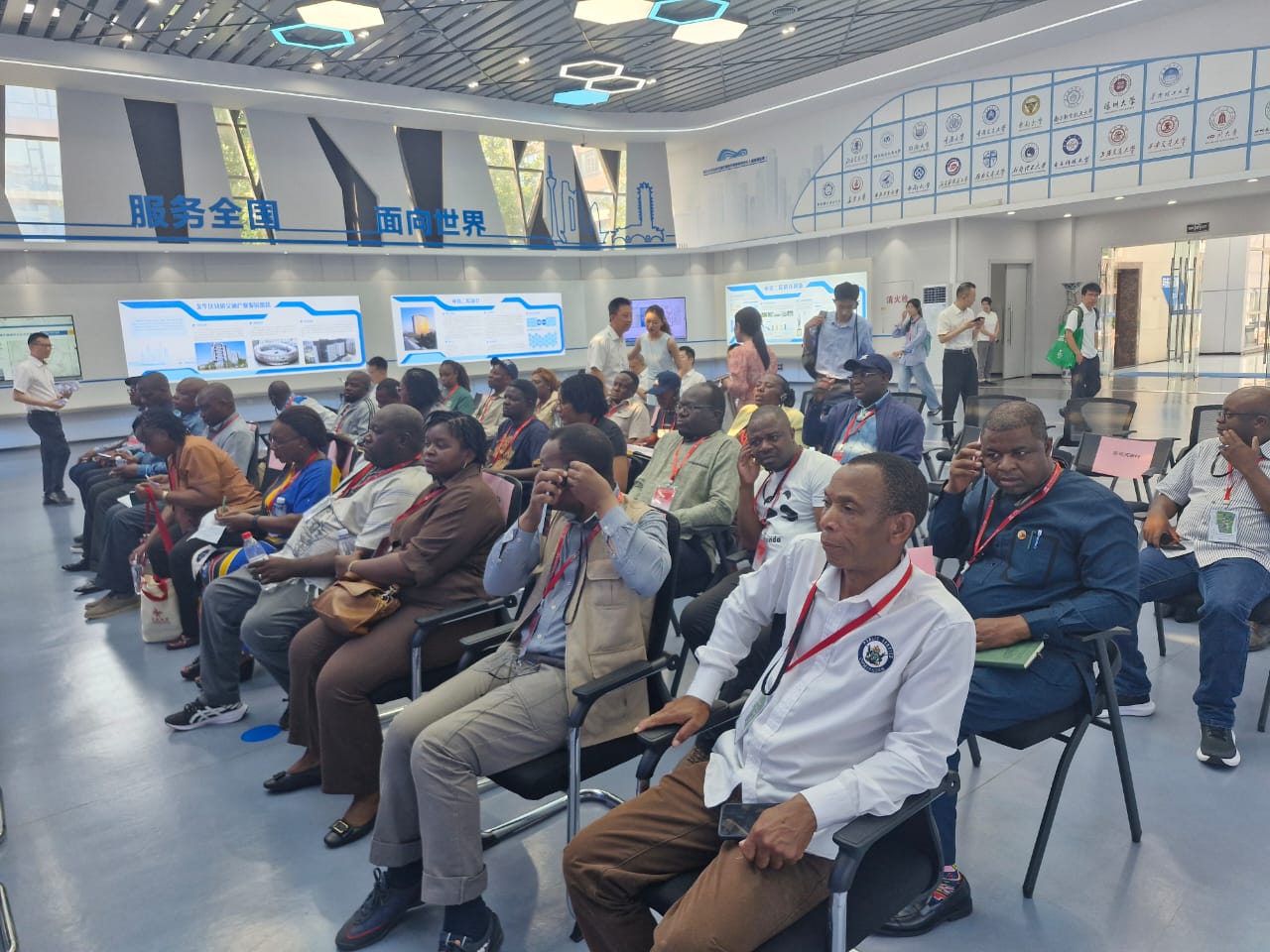
Mr Bing was speaking during a lecture at the ongoing Ministerial Seminar for Senior Public Management Officials of Zimbabwe being held in China and organised by the Academy for International Business Officials (AIBO).
The presentation showed that economic cooperation has grown significantly over the years, with bilateral trade increasing from about US$1.88 billion in 2021 to US$4,41 billion in 2025.
The 2025 figure represented a 15,2 percent year-on-year increase, highlighting the growing commercial links between the two countries.
“Zimbabwe exported goods worth about US$2,57 billion to China in 2025, while Chinese exports to Zimbabwe stood at approximately US$1,84 billion.
“Zimbabwe’s major exports to the Chinese market include minerals, tobacco, stone and ferrochrome, while cotton, fruits and nuts are among products showing growth,” said Mr Bing.
He revealed that Zimbabwe began exporting oranges to China in 2023, opening another avenue for the country’s agricultural exports.
Mr Bing noted that China’s exports to Zimbabwe are largely made up of machinery and equipment, electrical equipment, vehicles and parts, steel products, rubber, plastics and chemicals.
Mr Bing’s presentation traced the institutional development of economic relations between the two countries to a series of bilateral agreements.
He revealed that the first major trade framework was the 1981 Trade Agreement, followed by the 1985 Agreement on the Establishment of a Mixed Committee on Economic, Technical and Trade Cooperation.
“The two countries subsequently signed the 1996 Agreement on the Encouragement and Reciprocal Protection of Investments, while a 2015 agreement sought to avoid double taxation and prevent fiscal evasion.
“These agreements have provided a framework for the expansion of investment and commercial activity between Zimbabwe and China,” he said.
Mr Bing further highlighted the growing role of Chinese companies in Zimbabwe, particularly in strategic sectors such as mining, power generation, renewable energy, agriculture, metallurgy, manufacturing, telecommunications, construction, retail, catering and tourism.
He noted that mining, particularly lithium, has emerged as one of the most visible areas of recent economic cooperation.
“Chinese companies have invested substantially in Zimbabwe’s lithium industry, including the development of mining and processing capacity.
“Some of these companies include Sinomine Resources Group and Zhejiang Huayou Cobalt among others, which have expanded lithium mining and processing operations in Zimbabwe.
The investments are significant because they move the relationship beyond the traditional trade of raw commodities towards greater processing and industrial activity within Zimbabwe,” he said.
While investment has become increasingly prominent, Chinese government assistance and financing have also played a major role in Zimbabwe’s infrastructure development.
Mr Bing singled out the National Sports Stadium of Zimbabwe, which was put into use in 1987 and renovated in 2010, as one of the longstanding examples of Chinese-supported infrastructure cooperation.
He also pointed to the New Parliament Building at Mount Hampden, describing it as “China’s largest government-aid construction project in southern Africa in recent years.”
The facility was handed over to Zimbabwe in October 2023.
“The aviation sector has also benefited from Chinese support, with the upgrading of Victoria Falls International Airport and the expansion and upgrade of Robert Gabriel Mugabe International Airport.
“The Victoria Falls Airport project was financed through preferential loans from the Export-Import Bank of China and was completed in 2016.It included a new terminal and apron, runway improvements and upgraded aviation systems, strengthening the resort city’s capacity to receive international visitors.
“The Robert Gabriel Mugabe International Airport expansion, involving an investment of about US$320 million, began in 2018 and was put into operation in 2025. The upgraded airport is expected to handle up to six million passengers annually,” said Mr Bing.
On agriculture he notes that it has provided another important platform for cooperation, particularly through Chinese technical assistance.
“The China-Aid Agricultural Technology Demonstration Centre in Gwebi, established in 2010, has been used for production, experimentation, demonstration and training. The centre has promoted technologies including water-saving irrigation and conservation agriculture, while Chinese agricultural experts have worked with Zimbabwean institutions and communities.
“In Zvimba, demonstration villages have been used to introduce integrated crop and livestock production models. The emphasis on training and technology transfer further points to a broader dimension of the bilateral relationship beyond physical investment.
Mr Bing said the cooperation “extends beyond infrastructure and investment to capacity building and the transfer of technical expertise.”
Energy has also become an important area of Chinese involvement in Zimbabwe.
In his presentation, Mr Bing further highlighted Chinese-supported expansion projects at Hwange
Thermal Power Station and Kariba Hydropower Station, alongside emerging investments in solar energy.
He said the projects form part of broader cooperation aimed at strengthening Zimbabwe’s energy infrastructure and increasing generation capacity.
“The relationship has also included extensive cooperation in the health sector. China has sent medical teams to Zimbabwe since 1985, while government assistance has included medicines, medical equipment and other key requirements.
“Water access has similarly been an area of practical cooperation. More than 1 300 boreholes were donated to Zimbabwe between 2012 and 2024, with the projects benefiting millions of people,” he said.
Mr Bing emphasised that, when taken together, the projects and investments demonstrate the widening scope of China-Zimbabwe relations.
He said the relationship now encompasses commercial trade, Chinese investment, infrastructure development, agricultural technology, energy, mining, healthcare, water provision and skills development.
The Ministerial Seminar is being organised by the Academy for International Business Officials (AIBO), an institution under China’s Ministry of Commerce and is running up to September 12.
It is targeting officials from relevant Zimbabwean Government departments at ministerial level.
The Zimbabwean delegation is being led by the Deputy Minister of Public Service, Labour and Social Welfare, Mercy Dinha and also includes Commissioner Rosemary Rubvumo Mukogo from the Public Service Commission of Zimbabwe, Ms Nditwani Muleya is the Permanent Secretary for Monitoring and Evaluation in the Office of the President and Cabinet among other senior government officials.