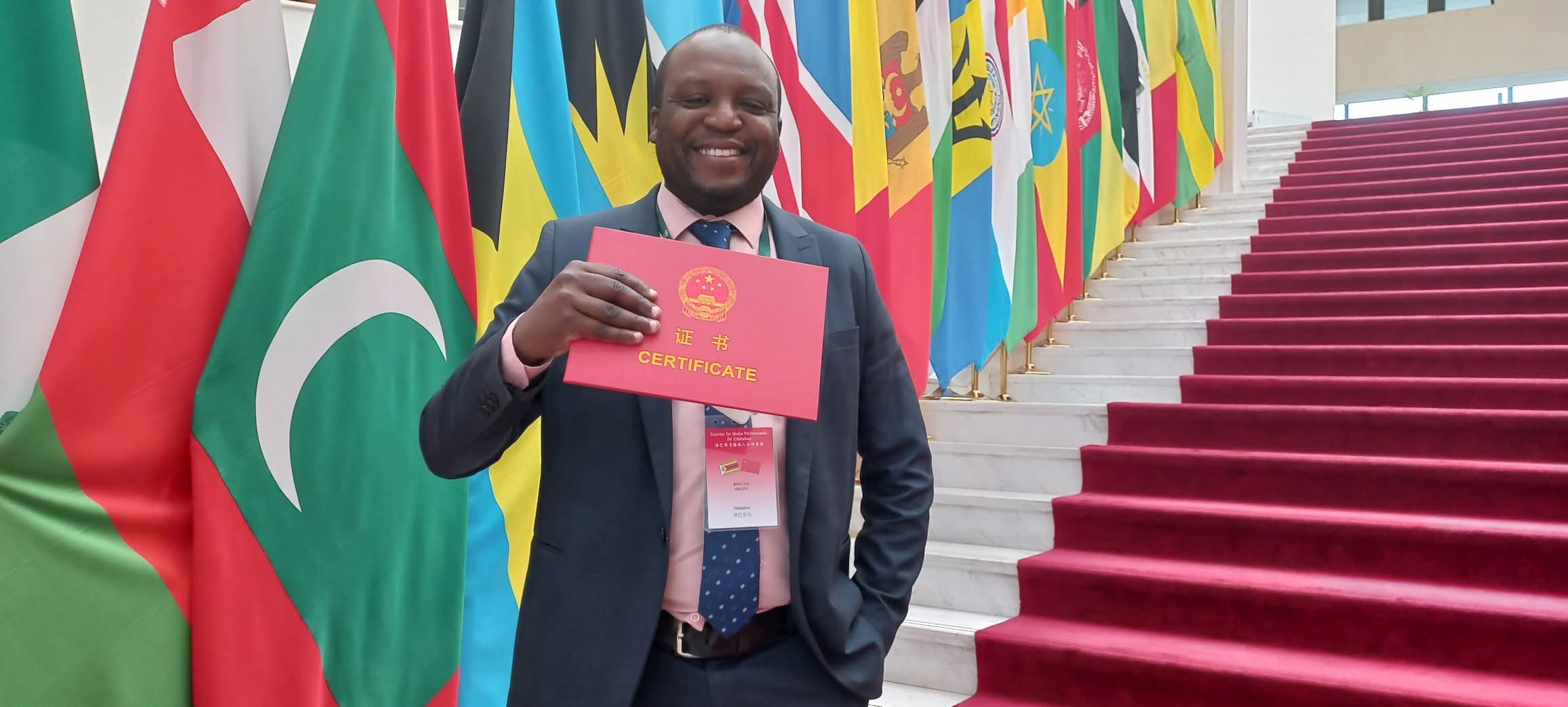
Bongani Ndlovu
Towering skylines, world-class transport networks and a thriving technology sector have become defining features of modern China.
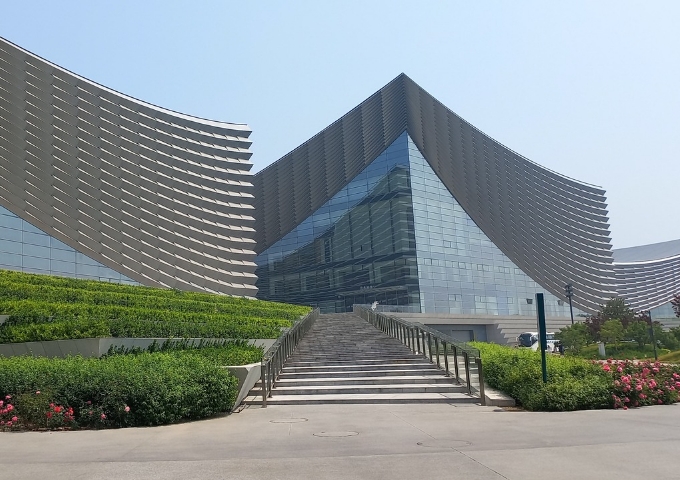 Behind this transformation lies decades of deliberate policy, massive infrastructure investment and an unwavering focus on economic development — an evolution that continues to capture global attention.
Zimpapers Senior Reporter Bongani Ndlovu recently travelled to China as part of a two-week media exchange seminar organised by the Chinese Ministry of Commerce.
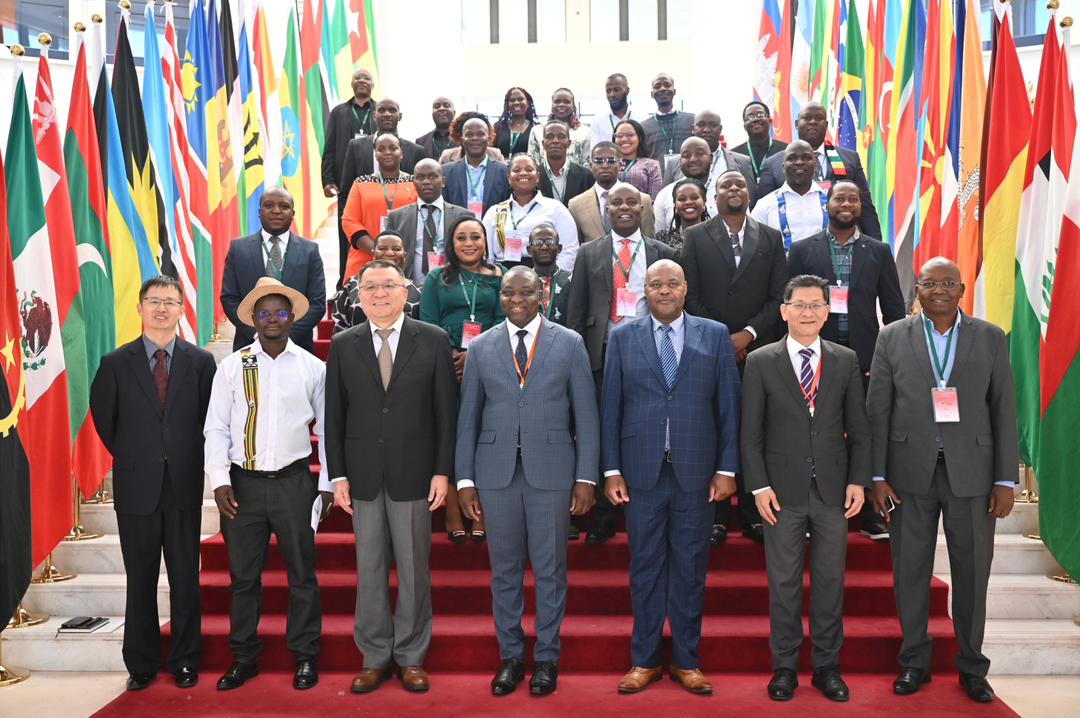
During the visit, he toured Beijing and Chongqing, visited leading companies, renewable energy projects and rural communities.

In an interview with CGTN, he shares his observations on China’s development journey and the lessons Zimbabwe can draw from the experience.
CGTN is the English-language news channel of state-run China Global Television Network, based in Beijing, China. Below are excerpts from the interview.
Q: You recently travelled to China as part of an exchange programme organised by the Chinese Ministry of Commerce. What was the programme about?
A: The programme was a seminar for Zimbabwean media practitioners aimed at helping us understand how China has developed over the years, where the country started from and the opportunities it offers countries such as Zimbabwe. We also learnt about initiatives such as China’s zero-tariff policy for African countries, the opportunities it creates for businesses and gained a broader understanding of China’s development journey.
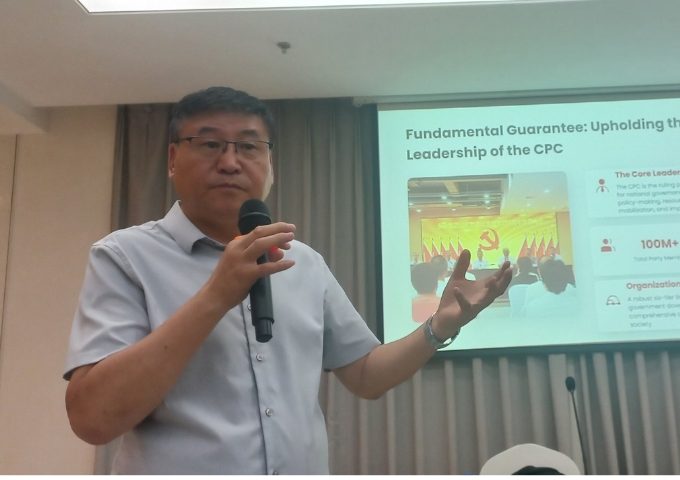
Q: After attending seminars and engaging with experts, what were your biggest takeaways?
A: One of my biggest takeaways was the importance of long-term planning. China’s transformation did not happen overnight but was the result of consistent policies implemented over decades. Another lesson was the country’s strong focus on innovation, whether in renewable energy, manufacturing or digital technology. China has invested heavily in research and development, and I was also impressed by how industry, academia and government work together to achieve common development goals.
Most importantly, I learnt that infrastructure development and energy security are critical foundations for economic growth.
Q: Zimbabwe continues to face electricity shortages. How can China’s solar photovoltaic and energy storage solutions help address this challenge?
A: I believe China’s photovoltaic and energy storage models are highly relevant to Zimbabwe. Our country enjoys abundant sunshine throughout the year, making solar energy one of the most viable solutions to our electricity challenges. What impressed me most was not only the scale of China’s solar projects but also the integration of battery storage systems, which allow energy generated during the day to be used at night. This could be a game-changer for Zimbabwe.
Q: China-Zimbabwe cooperation also extends to agriculture. What opportunities does China’s zero-tariff policy present for Zimbabwe?
A: The zero-tariff policy creates a major opportunity for Zimbabwean exporters by giving them greater access to one of the world’s largest consumer markets of more than 1,4 billion people.
Zimbabwe has products such as tobacco, citrus fruits, macadamia nuts, blueberries and other agricultural commodities that can become more competitive in the Chinese market.
The challenge now is to increase production through cooperation with Chinese companies and technology transfer.
This includes improving production methods, packaging, value addition, quality and standards so that Zimbabwe can fully benefit from the expanded market access.
Q: You also visited Chongqing. What stood out for you during that trip?
A: Chongqing was one of the highlights of my visit. Before arriving, I was encouraged to try the city’s famous hotpot.
Although the food was quite spicy, I really enjoyed the experience.
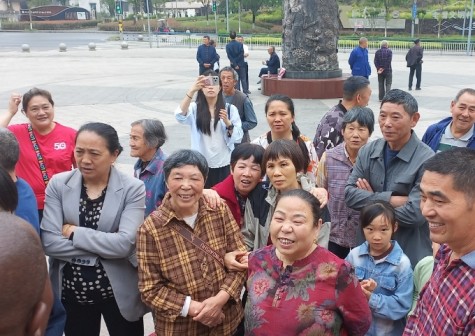
The city itself was fascinating because it combines modern development with a rich history and culture. We were amazed by its impressive infrastructure, including the rail system that passes through a residential building, showing how innovative transport solutions have been developed to benefit people.
The mountainous terrain makes the engineering achievements even more remarkable. We also visited a rural village outside Chongqing, where we saw how government and the private sector are working together to improve livelihoods by supporting villagers with housing and income-generating projects. Many of us had imagined Chinese villages as being largely traditional, but we even saw a Tesla in the village. That completely changed our perception of rural China.
Q: Looking back on your visit, what impressed you the most?
A: I was impressed by how every company we visited used modern technology, including virtual reality and 3D cinemas, to tell the story of China’s development. The scale of development and the speed at which innovation is being implemented were remarkable. Massive solar installations and modern transport infrastructure demonstrated the country’s commitment to progress.

Before visiting China, I was aware of its economic achievements, but seeing them first-hand gave me a much deeper appreciation of the planning, investment and hard work that have driven its development. I also got a greater understanding of China’s commitment to technological innovation, clean energy and international cooperation.
These experiences showed me that many valuable lessons developing countries such as Zimbabwe can learn from China’s development journey while adapting them to suit their own circumstances.