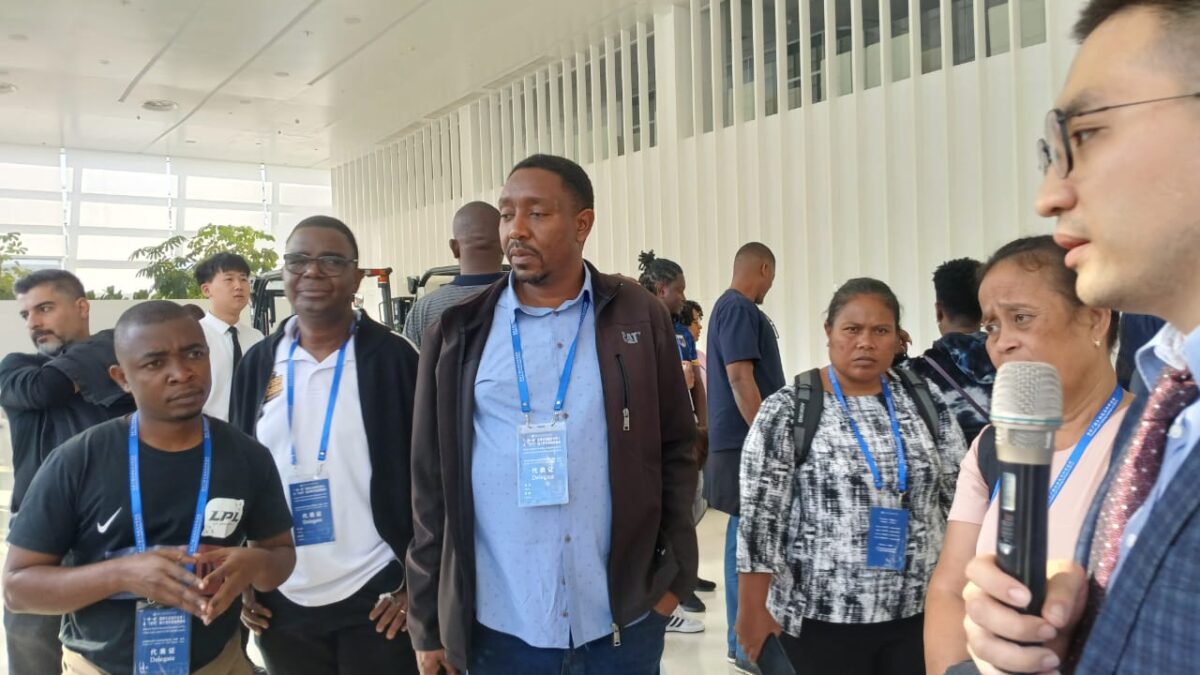
Daniel Chigunwe in Beijing, China
China’s advances in hydrogen energy technology could offer valuable lessons for Zimbabwe as the country seeks to diversify its energy mix, strengthen energy security and accelerate industrial development.
This emerged during a visit by Zimbabwean journalists attending the Seminar for Heads of Journalists Organisations and Gen Z Media Youth Leaders from Belt and Road Countries to the Zhongguancun (Daxing) International Hydrogen Energy Demonstration Zone in Beijing on Thursday.

The visit brought together journalists and youth media leaders from 12 countries, including Zimbabwe, with approximately 31 participants gaining insights into China’s development and application of hydrogen technology.
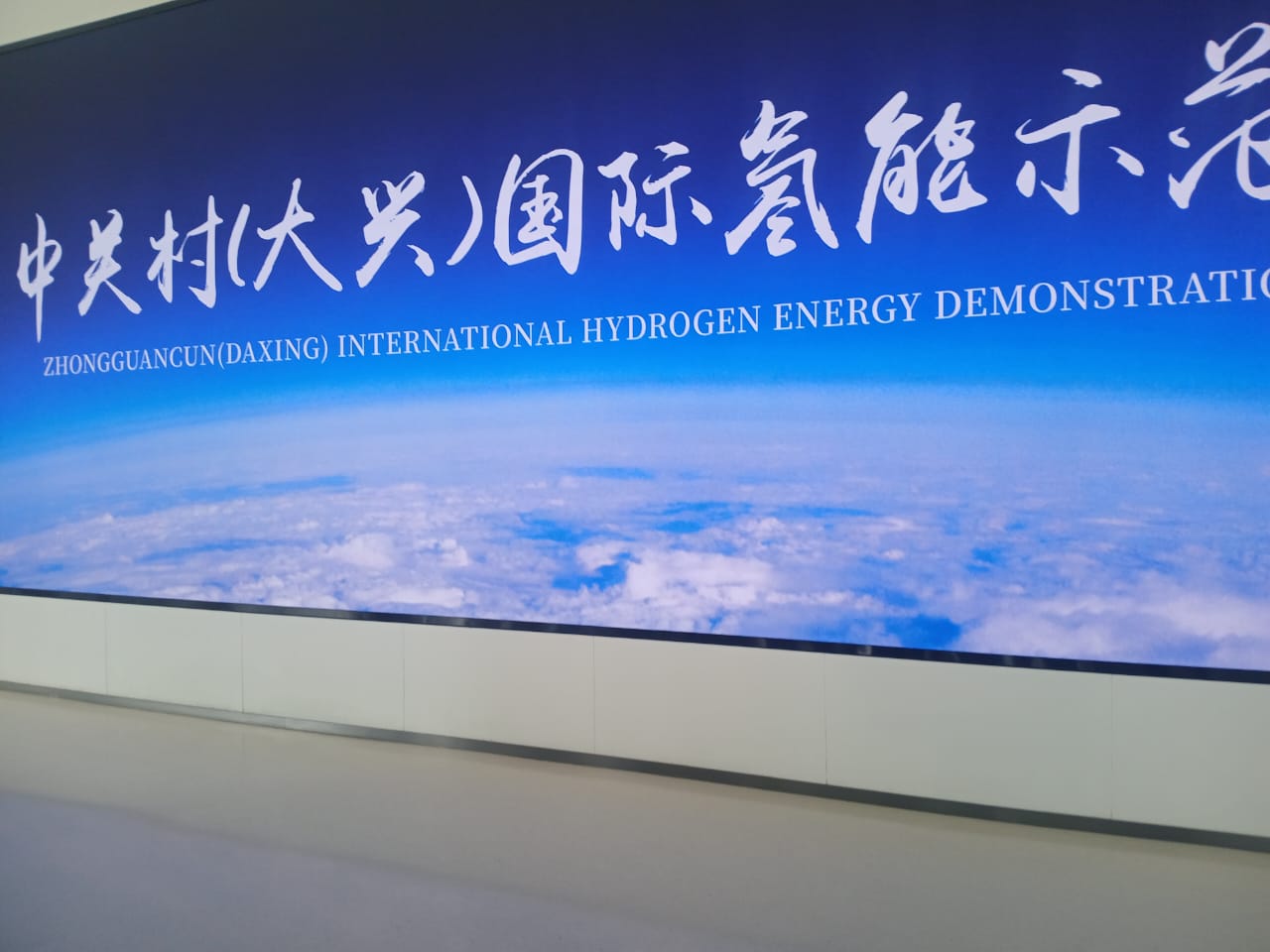
At the demonstration zone, the journalists were introduced to hydrogen-powered service vehicles, motorcycles and other technological applications, illustrating how hydrogen is being incorporated into transport and smart mobility systems.
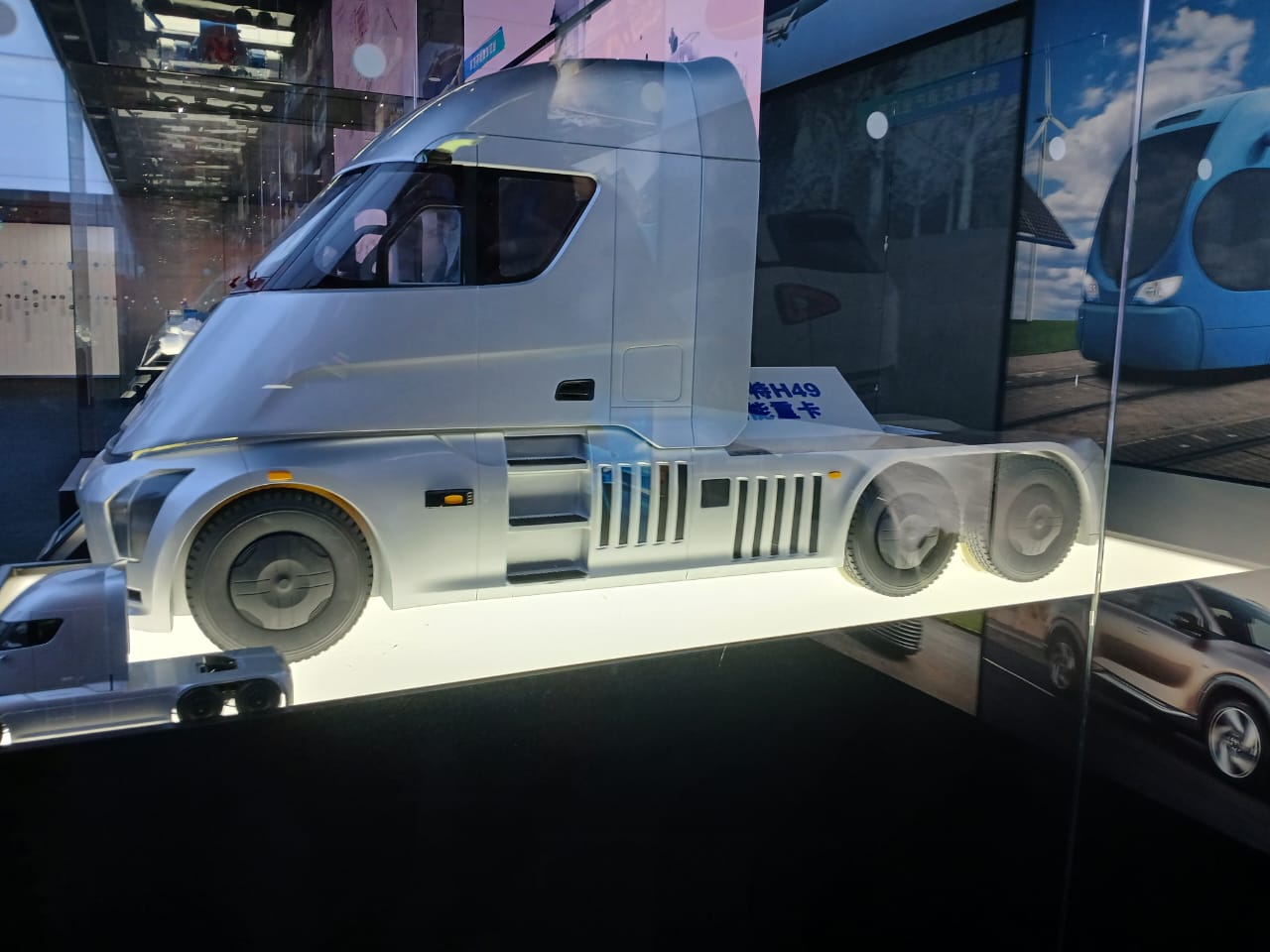
The Daxing International Hydrogen Energy Demonstration Zone highlighted China’s years of investment in hydrogen technology and its growing application across different sectors.
“China has spent years advancing hydrogen energy technology and expanding its application across different sectors, particularly transport. From hydrogen-powered service vehicles to motorcycles and other smart mobility solutions, hydrogen demonstrates potential in supporting cleaner transport and the transition towards a low-carbon future,” the demonstration zone said.
Hydrogen energy is attracting growing global interest as countries explore alternatives to fossil fuels and seek to reduce carbon emissions while meeting rising energy demands.
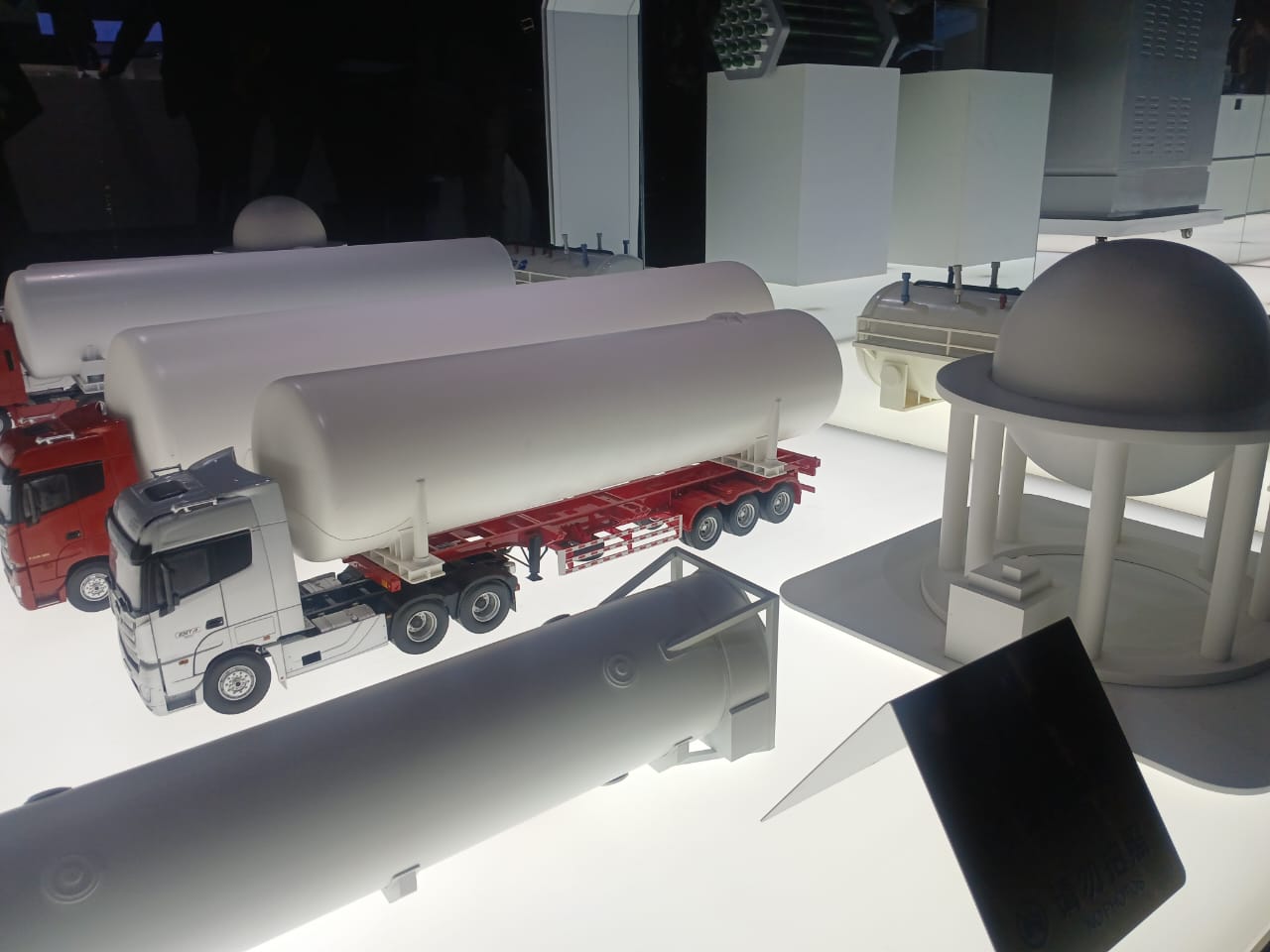
For Zimbabwe, which is pursuing energy security and industrialisation under its Vision 2030 agenda, China’s experience presents opportunities to explore technology transfer, skills development, research and investment in emerging energy solutions.
Zimbabwe has already taken steps towards green hydrogen development. In 2023, the Zimbabwe Electricity Transmission and Distribution Company signed a memorandum of understanding with French energy company HDF Energy towards developing a utility-scale green hydrogen power plant at Middle Sabi.
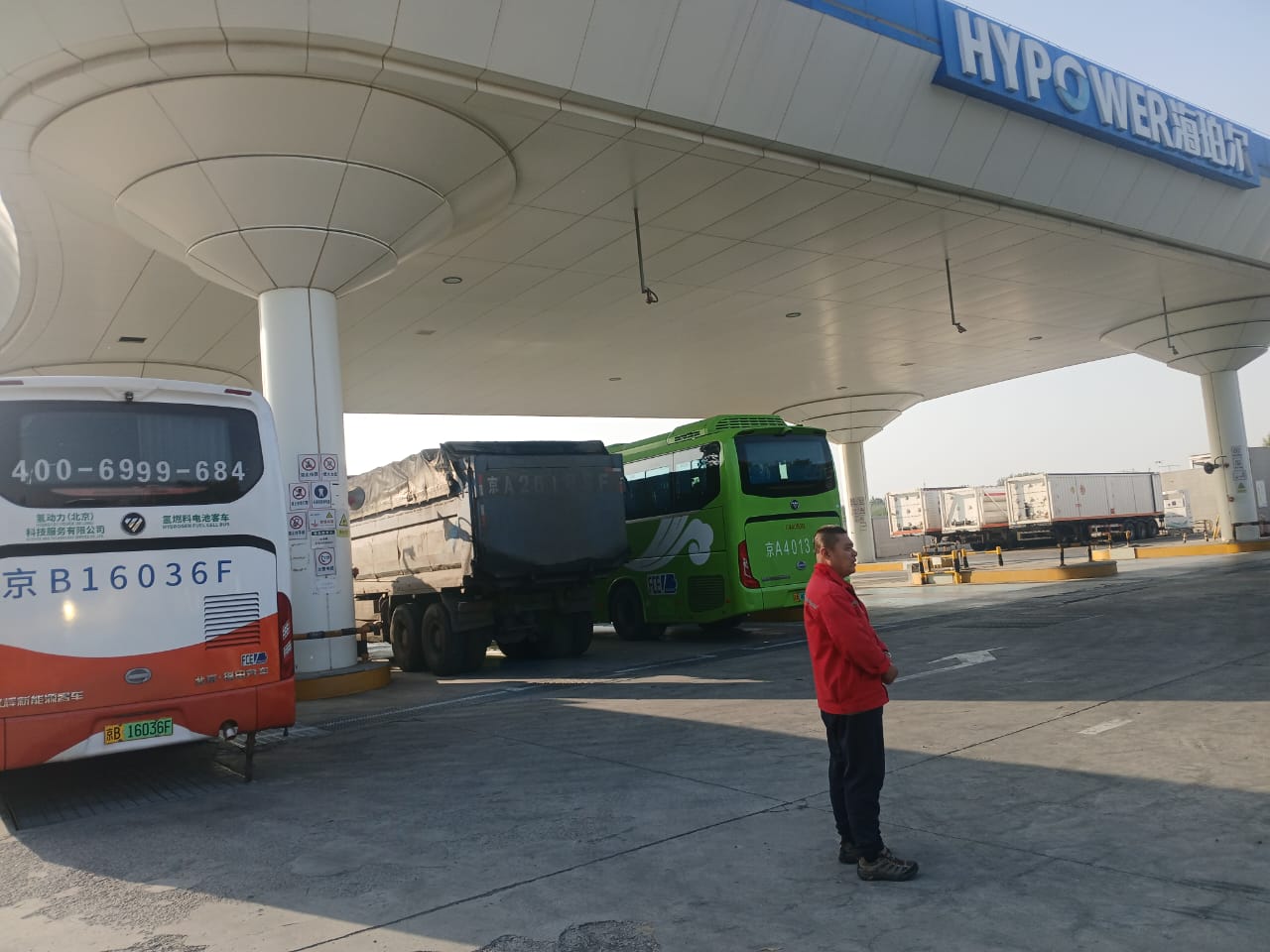
China’s experience could provide useful lessons as Zimbabwe explores ways of complementing existing energy sources, including solar and hydroelectric power, with emerging technologies.
The visit also underscored the potential of South-South cooperation in enabling developing countries to exchange expertise, access new technologies and identify solutions suited to their economic and industrial priorities.
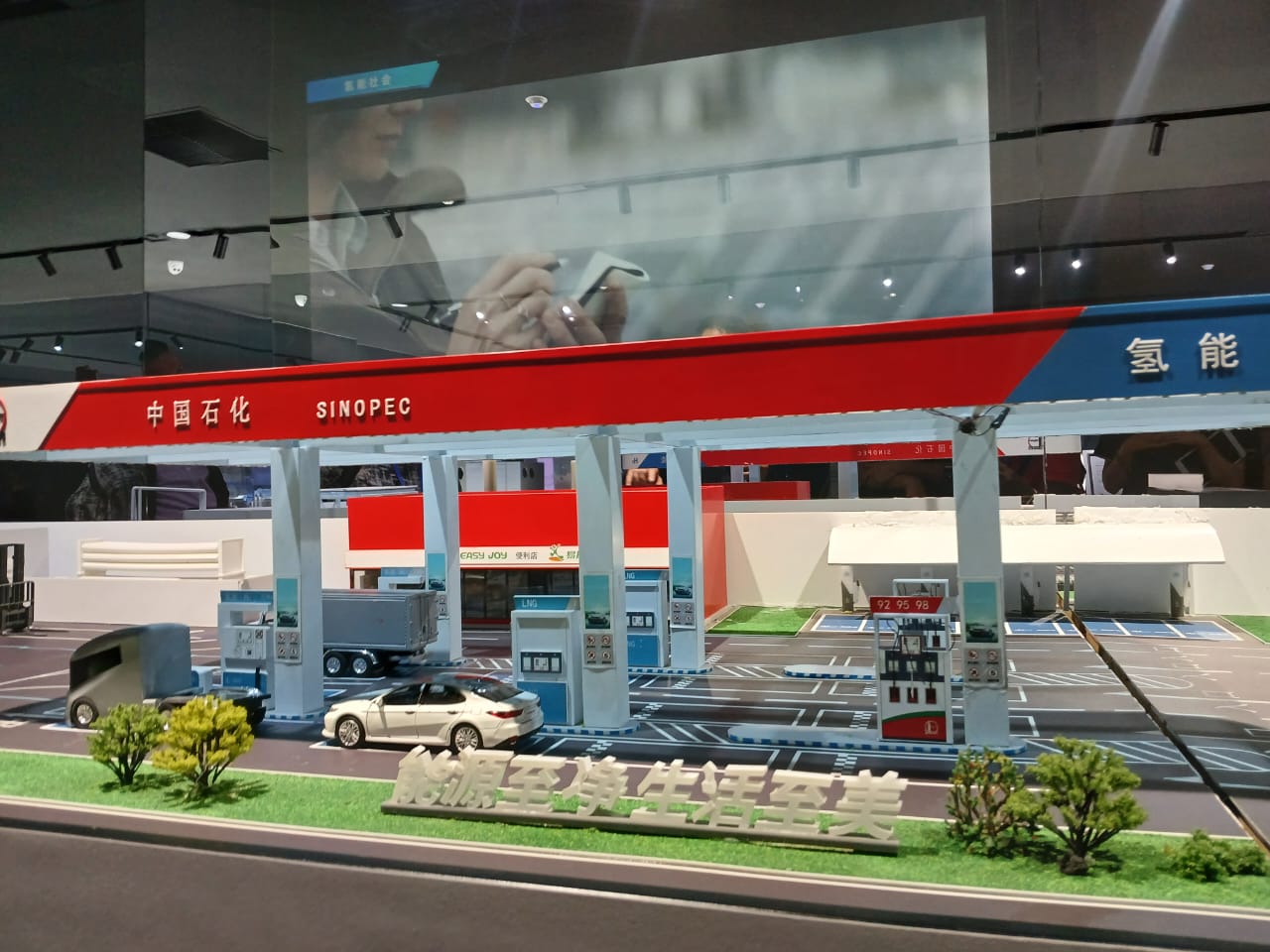
As Zimbabwe and China continue to strengthen bilateral relations, cooperation in renewable energy could create opportunities for investment, technical training and knowledge-sharing to support sustainable development.