

 dyton mupawaenda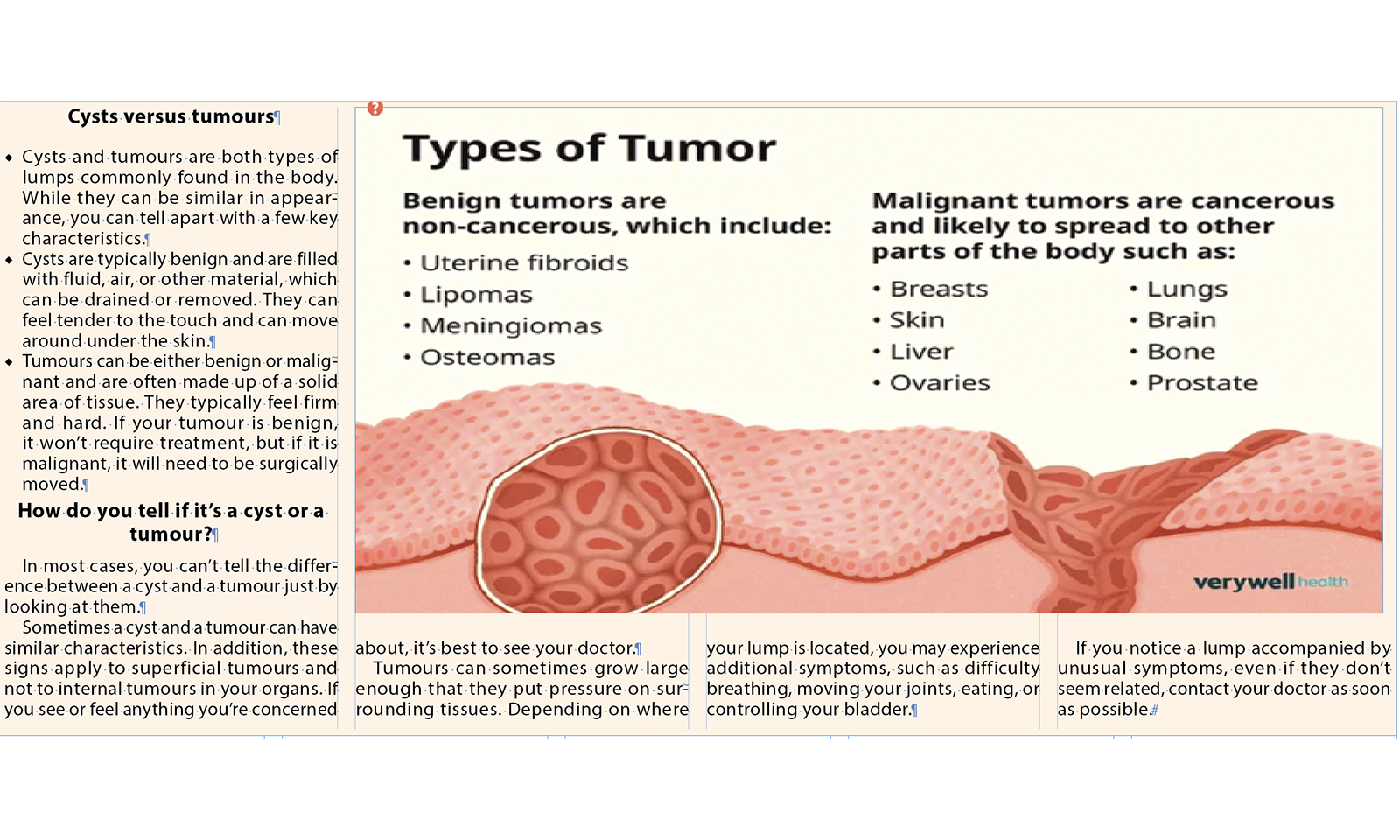
Paul Pindani in CHINHOYI
A CHINHOYI Provincial Hospital gynaecologist removed a rapidly growing 9,3kg tumour from a 34-year-old woman who had delivered a pre-term neonate (a baby born before 37 weeks of gestation) due to the growth last week.
Dr Prosper Kuwandoga successfully conducted the operation, a major milestone for the provincial hospital, with the support of a consultant anaesthetist, two MSc in obstetrics and gynaecology students, theatre nurses and other support staff.
“After a gruelling two hours we were done and were happy that we had not had any surgical complications,” said Dr Kuwandoga.
“We counselled the patient and told her that as much as we would like to help her, we may find the tumour inoperable due to inadequate investigations by other key specialists.
“On the day of the operation, the other gynaecologist, my boss, was not there as he had to attend to very crucial business out of town. He gave us his blessings and we proceeded with the delicate surgery on this woman who was deteriorating and her anaemia had worsened with haemoglobin at 8 (out of the normal of around 13g/dl).”
The team successfully removed a big tumour weighing about 9,3kg during a surgical procedure at the hospital.
The success of this operation indicated the high level of surgical skill, expertise and experience on the part of Dr Kuwandoga and his team.
This achievement also raised the flag high for the hospital, which is the largest referral health institute in the province.
“We carefully planned this operation to ensure the safety and health of the patient.
“The surgical breakthrough here at Chinhoyi underscores the capabilities of our healthcare facilities outside major urban centres,” Dr Kuwandoga.
“All this demonstrates that provincial hospitals can perform significant surgeries helping to save the lives of people outside major referral centres in the capital, Harare.”
Before the surgery, he said the patient was in deep pain from the pressure effects of the mass which continued to grow while she wasted away.
“We initially tried to order more investigations including a CT and tumour markers, but then the woman could not afford these.
“We reached a decision to operate her urgently together with my boss to relieve her of the pain and discomfort due to the pressure effects of the tumour,” he said.
Dr Kuwandoga said the most challenging part was navigating around the mass, separating adherent tissues, especially bowel, something normally done with the aid of the general surgeons.
The tumour and other tissues removed will be examined by pathologists to determine the cause of the growth.
“If cancerous, the patient will be examined by oncologists and put on treatment for possible chemotherapy or radiotherapy,” Dr Kuwandoga said.
“Thankfully, we now have an oncologist at CPH. In our case, we will make sure she abides by recommendations and we will hold a multidisciplinary team meeting online with other specialists to critically analyse the case and give us further guidance on further care.”
The success of the operation at Chinhoyi Provincial Hospital demonstrates the medical excellence that exists in the country’s provincial hospitals despite other operational challenges.
A number of patients in the country have had their tumours removed successfully at various healthcare centres in the country. Cervical and prostate cancers continue to be the leading causes of death among cancer patients in Zimbabwe, according to the delayed 2019 report released by the Zimbabwe National Cancer Registry. Cervical cancer remains the most widespread cause of cancer death in women in the country, accounting for 12 percent of all cancer deaths recorded in Zimbabwe.
Prostate cancer is the second most commonly diagnosed cancer in men, with a 11 percent share of deaths.
Zimbabwe has made huge strides in improving the collection of information of all new cancer cases helping to increase surveillance and the implementation of cancer programmes in the country.



 Online Reporter