Online Reporter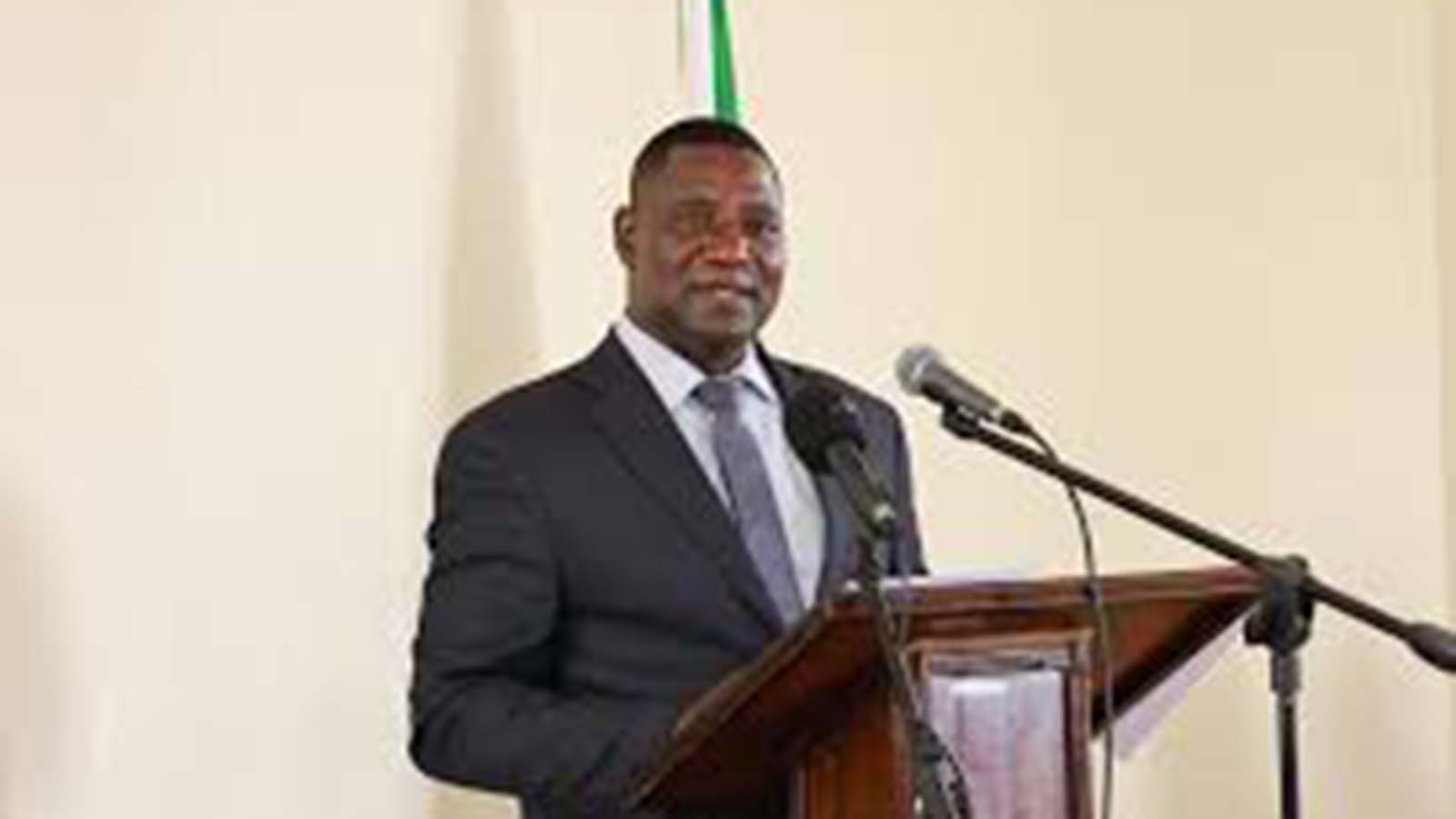
Fungai Lupande
Mashonaland Central Bureau
MASHONALAND Central’s flagship drug rehabilitation facility, Chipadze Rehabilitation Centre in Bindura, is recording encouraging results in the fight against drug and substance abuse, achieving a recovery rate of about 90 percent among patients undergoing treatment.
This comes as the Government intensifies efforts to tackle drug and substance abuse through a comprehensive strategy that combines law enforcement, rehabilitation, community awareness and youth empowerment programmes.
The rehabilitation centre has become a beacon of hope for young people battling addiction, helping hundreds of individuals regain control of their lives and reintegrate into society.
Statistics from January to April this year show that the centre admitted patients from across the province, with Bindura recording the highest number of admissions at 96, followed by Mazowe with 82 and Shamva with 71.
Speaking in an interview, Mashonaland Central Provincial Affairs and Devolution Minister Christopher Magomo, said the centre continues to play a critical role in addressing the demand side of drug and substance abuse.
“Chipadze Rehabilitation Centre has recorded a recovery rate of about 90 percent, demonstrating the effectiveness of rehabilitation and psychosocial support services being provided,” he said.
The success has coincided with intensified anti-drug operations across the province. Between January and April 2026, law enforcement agencies made 296 arrests during supply reduction operations targeting drug trafficking and distribution networks.
Provincial reports indicate that Bindura recorded the highest number of arrests at 78, followed by Mazowe with 72 and Shamva with 61.
Lower figures were recorded in Guruve, Rushinga and Muzarabani, reflecting comparatively lower levels of drug-related activity.
Minister Magomo said authorities recovered 9,2 kilogrammes of dagga, nearly 200 grammes of crystal methamphetamine and codeine-based substances with a combined street value exceeding US$12 000.
“On the legal front, 194 drug-related cases were recorded, with a high conviction rate across districts, signalling stronger enforcement of the law,” he said.
While arrests and prosecutions remain important in combating the scourge, Minister Magomo said rehabilitation and psychosocial support are proving equally critical in breaking the cycle of addiction.
Since 2023, the province has provided counselling and psychosocial support to 234 individuals affected by drug and substance abuse.
Of these, 136 remain under active supervision as part of ongoing recovery and reintegration programmes.
Although relapse remains a challenge, Minister Magomo said family support, continuous counselling and community-based interventions are helping many former drug users maintain their recovery.
To address some of the root causes of substance abuse, the province has also expanded youth empowerment programmes aimed at creating economic opportunities.
More than 600 youths have benefited from loans, grants and start-up support initiatives, while over 37 000 young people have received livelihood skills training in agriculture, entrepreneurship, information and communication technologies and various vocational trades.
“Vocational training centres across the province enrolled nearly 2 800 students, a move that is key to steering young people away from drug abuse,” said Minister Magomo.
The province has further mobilised US$18 000 to support anti-drug initiatives, with resources being channelled to all districts, particularly areas identified as drug abuse hotspots.
Looking ahead, authorities plan to decentralise rehabilitation services to improve access to treatment and counselling, especially for communities in remote districts.
“We want rehabilitation services to be accessible to all communities while expanding economic opportunities that give young people alternatives to drug abuse,” said Minister Magomo.
The province’s efforts are also being reinforced through awareness campaigns conducted on community radio stations and other media platforms, helping spread anti-drug messages to vulnerable groups.
Minister Magomo said the Chipadze Rehabilitation Centre model has the potential to be replicated across the country as Zimbabwe strengthens its national response to drug and substance abuse.
For recovering addicts and their families, the centre’s success represents more than encouraging statistics — it offers a second chance at life and renewed hope for the future.