Patrick Chitumba [email protected]
CHIRUMHANZU District in the Midlands Province has recorded no reported HIV-related deaths among adolescents over the past four years, with a peer-support programme helping young people living with HIV to adhere to treatment, achieve viral suppression and lead healthier lives.
The success is being attributed to the Community Adolescent Treatment Supporters (CATS) programme, which uses trained young people living with HIV to support their peers through treatment adherence, counselling, community follow-ups and psychosocial support.
The initiative is transforming the lives of adolescents who previously struggled to accept their HIV status, with some defaulting on treatment after learning that they had acquired the virus through mother-to-child transmission.
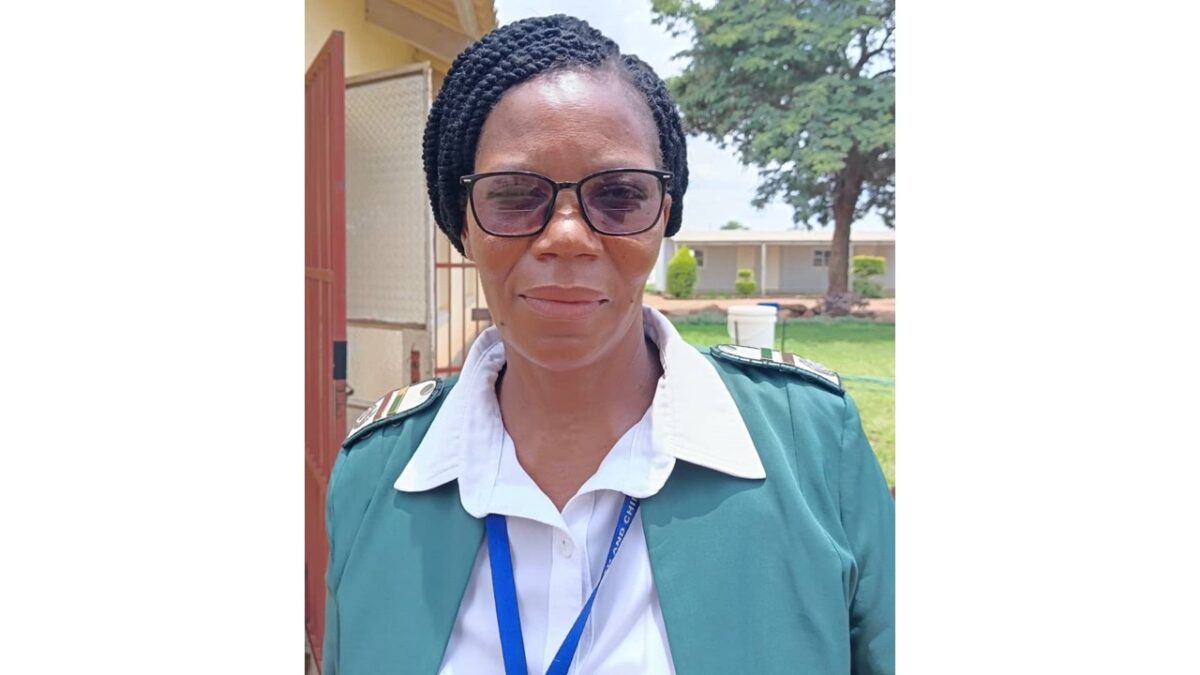
Acting Chirumhanzu District Hospital District Nursing Officer Sister Tendai Nyika said the district had not recorded an HIV-related death among adolescents since 2022, while viral suppression among children and adolescents had reached 95 percent.
She was addressing reporters during the tour of NAC media tour ahead of the World Aids Day commemorations to be held in Shurugwi on December 1.
She said the programme had strengthened treatment adherence because young people were receiving support from peers who understood their experiences and challenges.
“From 2022 to date, we have not recorded any HIV-related deaths among our adolescents. They are doing very well because they are being supported by their peers. “The programme has improved the quality of life of our children. They are healthy, they are not missing school and they have more confidence in managing their condition,” she said.
Sister Nyika said the involvement of peers had helped address stigma and discrimination, which previously discouraged some adolescents from openly discussing their HIV status and seeking assistance.
She said nurses and other health workers had also received training on how to sensitise and work with peer supporters, ensuring that the young people received appropriate guidance and professional assistance.
“Our children are adhering to treatment because they are being supported by their peers. Our peers are part of us and they understand one another better. “They feel free to come to the support groups where they share experiences and challenges. We also provide individualised counselling, which has helped to address discrimination in the district,” she said.
Sister Nyika said the district has established age-appropriate support groups, including those catering for younger children and older adolescents, allowing discussions and counselling to be tailored to their different developmental needs.
“The groups meet once every quarter, providing opportunities for young people to discuss treatment adherence, relationships, stigma, school life and other challenges affecting their wellbeing,” she said.
Sister Nyika said the programme had also produced inspiring personal milestones, including a couple who met through the CATS initiative, got married and subsequently had an HIV-negative child.
“The development demonstrated the importance of continued treatment adherence, access to health information and support for young people living with HIV as they transition into adulthood.
The district is currently implementing the programme at nine health facilities out of 22 facilities, with plans to strengthen coverage.
Chirumhanzu District CATS Supervisor Mr Lewis Mache said the initiative started in 2022 with 15 trained peer supporters covering nine health facilities before growing to 36 peer providers.

He said the district had 1 934 children and young people on antiretroviral therapy (ART), comprising 212 males and 1 722 females. “The programme was designed around the understanding that adolescents often respond better to counselling and guidance from people who share similar experiences.
The peer supporters are recruited from young people living with HIV, with those aged between 18 and 24 years trained to support younger beneficiaries, ” he said. Mr Mache said each peer supporter was expected to support approximately 25 children, helping them remain connected to health services and maintain treatment adherence.
“Sometimes a child can default on treatment or miss a viral load appointment, and because nurses have a lot of work, it may take time before that child is followed up. “Our peer supporters go into the communities, identify those who may have missed appointments and encourage them to return to the health facilities. They understand one another because they share similar experiences,” he said.
Mr Mache said the supporters also conducted community follow-ups, mental health screening, tuberculosis screening and screening for tuberculosis preventive treatment (TPT).
They also monitored whether beneficiaries were due for medication refills and viral load tests, referring those requiring professional attention to health facilities.
He said the approach had helped address one of the major challenges in HIV management among adolescents: accepting one’s status.
“Some children who acquired HIV through mother-to-child transmission struggled to understand how they could be HIV-positive despite never having engaged in sexual activity.
” This sometimes resulted in treatment defaulting, particularly among young people who had not received adequate information and psychosocial support following disclosure of their HIV status,” he said.
However, through interaction with peers who have gone through similar experiences, the adolescents are gradually developing confidence and taking responsibility for their health.
Mr Mache said the district was also recording encouraging progress in the educational and professional development of young people who had benefited from the programme.
“Some former beneficiaries and peer supporters had pursued nursing training and university education, becoming examples to other adolescents that living with HIV did not mean abandoning their ambitions.
“Some of our children have gone on to train as nurses, while others are at university. We want them to see that they can achieve their dreams despite living with HIV. “When they see someone who was once in the same programme becoming a nurse, it gives them hope and motivates them to continue adhering to treatment,” he said.
Mr Mache said peer supporters often carried the responsibility of helping other young people while dealing with their own health and personal challenges. “We realised that we were concentrating on the children they were supporting, but we also needed to ask who was supporting the peer providers.
“They also need care because they can become tired and discouraged. We must ensure that they are supported as they continue helping others,” he said. Chirumhanzu District AIDS Co-ordinator Mr Gwatirisa Masara said the care-for-the-carer approach was important in sustaining the programme and ensuring that peer supporters remained motivated.

He said the district was working with stakeholders, including the National AIDS Council, to strengthen support for adolescents and young people living with HIV.
The CATS programme is demonstrating how community-based interventions can complement clinical services by addressing the emotional, social and behavioural challenges associated with HIV treatment.
As Chirumhanzu continues to strengthen its response, the experiences of adolescents who have remained on treatment, completed their education and pursued professional careers are providing hope to a younger generation growing up with HIV.