Online Reporter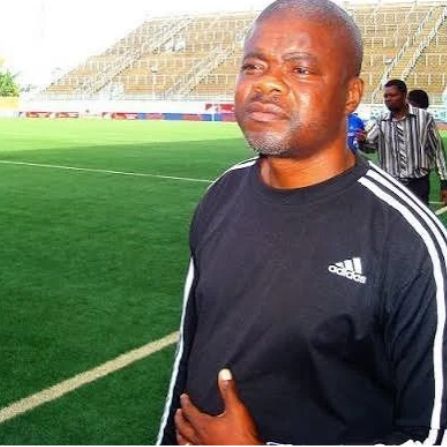
Curtworth Masango
THE plight of former Dynamos player and coach Elvis “Chuchu” Chiweshe has reignited calls for Zifa, clubs and other stakeholders to establish sustainable welfare programmes for retired footballers.
Chiweshe, one of the most recognisable figures in Dynamos’ history, is reportedly facing serious financial and health challenges.
The former Warriors midfielder is said to have gone for months without paying rent and is struggling to afford food and medication as he battles severe back pain.
His situation has once again shone a spotlight on the hardships faced by some of the players who brought glory to Zimbabwean football but have little to show for their contribution after retirement.
A member of the historic Dynamos side that reached the 1998 CAF Champions League final, who spoke on condition of anonymity, said the plight of former players should serve as a wake-up call for local football.
“Dynamos achieved a lot by reaching the CAF Champions League final, and that is something that deserves recognition, particularly in Zimbabwean football,” he said.
“Those of us who contributed to that historic achievement also deserve to be acknowledged. I am not taking anything away from anyone, but I believe our efforts and contribution to the game should be recognised.
“Some former players are going through very difficult situations. Many are struggling to meet their daily needs, while others cannot even afford medication.”
Chiweshe joined Dynamos from Eagles in 1988 and retired in 1995 after an illustrious playing career. He later returned as coach and guided the Glamour Boys to the CAF Champions League group stages in 2010.
Although he was not part of the Dynamos team that reached the 1998 continental final, his current struggles reflect the challenges facing a number of Zimbabwe’s retired footballers.
The situation has reignited calls for the establishment of a former players’ welfare fund, affordable medical insurance and pension schemes supported by clubs, Zifa, the Premier Soccer League and corporate partners. Former players could also be integrated into coaching, scouting, administration, schools and grassroots development programmes, allowing them to continue contributing to the game after retirement.
“We need a proper plan for former players. Recognition should not end with celebrating what they achieved on the field; there must also be discussions about their welfare and what they can do after football.
“Retirement can bring a great deal of stress and depression, especially when players have nothing meaningful to do or no reliable source of income,” the former Dynamos player said.
He challenged football authorities to emulate countries where former players are provided with opportunities in coaching, youth development and community-based programmes.
“There is always something former players can contribute to the game. Unfortunately, we often neglect the very people who helped build Zimbabwean football,” he said.