

 Chronicle Editor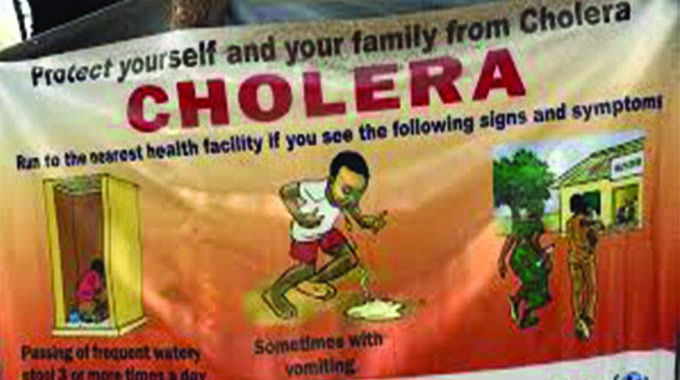
What is cholera and how is it spread?
Cholera is an acute diarrhoeal infection caused by bacteria and it can kill within hours if untreated.
This occurs when one consumes food and water contaminated with cholera bacteria. The first cholera outbreak in the country in 2023 started on February 12, 2023, in Chegutu town, Mashonaland West Province. To date, cases have been reported in eight provinces of the country since the beginning of the outbreak excluding Matabeleland North and Midlands provinces.
Who is at risk?
Cholera affects both children and adults and can kill within hours if untreated.
People living in places with unsafe drinking water, poor sanitation and inadequate hygiene are at the highest risk for cholera.
What are the symptoms?
Cholera is an extremely infectious disease that can cause severe acute watery diarrhoea with or without vomiting. It takes between 12 hours and 5 days for a person to show symptoms after consuming food or water contaminated with cholera bacteria.
Most of those infected have no or mild symptoms and can be successfully treated with an oral rehydration solution. Cholera can cause death from dehydration (the loss of water and salts from the body) within hours, if not treated
Other symptoms include watery diarrhoea, vomiting, abdominal discomfort, and cramps in the abdomen, arms, or legs. Some cholera patients also suffer increasing dehydration which often leads to sunken eyes, inability to drink water or drink poorly, shock and loss of consciousness.
How can the spread be prevented?
Sustainable and effective cholera control requires comprehensive measures such as improved hand hygiene, handling of food and the drinking and usage of safe water. Members of the public must wash hands thoroughly with soap under running water before, during and after preparing food.
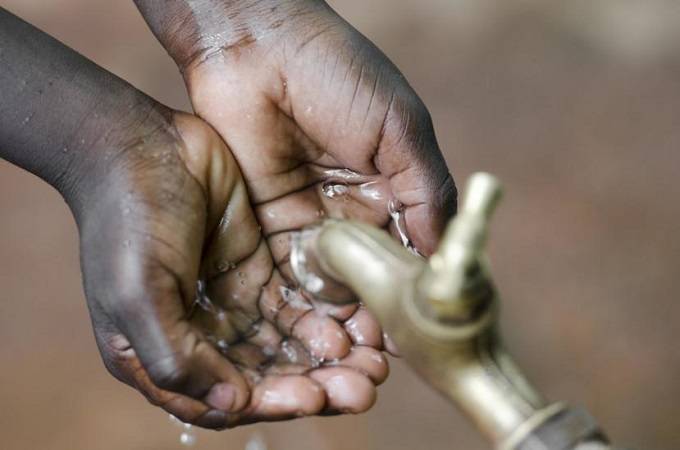
Hands should also be washed after eating and this includes those who feed children. Child carers should also wash their hands after cleaning a child’s bottom while everyone should also wash hands after using the toilet. Members of the public should also avoid drinking water from untrusted sources without boiling or treating it with chlorine as this increases their risk. Health experts also discourage the sharing of water drinking utensils like glasses and cups.
How is cholera treated and what measures should be taken once a family member develops cholera?
The sick person should drink lots of fluids such as the salt sugar solution made with safe water. Oral rehydration solutions (ORS) are available in some shops, pharmacies and local clinics and this can be taken immediately while seeking medical attention.
Children with cholera need to continue breastfeeding to replenish all the liquids that are lost while being rushed to the nearest health facility.
Homemade sugar-salt rehydration solution is made by 6 level teaspoons of sugar and ½ level teaspoon of salt added to 1 litre of safe water.
Additional information was sourced from the Ministry of Health and Child Care.


 Blessing Chizhande
 Online Reporter