Online Reporter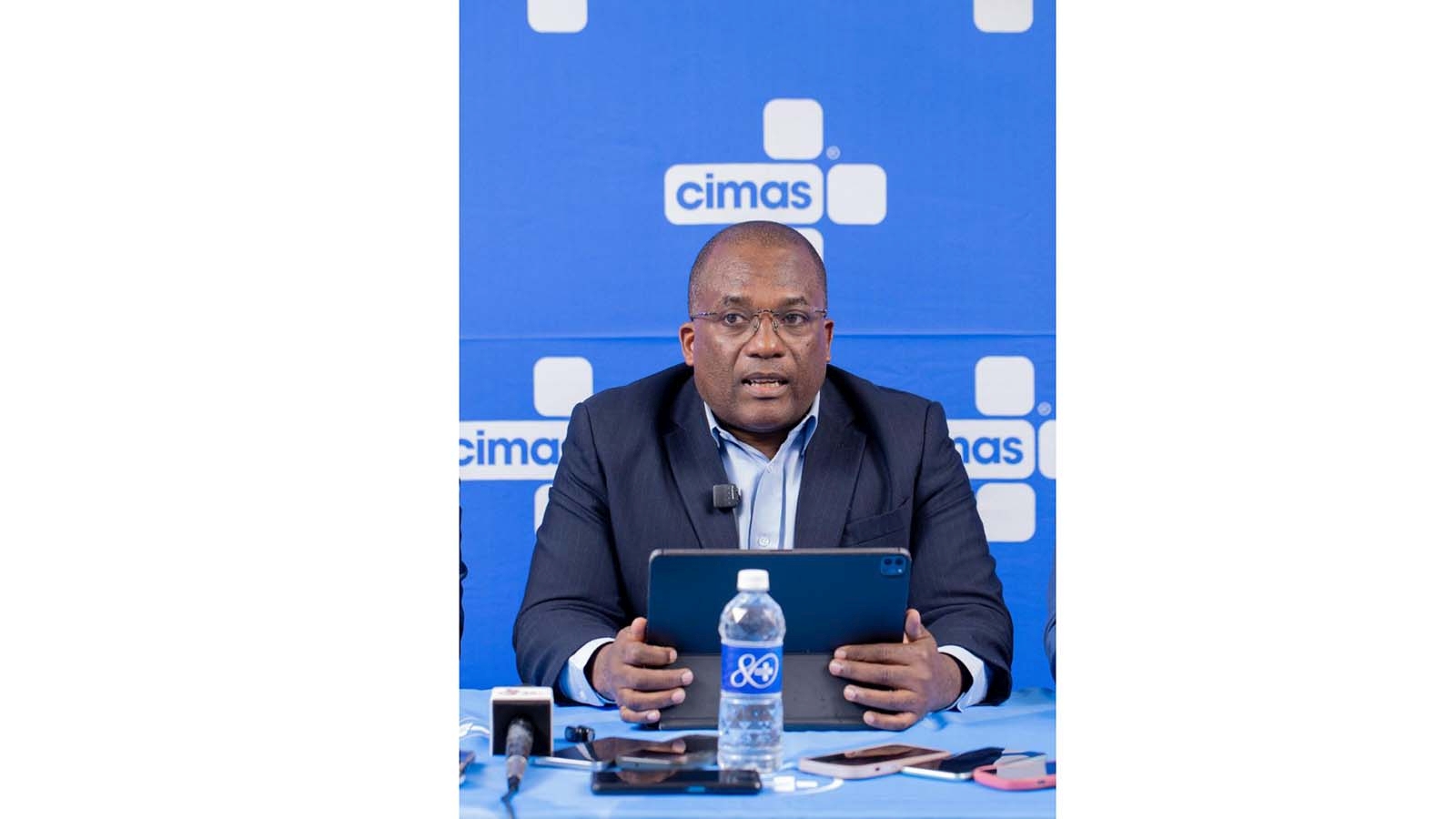
Ivan Zhakata
Herald Correspondent
CIMAS Health Group has launched the third edition of its national digital health innovation challenge, Healthathon 3.0 as part of its efforts to harness local technological solutions to address Zimbabwe’s healthcare challenges and accelerate digital transformation in the sector.
The competition, which carries a top prize of US$3 500, will run under the theme “Reimagining Healthcare Through Disruptive Innovation”.
Speaking at the launch in Harare on Wednesday, Cimas Health Group chief executive officer Mr Vuli Ndlovu said the initiative sought to identify practical, scalable and locally relevant innovations capable of improving healthcare access, affordability, service delivery and patient outcomes.
He said the healthcare sector was facing growing challenges, including rising costs, limited access to services, fragmented data systems and operational inefficiencies, making innovation increasingly important.
“Through the Healthathon challenge, we are demonstrating our commitment to addressing some of the complex and evolving challenges facing our country’s healthcare sector, including affordability constraints, limited access to healthcare services, fragmented data systems, delayed service delivery, low preventive healthcare engagement, operational inefficiencies and rising healthcare costs,” said Mr Ndlovu.
He said the challenge has evolved into a national platform that brings together startups, innovation hubs, university technology teams, and independent innovators to develop solutions for Zimbabwe’s healthcare ecosystem.
Unlike previous editions, this year’s competition will feature a single, broad innovation challenge rather than multiple thematic categories.
Mr Ndlovu said the format was intended to give participants greater freedom to propose solutions across different healthcare domains.
“There will be no predefined categories, giving participants the freedom to reimagine healthcare from any perspective or angle,” he said.
“Participants are expected to bring forward imagination, originality, technical rigour and practical solutions capable of driving meaningful change within Zimbabwe’s healthcare ecosystem.”
The competition will culminate in a national Demo Day on August 28, where shortlisted teams will pitch their innovations before a panel comprising Cimas executives, innovation experts and industry stakeholders.
The winning team will receive US$3 500, while second and third place winners will receive US$2 000 and US$1 500, respectively.
Mr Ndlovu said participants would also have an opportunity to pilot their innovations with Cimas Health Group.
“Beyond the monetary prizes, participants stand to gain something even more valuable, the opportunity to pilot their innovations with Cimas Health Group and contribute to shaping the future of healthcare in Zimbabwe,” he said.
Cimas Health Group chief information officer Mr Foster Akaketwa said participation was open to Zimbabwean startups, innovation hubs, university technology teams and independent product teams.
Teams will be required to consist of between three and five members and submit applications through an online platform.
Mr Akaketwa said the selection process would initially shortlist 20 teams before narrowing the field to six finalists.
“Teams are allowed to choose their own problem area, but must show why the problem is material, who it affects, and why their solution is viable,” he said.
To qualify, participants must demonstrate that their solutions address challenges within Zimbabwe’s healthcare system and are capable of being developed into functional prototypes within the stipulated timeframe.
Mr Akaketwa said originality would be a key consideration during the evaluation process.
“Submitted solutions must be unique and should not merely replicate existing platforms without significant adaptation, improvement, or contextual innovation,” he said.
The Healthathon has become a strategic innovation platform aimed at generating pilot-ready digital health solutions that can contribute to improving healthcare delivery and strengthening Zimbabwe’s healthcare system.



 Peter Tanyanyiwa