Online Reporter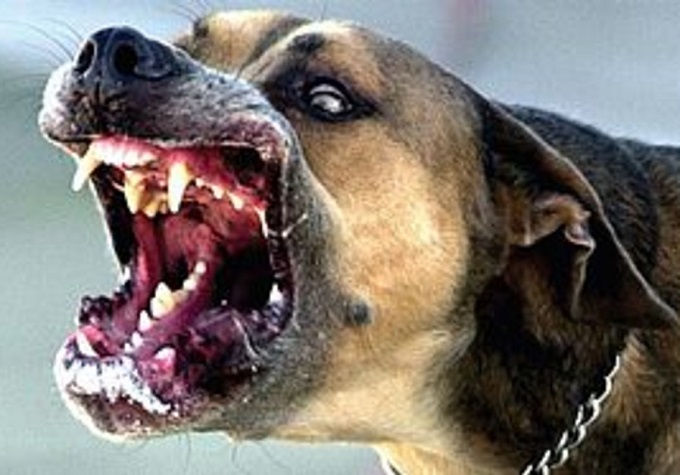
Tendai Gukutikwa
Health Reporter
THE City of Mutare has issued an urgent public health alert after a dog in the community tested positive for rabies, urging residents to take immediate precautions to protect themselves, their families and pets from the deadly disease.
City of Mutare’s principal corporate communications officer, Mr Charles Sadondo, said residents should treat the alert seriously and avoid unnecessary contact with stray, wild or unfamiliar animals.
“A dog in our community has recently tested positive for rabies. Residents are therefore urged to take precautionary measures with immediate effect.
“Rabies is a viral disease that affects the nervous system of mammals, including humans, and is fatal once symptoms appear.
“It is transmitted through the saliva of an infected animal, usually via bites, scratches or licks on broken skin,” said Mr Sadondo.
He urged residents to ensure that their dogs and cats have valid rabies vaccinations, describing vaccination as the most effective barrier against the spread of the disease.
“Please ensure that all dogs and cats have up-to-date rabies vaccinations. This is the single most effective barrier against the disease,” he said.
Mr Sadondo also warned residents against approaching, touching or feeding stray, wild or unfamiliar domestic animals, even when the animals appear calm or friendly.
“Residents should not approach, touch or feed stray, wild or unfamiliar domestic animals, even if they appear friendly,” he said.
He said people should also be alert to unusual animal behaviour that could indicate rabies and immediately report suspicious or stray animals to the council or veterinary authorities.
“Residents should look out for signs of rabies, such as excessive drooling, difficulty swallowing, unprovoked aggression, unusual fearlessness or sudden paralysis.
“Any stray or acting-out animals should be reported to council or veterinary services immediately,” said Mr Sadondo.
The city also urged residents to keep their pets properly contained to reduce their chances of coming into contact with potentially infected animals.
“Keep your dogs on a leash during walks and secure them within your property to prevent contact with potentially infected animals,” said Mr Sadondo.
Mr Sadondo said anyone bitten should immediately clean the wound and seek medical attention.
“If you or someone is bitten, wash the affected area thoroughly with soap and plenty of running water for at least 15 minutes and proceed to the nearest clinic immediately,” he said.
The wound should be washed even when the bite appears small or superficial because proper wound cleaning can substantially reduce the amount of virus at the site of exposure.
He said people should also avoid attempting to capture or handle an unfamiliar animal that has bitten them.
Instead, the incident should be reported to the relevant veterinary or local authorities so that the animal can be assessed safely.
The City of Mutare is therefore encouraging residents to remain vigilant while also taking advantage of the routine vaccination programmes conducted jointly with the Department of Veterinary Services.
The city said protecting pets through vaccination was not only a responsibility to individual animal owners, but also an important public health measure for the wider community.
As part of its ongoing public health measures against rabies, the City of Mutare, in collaboration with the Department of Veterinary Services, routinely conducts week-long dog rabies vaccination exercises in various suburbs across the city.
The campaigns are conducted in different months at scheduled times and locations and cover communities in both high-density and low-density suburbs, as well as settlements on the outskirts of the city.
The vaccination exercises are aimed at increasing protection among the city’s dog population and reducing the risk of rabies spreading from animals to people.
Mr Sadondo said during such exercises, dog owners are encouraged to take advantage of the vaccination campaigns and ensure their animals are vaccinated.
The vaccination fee is usually US$1 per dog and includes a vaccination certificate, making it relatively affordable for residents to protect their pets and communities.
Rabies is caused by a virus that attacks the central nervous system and can affect domestic and wild mammals.
The World Health Organisation states that dogs remain an important source of human rabies infections in many parts of the world, making responsible pet ownership, vaccination and prompt reporting of suspicious animals important components of disease prevention.
“Once the rabies virus enters the body, it can travel through the nervous system towards the brain.
The incubation period can vary, meaning an infected person may not immediately develop symptoms after being exposed.
“The risk of infection is particularly serious following a bite from an animal suspected of having rabies.
“Scratches that break the skin and saliva coming into contact with broken skin or mucous membranes can also present a risk,” states WHO.
It further says that early symptoms can be non-specific and may include fever, weakness, headache and discomfort or unusual sensations around the site of the bite.
As the infection progresses, severe neurological symptoms can develop, including confusion, agitation, difficulty swallowing, excessive salivation, hallucinations and paralysis. Once clinical symptoms appear, rabies is almost invariably fatal.
However, exposure to rabies does not mean a person must develop the disease.
Prompt medical attention after a possible exposure can prevent rabies from developing.
This is why residents have been urged not to wait for symptoms following an animal bite or other potentially risky exposure.