Online Reporter
Theseus Shambare
LEADING civil society voices have issued a powerful call for a radical transformation of the global financial architecture, emphasising reparative justice, debt cancellation and equitable resource distribution.
The demands come as the nation prepares for the National Dialogue on Financing for Development (FfD4) conference in Spain next month.
These sentiments were made on Tuesday at a national dialogue that brought together key stakeholders to address systemic inequalities that continue to burden the Global South.
Speakers underscored the urgent need to overhaul a system they described as inherently unjust.
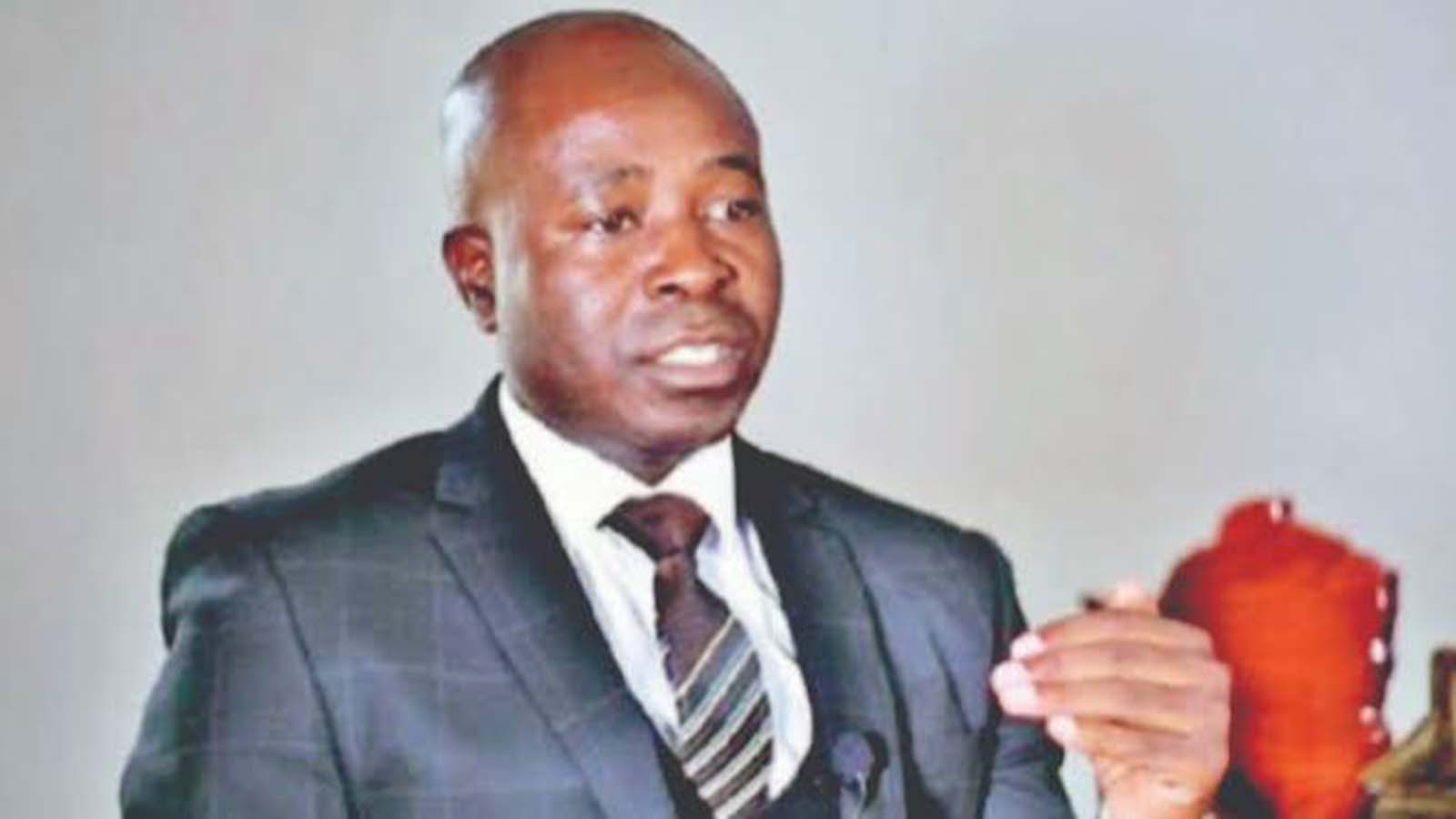
In an interview on the sidelines of the dialogue, ActionAid Zimbabwe country director Mr Joy Mabenge underscored the nation’s struggle with sovereign debt.
“Zimbabwe and many other countries are actually burdened by debt. Before we talk about continuing to borrow, we must retire the debt that we already owe,” Mr Mabenge said.
Mr Mabenge highlighted the pervasive issue of tax evasion by corporations and wealthy individuals, arguing that it significantly curtails the Government’s capacity to provide essential public services.
He urged the Government to “institute measures that make it possible for them to actually lock the leakages that we see in the tax system.”
Zimbabwe Coalition on Debt and Development (ZIMCODD), executive director Mr John Maketo provided a stark assessment of the global financial system’s inherent imbalances.
Mr Maketo pointed out the disproportionate power of a few affluent nations within international financial institutions, where decisions are often made without adequate representation from African countries.
“We cannot fund sustainable development with unsustainable systems. The global financial system needs a radical transformation rooted in equity, transparency and justice.”
He stressed that the FfD4 process “must be shaped by the voices of those who bear the brunt of exclusion and poverty.”
Mr Maketo demanded reparations for historical injustices, asserting that debt cancellation presents an “immediate low-hanging fruit” for former colonial powers to begin rectifying past wrongs, including “slavery, colonialism, looting and extractivism”.
Reverend Taurai Maforo, a social and economic justice advocate for the Zimbabwe Council of Churches (ZCC), advocated for a theological imperative for change.
“Short-term bailouts do not make sense and are not sustainable,” Rev. Maforo stated, describing the current moment as a “kairos moment for justice”.
“Reparations are not merely as restitution for past wrongs, but as a transformative mechanism that looks at inclusive, equitable and sustainable development as well as faith-rooted financing framework grounded in God’s justice.”
He condemned the prevailing dominant global economic paradigms that elevate profit over people, extraction over equity and consumption over creation care, advocating for a reparative theology of development that fosters partnership, sharing and inclusion.
The collective sentiment from the dialogue was clear: the upcoming FfD4 conference must move beyond rhetoric to implement concrete actions that dismantle the existing structurally unjust financial order and usher in an era of true global financial justice.