daniel chigunwe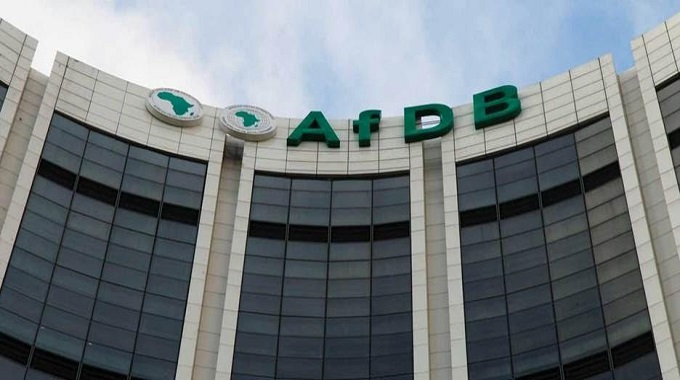
Enacy Mapakame
As the continent and Zimbabwe “joined hands” in celebrating Africa Day on May 25, civil society has raised concerns towards Africa’s deepening debt entanglement, with debt levels having increased by a staggering 183 percent since 2010, further threatening growth prospects.
For example, Zimbabwe pegs its total public and publicly guaranteed (PPG) debt at US$17,7 billion, as at end September 2023, of which external debt amounted to US$12,7 billion and domestic debt of US$5 billion.
In their latest Economic Outlook Report released during the annual general meetings this week, the African Development Bank (AfDB) has cited Zimbabwe’s debt burden as one of the thorny issues that slow growth and affect the country’s potential to unlock foreign direct investment, a challenge prevalent across the African continent.
Late last year, the International Monetary Fund (IMF) released a list of 10 African countries with the highest debts to the institution with Egypt topping the list with a US$11,9 billion debt followed by Angola at US$3 billion.
According to the African Forum and Network on Debt and Development (AFRODAD), African nations will spend a total of $74 billion on debt service in 2024 alone, or a staggering $203 million in daily repayment terms.
“This is indeed a remarkable time for Africa, with the African Union attaining membership in the influential G20 group; Egypt being Chair of the Tax Ad Hoc Committee (tax negotiations); Burundi- Co-Chair of the Fourth International Conference on Financing for Development (FfD4) process; South Africa- Co-Facilitator of the 2024 FfD Forum; Ethiopia- host of the first preparatory session towards FfD4 Outcome negotiations; Rwanda hosting the Third United Nations Conference on Landlocked Developing Countries (LLDC3), Uganda chairing G77 and Namibia- Co-Facilitator of the Summit of the Future (SOFT) negotiations,” said Jason Braganza, executive director of AFRODAD in a solidarity message to mark Africa Day.
‘‘These influential platforms provide the continent with a historic opportunity to assert its role as a ‘rule maker’ in solving the crippling debt crisis and addressing other pressing challenges facing Africa,” said Braganza.
Despite these promising advancements, the continent’s ballooning debt and its oppressive servicing costs are severely undermining Africa’s ability to promote inclusive growth and sustainable development, as envisioned in the Agenda 2063 ‘‘The Africa We Want’’.
Compounding this challenge, credit rating agencies continue to oppress African nations through negative ratings, leading to exorbitantly high interest rates and an unrelenting struggle for governments to repay debt while honouring their social contracts with citizens.
On this momentous occasion of Africa Day, AFRODAD and its partners across the continent celebrate Africa’s increased influence in shaping policy in global arenas.
However, they also underscore three key demands to address the debt crisis, for instance, creditor nations must unconditionally cancel all of Africa’s debts, with the proceeds channelled directly into productive ventures that are subject to clear performance evaluation and monitoring.
AFRODAD also highlights that urgent reform of the global debt architecture is imperative to equalise loan contraction processes, including the overhaul of debt sustainability frameworks and credit rating assessments.
Additionally, the African Union, backed by African leaders, civil society organisations, media, and the people of the continent, must firmly advance Africa’s rule-making position on the global stage, asserting the continent’s sovereignty and self-determination, according to AFRODAD.
The Zimbabwe Coalition on Debt and Development (ZIMCODD) are of the view that inclusion remains a key brick to unlocking Africa’s potential, especially at a time the region is battling the adverse impacts of climate change, which has added to the debt burden.
“While strides have been made for the inclusion of women and youth in governance and socioeconomic discourse, a lot more remains. These two blocks represent more than half of the population and hence demand meaningful representation in leadership positions and the workforce.
“Africa remains the most vulnerable to Climate Change due to its reliance on rain-fed agriculture.
Droughts and natural disasters have become more common, placing a demand on Governments to improve financing of climate change initiatives and develop innovative domestic resource generation,” said ZIMCODD.
The civil society organisation further highlighted that the region faces twin problems of corruption and resource leakages. According to ZIMCODD, the effects of political patronage from leaders and illicit financial flows depreciate Africa’s potential for Domestic Resource Mobilisation (DRM).



 Online Reporter