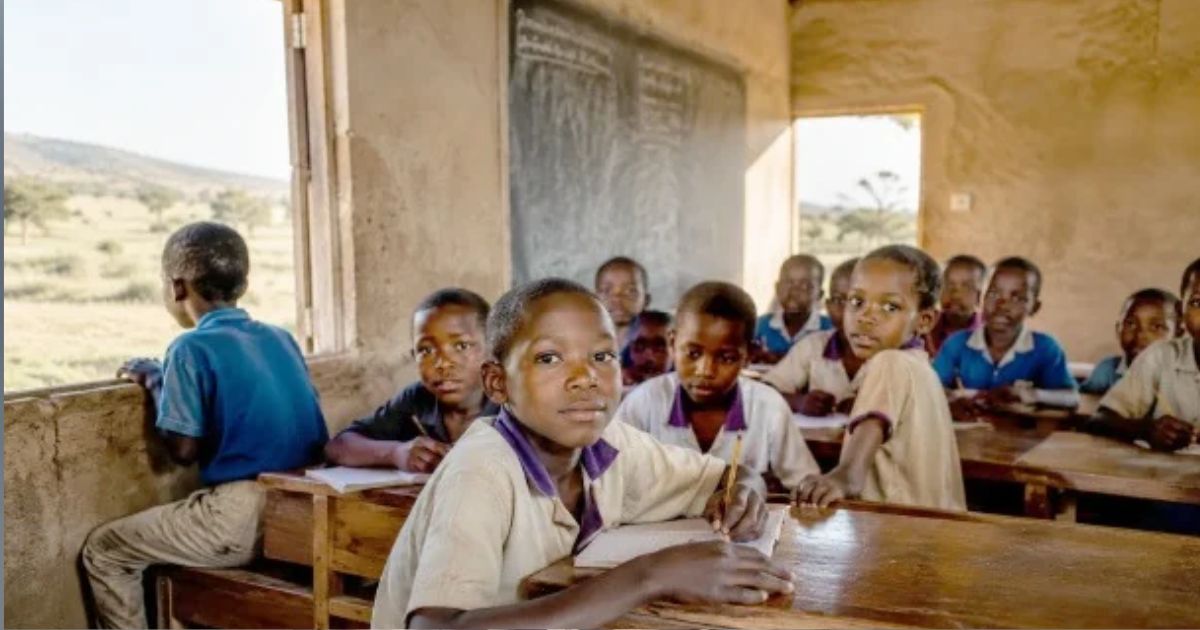
SCHOOLS are closing and for thousands of learners across Zimbabwe, the 2026 academic year is drawing to an end.
Zimsec and other local examinations are over. Classrooms are becoming quieter, school bags are being put away and thoughts are turning towards the December holiday. For some learners, this is a moment of relief and excitement.
For others, it is a period of anxiety as they wait for results or reflect on an academic year that did not go as planned.
Whatever your experience has been, this is the right time to pause and reflect. Do not allow the closing of schools to become the closing of your thinking.
The end of an academic year offers an important opportunity to examine your progress, acknowledge your mistakes, celebrate your achievements and make deliberate plans for the future.
First, ask yourself a simple but important question: did I perform to the best of my ability? If you did well, congratulations. Take pride in your hard work, commitment and determination.
However, success should not make you complacent. Identify the habits and choices that helped you achieve your results, and make a commitment to sustain them. If you did not perform as expected, do not allow disappointment to define you. One examination, one subject or one difficult term does not determine the whole of your future.
Be honest about what went wrong. Did you struggle to manage your time? Were you distracted by social media, excessive phone use or unhelpful friendships? Did you postpone studying until examinations were approaching? Did you attend lessons but fail to revise afterwards?
Were there topics you never understood but were afraid to ask about? Perhaps you lacked a quiet place to study, learning materials or support.
Understanding the real reasons behind poor performance is the first step towards improvement. Avoid blaming everyone else before examining the choices and circumstances that you can change.
Write down what needs to improve. Do not simply say, ‘I will work harder next year.’ Be specific.
You may need to read for at least an hour each day, complete homework on time, ask teachers for help when a topic is unclear, practise past examination questions, improve your handwriting or attend extra lessons where necessary.
If a particular subject was challenging, identify the exact topics that gave you problems. A clear plan is more useful than a general promise.
The December holiday is another important part of this reflection. What are you planning to do with your time? Holidays are meant for rest, recreation and spending time with family, but they should not become weeks of idleness or risky behaviour.
Enjoy yourself responsibly. Be mindful of the company you keep, the places you visit and the decisions you make.
Avoid alcohol and drug abuse, dangerous activities, violence and reckless behaviour. A moment of excitement is never worth putting your health, safety or future at risk.
Use part of the holiday to do something meaningful. Read books, develop a talent, learn a practical skill, help at home, participate in community activities or explore a career that interests you. You could learn basic computer skills, improve your communication, practise a sport, develop an artistic ability or start understanding how to manage money.
Small investments in yourself can produce lasting benefits. Remember that learning does not take place only inside a classroom.
Most importantly, start thinking about 2027 now. What kind of learner do you want to become? What grades are you aiming for? Which subjects require greater attention? What habits must you leave behind? What new habits should you develop?
If you are moving to another class, school or level of education, what will you do differently? If you have completed an important examination stage, begin exploring the next steps available to you, including further education, vocational and technical training and other pathways that match your interests and abilities.
Ask yourself another challenging question: am I moving in the right direction? Your friends, social media trends and the pressure to fit in should not determine your future. You need personal goals and the discipline to pursue them. The choices you make today can influence the opportunities available to you tomorrow. Surround yourself with people who encourage positive growth, seek guidance from parents, teachers and mentors and do not be afraid to ask for help.
Parents and guardians also have a role to play. Instead of focusing only on marks, create time to talk to your children about what they learned, what they found difficult and what support they need.
Listen without immediately condemning them. Work with them to set realistic goals for the coming year. A learner who feels supported is more likely to develop the confidence to confront challenges and improve.
Reflection must lead to action. Consider writing a short personal review under four headings: what went well, what did not go well, what I need to improve and what I will do differently in 2027. Keep the review somewhere safe and revisit it during the holiday. Share your goals with someone you trust who can encourage you and help you remain accountable.
Do not wait for the first day of school in 2027 to decide that you want to change. The right time to begin is now.
Rest, enjoy your holiday and celebrate responsibly, but also invest in your mind, character and future. Your results matter, but so do your attitude, discipline, values, skills and willingness to learn from experience.
The school year may be ending, but your journey is continuing.
Take time to reflect. Be honest about where you are, decide where you want to go and take practical steps to get there.
Make 2027 a year of purpose, growth and improved performance. Your future will not be shaped by wishes alone, but by the decisions and actions you begin taking today.
Dr Manners Msongelwa is an author, teacher and youth coach. He can be contacted on +263 771019392.