Peter Tanyanyiwa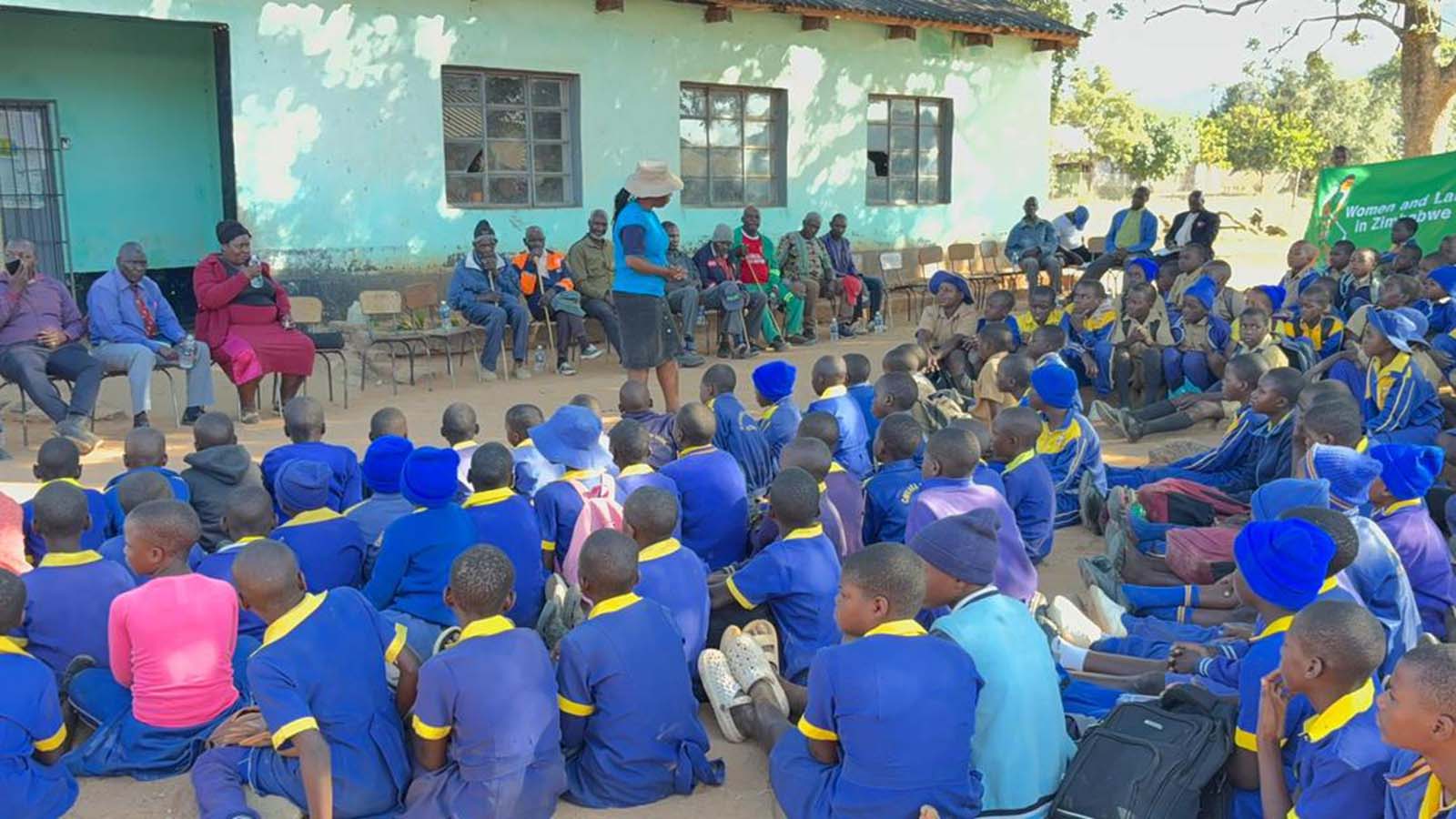
Peter Tanyanyiwa
Herald Reporter
Learners at Chivaka Primary School in Bikita District are set to benefit from improved sanitation facilities following the handover of construction materials for a new climate-resilient toilet block to replace infrastructure destroyed by flash floods.
The intervention, spearheaded by the African Youth Initiative on Climate Change Zimbabwe (AYICC-Zim) in partnership with Women and Land in Zimbabwe and the African Climate Justice Movement (ACJM), seeks to restore dignity, improve learner welfare and strengthen resilience against climate – induced disasters.
The project will see the construction of a 16-squat-hole toilet block, including two disability-friendly cubicles, at the rural school, which suffered extensive damage to its sanitation facilities following flash floods linked to extreme weather events.
Funding for the project was provided through solidarity funds from ACJM and is being implemented jointly by AYICC-Zimbabwe and Women and Land in Zimbabwe.
Chivaka Primary School was identified as a priority beneficiary by the District Development Coordinator’s office and the Ministry of Primary and Secondary Education after the floods left learners without adequate access to safe sanitation facilities.
The handover ceremony was attended by Government officials, traditional leaders, local authorities, school administrators, community members and representatives of the partner organisations, highlighting the growing importance of collaborative climate adaptation efforts in vulnerable communities.
Speaking at the event, AYICC-Zimbabwe national coordinator, Mr Jean-Bertrand Mhandu, said the initiative was a practical demonstration of climate justice in action.
“Climate change is no longer a future threat; it is a lived reality for communities such as Chivaka,” he said.
“The destruction of sanitation facilities by flash floods disrupted learning and compromised the dignity and well-being of children.
“Through this intervention, we are not only restoring infrastructure but also advancing climate justice by ensuring vulnerable communities receive the support they need to recover and build resilience.”
Mr Mhandu said there was an urgent need to invest in climate-resilient infrastructure capable of withstanding increasingly frequent extreme weather events.
“We must move beyond responding to disasters and begin investing in adaptation measures that strengthen community resilience. Rural schools remain among the most exposed institutions, yet they are central to sustainable development and the future of our country,” he said.
AYICC – Zimbabwe Community Development Officer, Ms Diana Heywood, said the project underscored the importance of community-centred climate action.
“The impact of climate change is often most severe on those with the least resources to recover,” she said.
“By working directly with communities, local authorities and schools, we are helping create sustainable solutions that respond to immediate needs while strengthening long-term resilience.”
Ms Heywood said the improved sanitation facilities would positively impact learner health, attendance and educational outcomes.
“We are particularly pleased that the new facilities will include disability-friendly cubicles, ensuring inclusivity and dignity for all learners. Climate justice must leave no one behind,” she said.
Women and Land in Zimbabwe representative Ms Bridget Masikati, said climate-induced disasters often disproportionately affect women, girls and people living with disabilities.
“The climate crisis is also a social justice issue. When sanitation facilities are destroyed, girls and children living with disabilities often face the greatest challenges,” she said.
“This project demonstrates the value of partnerships in addressing inequalities that are worsened by climate change.”
She encouraged communities to strengthen local climate adaptation initiatives and promote environmental stewardship among young people.
During the handover ceremony, learners expressed gratitude through speeches and poetry, sharing their experiences following the destruction of the school’s sanitation facilities and their hopes for improved learning conditions.
Stakeholders later toured the site to assess the flood damage and inspect the location earmarked for the new toilet block.
According to project partners, the initiative highlights the role of collaboration between civil society organisations, Government institutions and local communities in responding to climate-related disasters while improving educational outcomes.
Once completed, the new sanitation block is expected to significantly improve hygiene standards, learner health and school attendance.
However, stakeholders noted that the school’s pupil-to-squat-hole ratio remains high, underscoring the need for continued investment in climate-resilient infrastructure for rural schools as climate-related disasters become more frequent and severe.



 Online Reporter