Online Reporter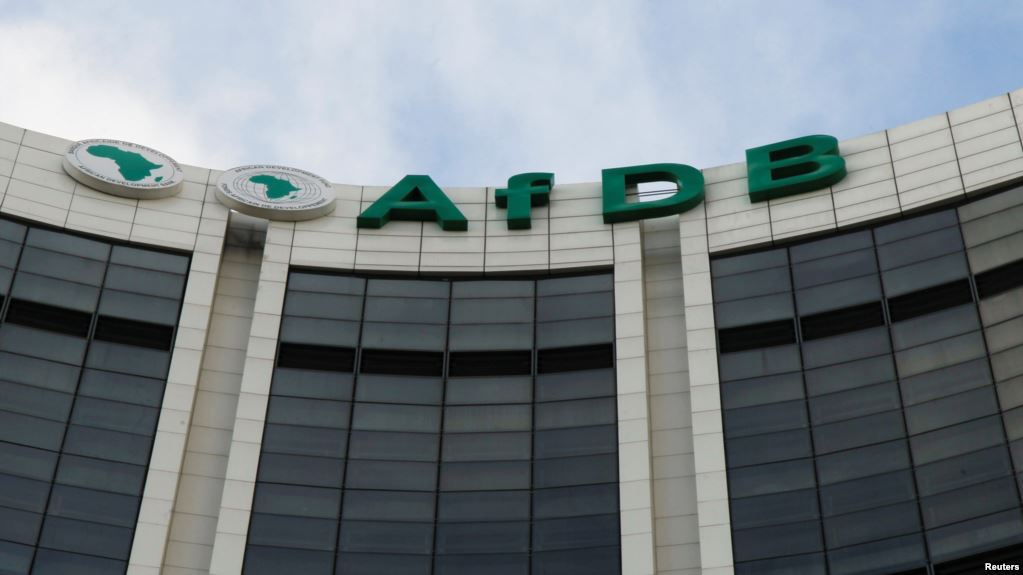
Obey Musiwa
Herald Reporter
GOVERNMENT has launched a four-year project to enhance resilience and adaptation to climate risks, with focus on vulnerable groups and improving the country’s capacity to plan, prepare and respond to extreme weather events.
Building on a successful outreach project implemented from 2019 to 2024, the new initiative, with the support of the African Development Bank (AfDB) and collaboration from civil society and the private sector, will increase institutional capacity for climate risk preparedness and management.
In a speech read on his behalf by Civil Protection Unit director Mr Jonathan Nkomo, Local Government and Public Works Minister Daniel Garwe said the project will improve capacity to plan, prepare and respond to extreme weather events as the nation endeavours to achieve sustainable development and attain Vision 2030.
“As you may be aware, this project is building on yet another successful outreach project implemented from 2019 to March 2024, again with the primary objective of enhancing the country’s resilience in response to climate shocks through improved capacity building to manage climate disaster risk,” he said.
“The project was implemented through comprehensive capacity building for key institutions on climate and disaster risk financing and developing key instruments necessary for implementing climate risk financing, including the disaster risk finance strategy.”
The minister expressed gratitude to the African Development Bank (AFDB) for impeccable support and partnerships in this critical initiative.
“I also appreciate the collaboration and commitment of our stakeholders, including government agencies, civil society organisations, and the private sector,” he said.
“I ask them to implore all Government agencies, United Nations entities and agencies involved in this project to inculcate a spirit of collaboration in the implementation of the OFA-Hacking Project to ensure that all the components are effectively completed within the project lifecycle.”
Minister Garwe highlighted on the protection against climate disaster risks and promoting the adoption of index-based crop insurance.
“With support from the African Development Bank and state collaboration, the project aims to capacitate disaster risk management systems from the village to the national level, ultimately contributing to sustainable development goals and Vision 2030.”
AfDB country programmes officer Ms Belinda Chesire expressed oy for being part of the official launch of the Mitigating Fragility through the African Disaster Risk Financing Programme.
“This occasion is especially significant as the project was approved through a highly competitive process,” she said.
“The approval of this follow-on support allows the government to scale up on those earlier successes and leverage complementary contributions from partner organisations present here, and this new project with a total budget of $14,5 million will pursue three key outcomes.”
She said in response to the El Nino-induced drought, Zimbabwe received a payout of about US$16,8 million.
“This was 2024, it was made possible through the support of the bank and its partners in financing the country’s drought insurance premium,” she said.