Online Reporter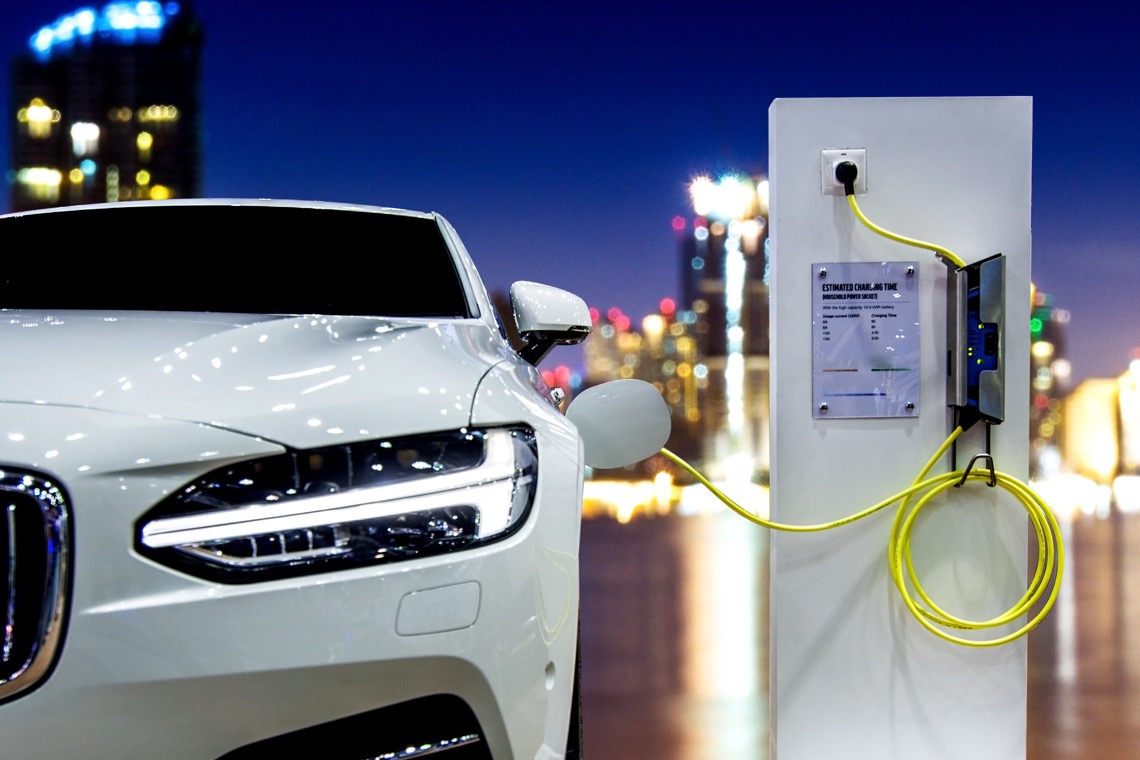
Business Reporter
The Central Mechanical Equipment Department (CMED) is pivoting its medium-term strategy towards the electric vehicle (EV) market by establishing a new sales unit for Battery Electric Vehicles (BEVs) and e-buses, as well as starting local assembly of low-speed electric vehicles (LSEVs).
The State enterprise’s 2026-2030 strategy marks a significant step towards fulfilling the Government’s National Development Strategy 2 (NDS 2) goals for sustainable transportation.
The new sales unit for BEVs and e-buses will target key institutional buyers, including ministries, departments, agencies (MDAs), parastatals and state enterprises, corporates, as well as individuals.
A fully electric double-cab pick-up is currently undergoing trial runs for potential integration into the CMED fleet and subsequent commercial sale. Leveraging skills acquired from India, CMED has started working on the first Neighbourhood Electric Vehicle (NEV) at its Coventry branch.
These NEVs will have a top speed of 40 kilometre (km) per hour and a range of 80km, specifically targeting sectors like agricultural extension officers, rural transporters, farmers and golfers.
Recognising that infrastructure is the largest barrier to EV adoption, CMED has made a significant commitment to rolling out charging points nationwide.
The company has already installed 10 charging piles in Harare and Victoria Falls, achieving an estimated 15 percent of its 2025 rollout target.
CMED will prioritise the expansion of the charging network countrywide to support the anticipated growth in e-mobility.
CMED has also highlighted two major challenges threatening to derail the EV strategy. These include the high initial cost of EVs and erratic power supply.