Online Reporter
Sukulwenkosi Dube-Matutu [email protected]
Coal transporters have emerged as the leading defaulters in the movement of dangerous goods on public roads in Matabeleland South, after a week-long highway enforcement operation by the Environmental Management Agency (EMA) revealed widespread non-compliance among operators in the sector.
The operation, conducted by EMA’s Gwanda office and the Beitbridge Border Post station, was part of intensified patrols aimed at enforcing regulations that govern the transportation of hazardous substances across the province’s major transport corridors.
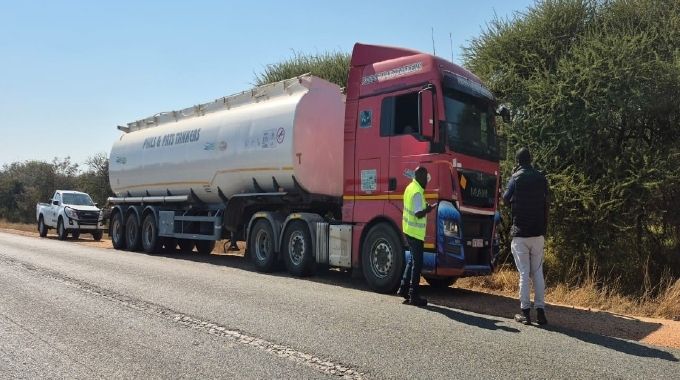
In a statement, EMA Matabeleland South Environmental Education and Publicity Officer Mr Simon Musasiwa said the exercise targeted compliance with environmental laws and public safety standards, with a particular focus on the Beitbridge–Masvingo, Beitbridge–Bulawayo and Bulawayo–Shangani highways.
“We conducted an intensive highway patrol operation aimed at monitoring the transportation of hazardous substances, enforcing environmental laws, and safeguarding public safety along Zimbabwe’s major transport corridors,” he said.
“Under the operation, which ran for a week, two dedicated patrol teams were deployed to cover key highway routes which include Beitbridge–Masvingo, Beitbridge–Bulawayo, and Bulawayo–Shangani highways.”
During the patrols, officers inspected a total of 109 vehicles and transport operators.
The agency recorded an overall compliance rate of 74.3 percent, with 81 operators found to be fully compliant with environmental and safety standards.
However, 28 operators committed various infractions, resulting in 29 recorded offences.
Mr Musasiwa said the primary violation was the transportation of hazardous substances without a valid licence, which accounted for 27 of the 29 cases recorded.
Other offences included the failure to properly label and placard vehicles carrying dangerous goods, as well as littering along the highways.
“The exercise identified coal transporters as the major defaulters, accounting for the highest proportion of non-compliance cases involving unlicensed hazardous material transit,” he said.
“Other hazardous substances involved in violations included diesel, petrol, and mixed chemicals.”
He explained that the movement of dangerous goods and hazardous materials on public roads in Zimbabwe is strictly governed by statutory legislation designed to prevent chemical spills, environmental contamination and risks to human health.
The key legal instruments include the Environmental Management Act [Chapter 20:27] and the Environmental Management (Hazardous Substances, Pesticides and Toxic Chemicals) Regulations S.I 268 of 2018, which set out clear obligations for transporters.
“These regulations require that all vehicles transporting hazardous substances must be licensed, properly placarded and labelled, and operated by drivers who understand the risks associated with the materials they are carrying,” he said.
“Failure to comply not only exposes the environment to potential contamination but also puts the lives of motorists and communities along transport routes at risk.”
While acknowledging that the 74.3 percent compliance rate reflected growing adherence to the law, Mr Musasiwa said persistent violations among coal and fuel transporters remained a major concern for the agency.
He noted that coal trucks in particular were frequently moving without proper documentation, despite the volume and frequency of coal haulage between Hwange, Beitbridge and other industrial points.
To address the gaps, Mr Musasiwa said EMA has proposed a raft of measures aimed at improving enforcement and compliance.
These include increased joint patrols with other regulatory agencies along major highway corridors, and the introduction of pre-highway inspections to verify hazardous substance licences before vehicles depart border posts or industrial hubs.
“We will also be imposing stiffer measures and stricter penalties against repeat offenders to deter illicit transportation,” he said.
“At the same time, we will be rolling out education programmes for transport companies and drivers on their legal obligations regarding container labelling, placarding, and environmental safety.”
Mr Musasiwa further encouraged transport operators to take advantage of EMA’s online platform for issuing transportation and transit licences for hazardous substances, which he said was part of the agency’s ease-of-doing-business drive.
He added that licences are also issued at all district offices and that pre-clearance of transit materials is available to help operators regularize their movements before entering Zimbabwe.
“The agency remains committed to ensuring that hazardous substances are transported in a manner that protects both the environment and public health,” he said.
“We urge all transporters to comply with the law, because compliance is not only a legal requirement but also a responsibility to the communities we serve.”
The latest operation comes at a time when traffic volumes on Matabeleland South’s highways have increased due to cross-border trade and mining activity, making enforcement of hazardous goods regulations even more critical to preventing accidents and environmental damage.