Business Reporter
The Coca-Cola Company has reaffirmed its commitment to addressing pressing sustainability challenges across the COMESA region, with a focus on improving water access and ensuring resources are secure for future generations.
The commitment comes a day after the COMESA Green Industries Connect forum, where regional leaders, including Zimbabwe’s Minister of Foreign Affairs and International Trade, Hon. Prof. Amon Murwira, called for a fundamental overhaul of the continent’s economic rules and a return to indigenous circular practices. That forum emphasised that private sector investment must be at the centre of the region’s green transition.
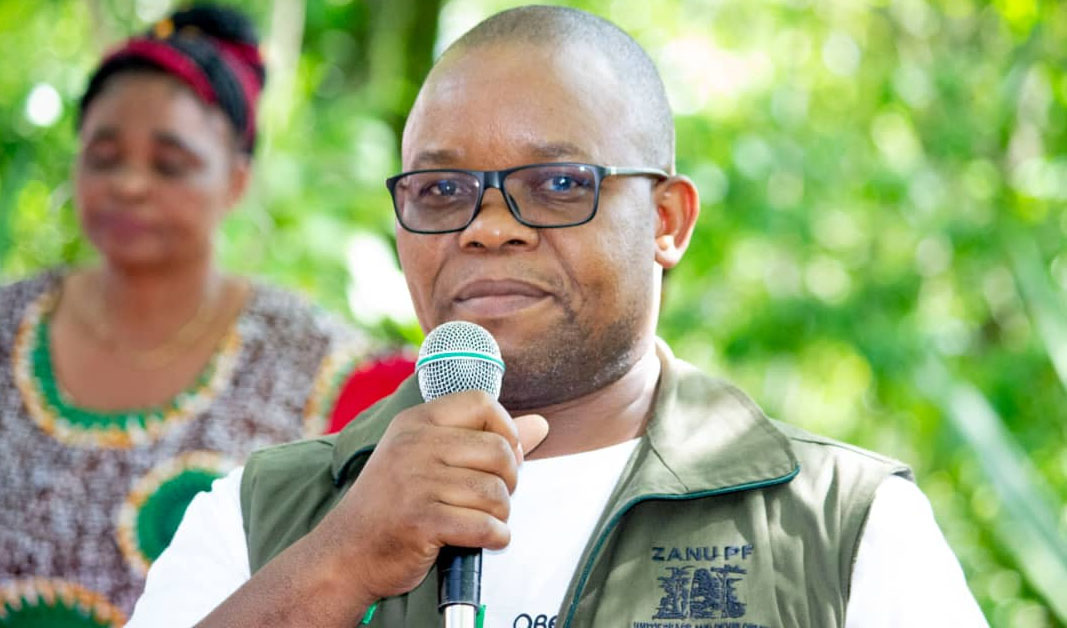
Delivering the investor perspective on doing business in COMESA at the 19th COMESA Business Forum, Mr Alfred Olajide, Vice President for East and Central Africa at The Coca-Cola Company, said the company’s contribution goes far beyond economic returns.
“Our relationships with suppliers, distributors and partners are a testament to the power of our contribution, which goes far beyond economic requirements,” Mr Olajide said. “We remain committed to addressing some of the most pressing challenges in this region.”
He pointed to the company’s water stewardship initiatives as a key example, noting that Coca-Cola is working to improve water access and address sustainability issues across Africa. “We are helping to ensure that resources relied on today are secure for future generations,” he said.
Mr Olajide also praised COMESA as a model for regional integration and trade facilitation. “COMESA has long stood as a shining example of what we can achieve through cooperation and trade facilitation,” he said. “This region represents a market with the very qualities we need to succeed. COMESA is more than just a market — it is a partner for trade, for the company, and for the people.”
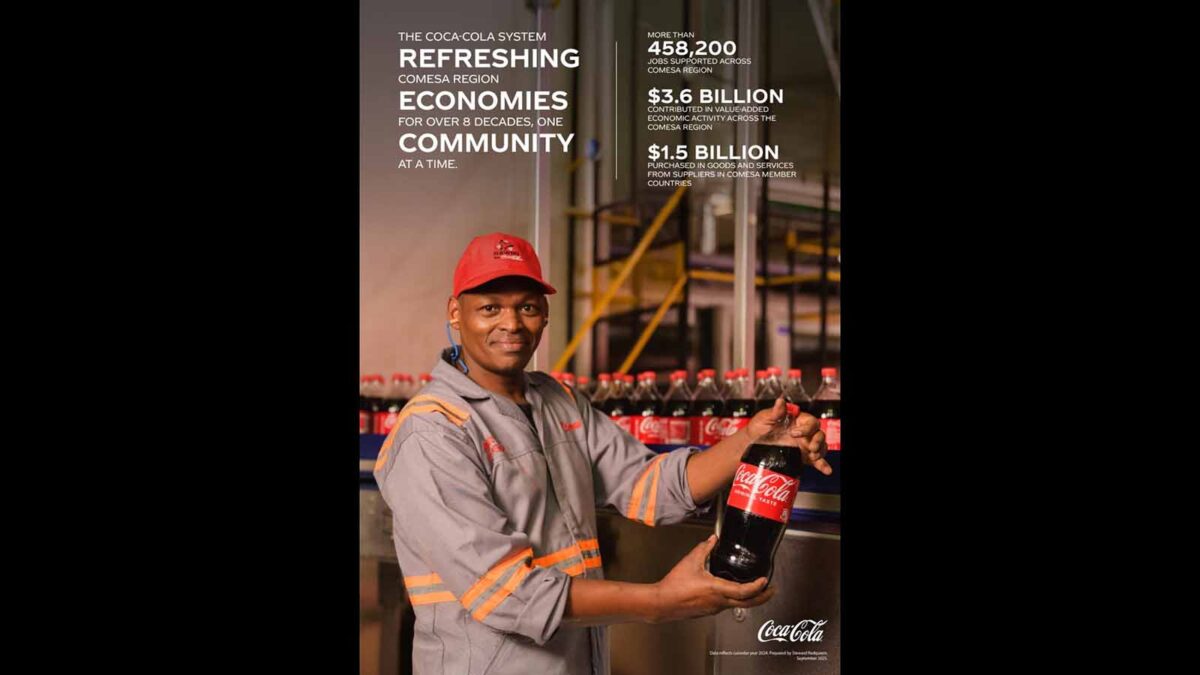
According to data presented by Coca-Cola, the company’s system operates 25 bottlers across the COMESA region and generated $3.6 billion in economic activity in 2024, including $1.5 billion spent on goods and services from suppliers in COMESA member countries. The system also supports over 458 200 jobs across the value chain, with every direct job supporting 28 more across the regional economy.
In closing, Mr Olajide expressed gratitude to the Government of Zimbabwe for hosting the platform and to governments across the region for their continued collaboration. “We have to make sure that the agenda is real — sustained development,” he said. “Opportunity created, shared and sustained. I look to the future with confidence that together we can build stronger economies and deliver lasting value.”
His address reinforced the forum’s central theme: that private sector investment, regional integration and sustainable development are interlinked drivers of economic growth across the continent.