Business Reporter
THE Coca-Cola system contributed US$3,6 billion in value-added economic activity across the Common Market for Eastern and Southern Africa region in 2024, representing 0,3 percent of the bloc’s Gross Domestic Product, according to a new independent socio-economic impact study released at the 19th COMESA Business Forum in Harare.
The study, conducted by global consultancy Steward Redqueen using a Multi-Regional Input-Output model, found that more than 458 200 jobs were supported throughout the company’s value chain, spanning agriculture, trade, manufacturing, transportation and services.
For every direct job created by the Coca-Cola system, 28 additional jobs were supported across the broader economy.
“As this study shows, the Coca-Cola system continues to deliver substantial economic impact in COMESA, creating opportunities through local partnerships, investments and supply chains,” said Mr Luis Felipe Avellar, president of Coca-Cola’s Africa Operating Unit in a press release.
“The 19th COMESA Business Forum is an important platform to showcase how businesses like those that comprise the Coca-Cola system contribute to sustainable economic development in Africa.”
The system spent almost US$1,5 billion on goods and services from suppliers in COMESA markets, strengthening local industries such as sugar production, packaging, logistics and marketing.
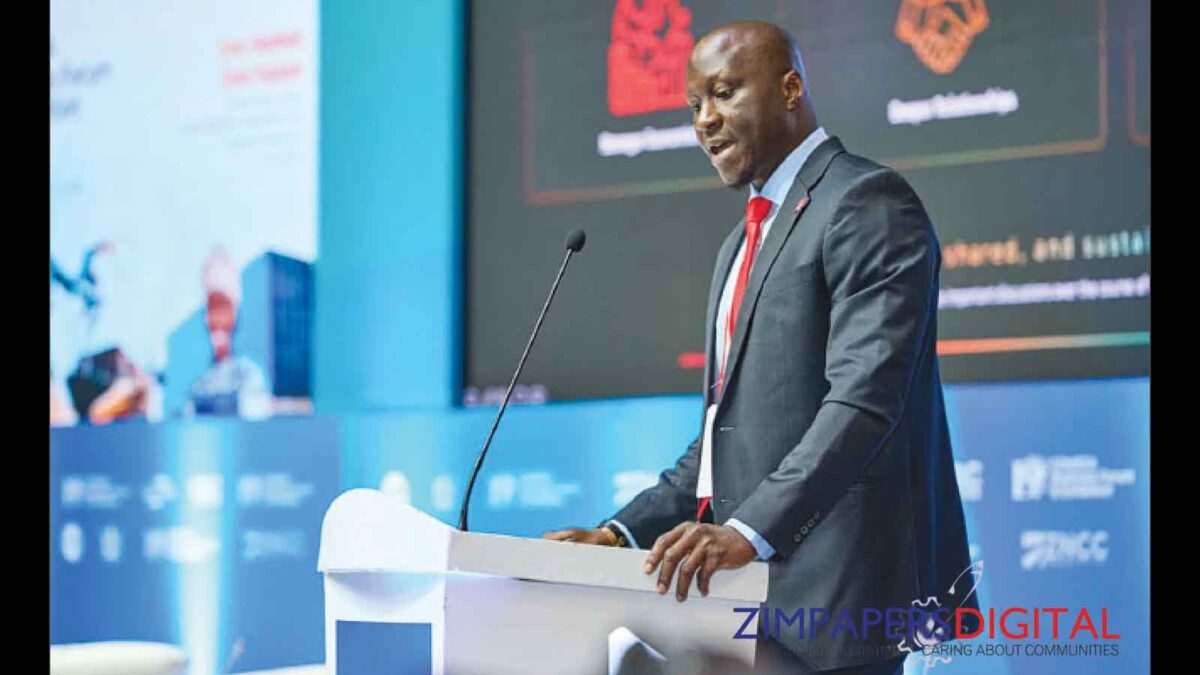
The company operates 25 bottlers across the region. Delivering the investor perspective on doing business in COMESA at the 19th COMESA Business Forum, Mr Alfred Olajide, vice president for East and Central Africa at The Coca-Cola Company, told delegates at the Harare International Conference Centre that the figures reflected the system’s deep integration within COMESA economies and the ripple effects of its operations.
“More than just a market, COMESA is a partner for shared prosperity,” he said, describing the bloc as a shining example of what regional collaboration and trade facilitation can achieve.
Beyond economic impact, Mr Olajide highlighted the company’s water stewardship initiative — a nearly US$25 million multi-year commitment to improve water access and address water-related challenges across 20 African nations by 2030, including several in the COMESA region.
“We are helping to ensure that the resources we rely on today remain secure for future generations, thereby benefiting both businesses and communities,” he said.
The commitment follows the COMESA Green Industries Connect forum, where regional leaders, including Zimbabwe’s Minister of Foreign Affairs and International Trade, Professor Amon Murwira, called for an overhaul of the continent’s economic rules and a return to indigenous circular practices, emphasising that private sector investment must be at the centre of the region’s green transition.
Mr Olajide reaffirmed the company’s commitment to being a key driver of economic inclusion, sustainable development and regional integration, expressing gratitude to the COMESA Secretariat and the Government of Zimbabwe for hosting the platform. “The Coca-Cola system story in COMESA is one of opportunity — opportunity created, shared and sustained,” he said.
“Together we can build stronger economies, foster deeper relationships and deliver lasting value to the millions of people we collectively serve across this region.”
In closing, Mr Olajide expressed gratitude to the Government of Zimbabwe for hosting the platform and to governments across the region for their continued collaboration.
“We have to make sure that the agenda is real — sustained development,” he said. “Opportunity created, shared and sustained. I look to the future with confidence that together we can build stronger economies and deliver lasting value.”
His address reinforced the forum’s central theme: that private sector investment, regional integration and sustainable development are interlinked drivers of economic growth across the continent.
Mr Avellar concluded: “The 19th COMESA Business Forum reaffirms the importance of collaboration in achieving sustainable and inclusive economic growth. We are proud to collaborate with COMESA in building stronger economies and better futures for the communities we serve.”