Online Reporter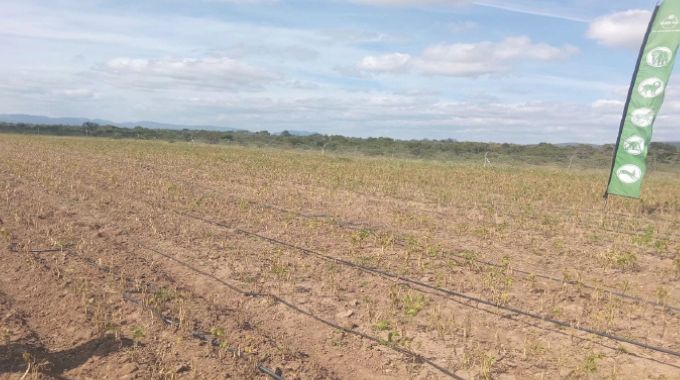
Nothando Zondo, [email protected]
FARMERS under the Komani Village Business Unit (VBU) in Umzingwane District are being urged to move away from subsistence farming and embrace commercial agriculture as a way of improving incomes and ensuring food security within their households.
The call was made by the area’s Assistant District Development Coordinator (DDC), Mrs Tafadzwa Makusi, during the Komani Field Day held last week — an event that highlighted both progress made and the opportunities that lie ahead for rural farmers.
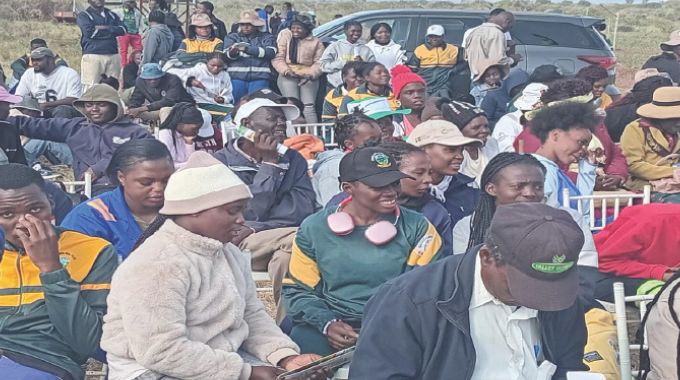
The field day brought together farmers, agricultural extension officers, development partners, community leaders and youth representatives. It was not only a platform to showcase what local farmers have achieved, but also an opportunity to share knowledge and encourage a new way of thinking about farming — not just as a way to survive, but as a business.
During the event, farmers were introduced to practical methods that can improve productivity and resilience, including the use of drought-tolerant crop varieties, proper crop rotation and better soil fertility management. These are important tools, especially in a time when climate change continues to affect rainfall patterns and harvests.
The Village Business Unit model at the centre of this initiative is designed to change how rural communities approach agriculture. A VBU is a community-owned, solar-powered farming hub that brings farmers together to work on a shared piece of land, using improved farming methods and focusing on production for the market.
This model was introduced under the Government’s Rural Development 8.0 strategy and is being driven through the Presidential Rural Development Programme. The aim is ambitious — to establish about 35 000 VBUs across the country by the year 2030, turning each village into a centre of production and economic activity.
Speaking to farmers at the event, Mrs Makusi praised members of the Komani VBU for their strong sense of unity and commitment.
She noted that their progress was proof that farmers can achieve more when they work together and follow proper farming practices. According to her, collective effort makes it easier to share knowledge, reduce costs and improve overall production.
One of the key focus areas highlighted at the field day was the production of sugar beans, which has become an important crop for the community.
“Sugar beans are a high-value crop with good market demand and they contribute greatly towards crop diversification and soil fertility improvement through nitrogen fixation,” said Mrs Makusi.
She said that sugar beans not only help to improve household incomes when sold, but also contribute to better nutrition and healthier soils, making them an ideal crop for small-scale farmers.
Mrs Makusi also pointed out that the success seen at Komani was not by chance. It was a direct result of farmers applying good farming methods. These include preparing the land properly before planting, using improved seed varieties, planting at the right time, maintaining correct spacing between crops, controlling weeds and managing pests effectively.
She commended the farmers for adopting a team-based approach, where they plan together, share labour and manage their farming activities in a coordinated way.
“The progress achieved by the Komani VBU clearly shows the importance of teamwork and collective effort. Working together has strengthened production efficiency, improved knowledge sharing and increased confidence among members,” she said.
At the heart of the VBU model, she explained, is the need to improve livelihoods. By working together and treating farming as a business, rural households can earn more income, improve food security and build stronger, more resilient communities.
She encouraged farmers to change how they view agriculture.
“Agriculture should not only be viewed as a subsistence activity, but as a commercial enterprise capable of generating meaningful income. Farmers must understand production costs, market demands and profitability of different enterprises,” added Mrs Makusi.
This shift in thinking is critical. For many years, small-scale farmers have relied on what is often called “plant and pray” farming — planting crops and hoping for good rains and good yields without fully considering costs or market opportunities.
Mrs Makusi urged farmers to move away from this approach. She emphasised the importance of keeping proper records, calculating input costs and understanding the market before planting.
By doing so, farmers can make informed decisions about what to grow, how much to invest and where to sell their produce for better returns.
The field day also placed a strong emphasis on youth involvement in agriculture.
Mrs Makusi challenged young people in the district to take farming seriously, saying their participation is key to the future of the sector.
“Young people bring energy, creativity and openness to modern farming technologies, digital marketing and climate-smart agricultural practices. Empowering youth through agriculture also helps reduce unemployment and rural migration,” she emphasised.
She encouraged young people to take advantage of programmes offered by the Government and its partners, which provide training, farming inputs and links to markets.
Her message was clear: agriculture is not just for the elderly — it offers real opportunities for young people to build livelihoods and support their communities.
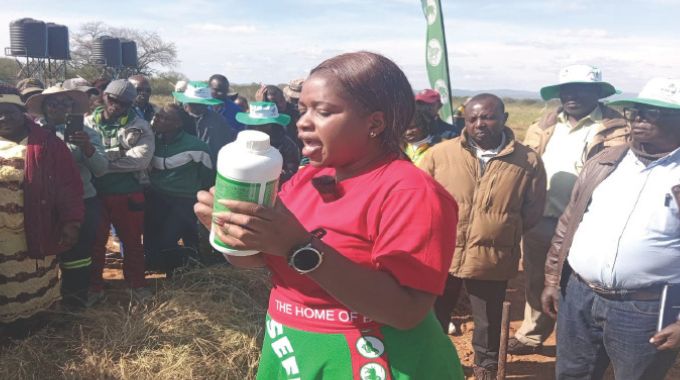
Also present at the event was Seed Co’s Public Relations Manager and Chief Agronomist, Mrs Wendy Madzura, who shared valuable technical advice with the farmers.
She guided them on choosing improved seed varieties that can produce higher yields and withstand changing weather conditions. She also spoke about modern farming practices that can help farmers increase productivity while reducing risks linked to climate change.
Her contribution complemented the broader message of the day — that with the right knowledge, tools and mindset, farmers can achieve much more than they currently are.
Overall, the Komani Field Day served as both a celebration of progress and a call to action. It showed what is possible when farmers work together, adopt better farming methods and begin to see agriculture as a business.
For many in attendance, it was a reminder that the future of rural communities lies in moving beyond subsistence farming and embracing more organised, market-driven agricultural practices.
If the success of Komani VBU is anything to go by, the model has the potential to transform livelihoods far beyond Umzingwane District — helping to build stronger, more productive and more food-secure communities across the country.