Online Reporter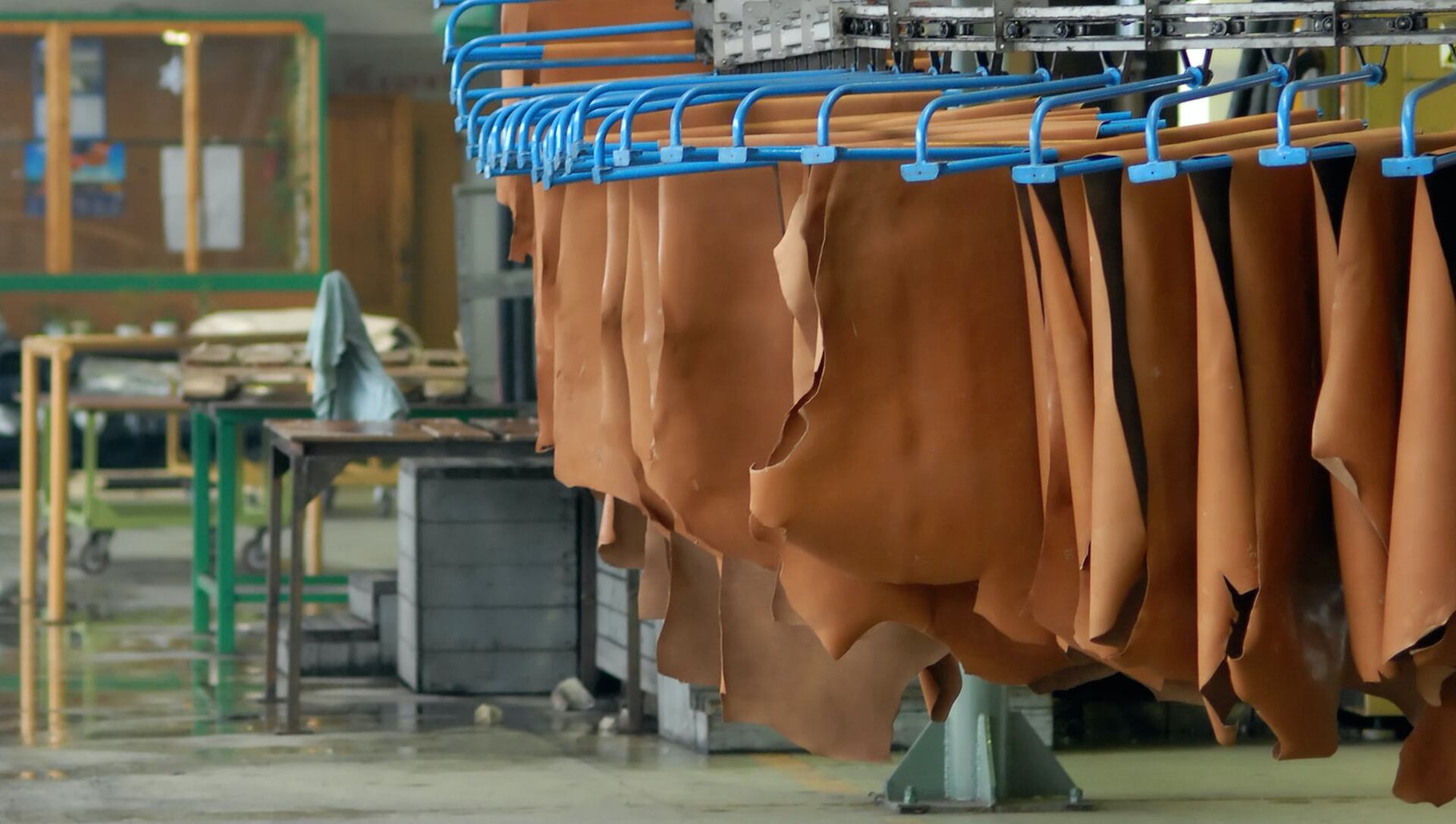
Sikhulekelani Moyo, [email protected]
LEATHER stakeholders in Bulawayo have been urged to strengthen collaboration with Government to unlock growth opportunities in the sector, with the Ministry of Women Affairs, Community, Small and Medium Enterprises Development acknowledging shortcomings in past support systems and calling for improved coordination and accurate industry data.
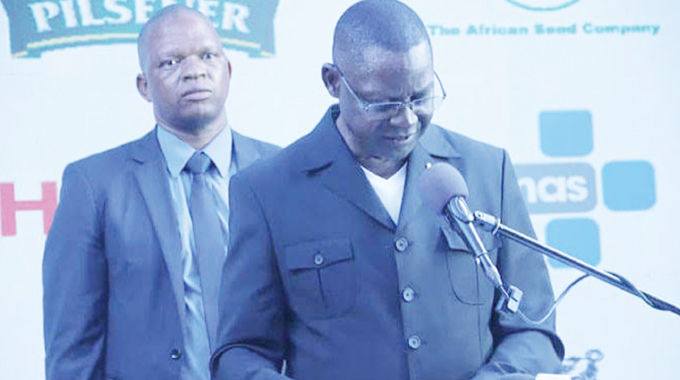
Speaking during a leather sector stakeholder engagement meeting in Bulawayo on Monday, the Acting Provincial Development Officer for Bulawayo Metropolitan Province, Mr Clyton Mharadzano, said the ministry was committed to addressing past challenges and forging stronger partnerships with industry players to drive growth in the province and beyond.
“We are accepting that our forms have become too delayed, and we are ready to learn from you and we are ready to perform,” said Mr Mharadzano.
“It is our responsibility to create a platform for marketing and discovery.”
Mr Mharadzano acknowledged weaknesses in the administration of opportunities and communication with stakeholders, citing an instance in which two representatives attended a symposium in Zambia without adequate consultation with established structures such as Women in Leather.
“Sometimes we make genuine errors. Not because it’s a virus, but because we don’t have information. The point I’m trying to make here is that, beyond this meeting, our request to you is to improve our organisational operation.”
He said the ministry would share its database and register with sector players to ensure broader inclusion in programmes and opportunities.
Mr Mharadzano stressed that the growth and development of the leather sector would depend largely on better organisation among industry players.
He noted that while Zimbabwe has a definition for micro, small and medium enterprises (MSMEs), it has not yet been fully promulgated, creating uncertainty over eligibility for various support programmes.
“It is necessary that you guys deliberate on this, so that we can put a distinction between micro, small and medium,” he said, adding that stakeholders would be given an opportunity to contribute towards localising the criteria.
He also called on leather sector players to consolidate their structures to minimise duplication and confusion.
“We need to come to our senses as groups. There are so many groups, and all these groups are creating a lot of confusion for ourselves. That’s the number one thing that must sort us out,” he urged the players.
Mr Mharadzano said the ministry’s mandate focuses on four key pillars: business advisory services, business training, marketing support and business development services.
He added that banks and other financial institutions with SME-focused products would be invited to future engagements to improve access to funding for leather enterprises.
Addressing funding constraints, Mr Mharadzano revealed that some financing facilities previously made available to SMEs had not been fully utilised, with SMEDCO reportedly returning funds to the Reserve Bank last year because of low uptake.
POSB representative Mr Mvikeli Msebele, who made a presentation on financing opportunities for MSMEs, told stakeholders that stronger organisation within the sector would improve prospects for securing funding.
He said many SMEs fail to access finance because they lack proper financial records and urged leather businesses to formalise operations, maintain accurate records and establish clusters or associations that could help members guarantee one another when seeking loans.
Bulawayo Leather Cluster secretary-general Mr Fungai Zvinondiramba welcomed the engagement, saying it would benefit a city that remains the country’s leading leather production hub.
“As a player in the sector, this is a very good initiative coming from the lead ministry for MSMEs, SMEs and clusters as well. So, for Bulawayo being the biggest contributor to the leather sector, we are very happy for this initiative. We are going to participate, and we hope more stakeholders will come on board,” said Mr Zvinondiramba.
“We are talking about banks, NGOs and other funders. So, we hope they will also come on board and grow the leather sector in Bulawayo.”
Mr Mharadzano said the ministry had designated officers to work directly with the leather cluster and pledged to improve communication with stakeholders going forward.
He also urged players to regularise their cooperatives and associations and ensure membership databases are kept up to date.
“Our idea was to share the register so that if there is anyone who is excluded, we have the register. The register is just a database. It’s not used to contain millions of things. So, we encourage people to be there so that when we are forming, if there is any opportunity, we don’t become inscrutable.”
The meeting ended with both the ministry and industry stakeholders committing to strengthen collaboration, improve information sharing and jointly pursue funding, markets and training opportunities aimed at positioning Bulawayo as a leading leather production hub in Zimbabwe and the region.