

 Online Reporter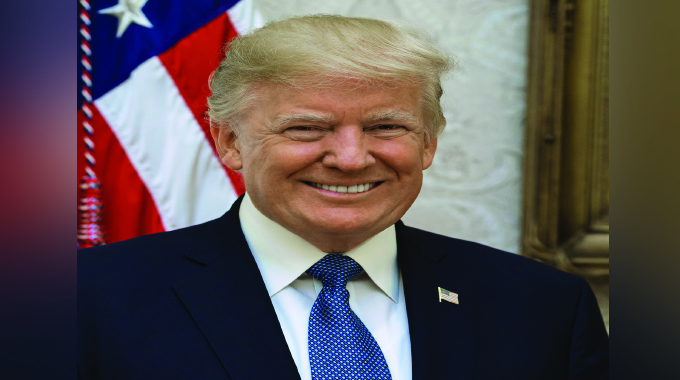
Elita Chikwati
THE Common Market for Eastern and Southern Africa (Comesa), of which Zimbabwe is a signatory, has called on member states to adopt a variable co-operative game strategy to reduce the negative impact of the US trade tariffs.
The strategy includes facilitating open negotiations and binding agreements with the European Union, China, Japan, India, the Middle East and other like-minded nations to open trade doors.
This comes as eight Comesa member states are set to encounter trade challenges due to new reciprocal tariffs instituted by the United States government.
US President, Donald Trump has imposed tariffs against many countries across the world since he took office earlier this year, a development experts and key multilateral institutions, including the International Monetary Fund, have condemned.
The IMF said following the raft of Trump tariffs, including against key global player China, economic policy and trade uncertainty globally were at an all-time high.
The US is the world’s largest economy and its policies have serious implications for the global economy and have already sent markets tumbling and increased the risk of a global recession.
Amid confusion and uncertainty over the implications of the global trade tariffs, the Trump administration halted higher tariffs for 90 days for most countries, but retained the steep 145 percent tariff level against its closest competitor, China.
However, President Trump maintained a general 10 percent tariff against all trading partners.
The US imposed an 18 percent tariff against all imports from Zimbabwe, which was due to take effect from April 2, 2025, barring a three-month suspension.
Zimbabwe exported US$67,8 million to the US in 2024, according to US trade statistics.
According to one of the world’s largest commercial banks, JP Morgan, recessions are already expected in Mexico, Canada and modest downgrades have been made to growth projections in China, Europe and emerging markets, especially Asia.
Global growth projections have since been revised down from 2,1 percent at the beginning of the year to 1,4 percent in the fourth quarter of 2025.
But China has reaffirmed its unflinching respect for multilateralism and the rules-based global trade and economic system.
Anticipated repercussions of these tariffs could lead to significant reductions in trade volumes for the concerned countries in the year 2025.
According to the Comesa secretariat, affected countries include the Democratic Republic of Congo, which was slapped with a tariff of 11 percent, Libya (31 percent), Madagascar (47 percent), Malawi (17 percent), Mauritius (40 percent), Tunisia (28 percent), Zambia (17 percent) and Zimbabwe (18 percent).
The Comesa secretariat highlighted that while the US was not a primary trading partner for the region, these increased tariffs were poised to create significant supply and demand shocks across member states.
“The resulting high production costs and consumer prices in the US will likely contract its economy and further depress demand for exports from Comesa countries. Key exports from Comesa, such as Kenyan textile products and Zambian copper, will face inflated prices on the US market, while the prices of essential capital goods from the US will rise,” said Comesa.

Trade statistics reveal that Comesa’s share of exports and imports to the US ranged between three percent to four percent and four percent to five percent, respectively, during the years 2019 to 2023.
Director of Trade and Customs, Dr Christopher Onyango, noted that the US-Africa trade framework had historically been defined by the African Growth and Opportunity Act (Agoa) enacted in 2000.
“This act granted preferential access at zero tariffs for numerous products from qualifying African countries to the US market, reflecting their relatively lower socio-economic development levels. The new tariffs posed by the US, represent a stark departure from Agoa’s intent, which was originally advocated by the US government itself.
The uncertainty around Agoa raises concerns that these tariff policies may result in substantial production cuts and massive job losses across African economies.”
35 African nations qualify for Agoa, including 10 Comesa Member States. Moreover, there is heightened apprehension regarding potential retaliatory measures from major trade partners like China and the European Union.
These entities, which represent Comesa’s largest export and import markets, accounting for 24 percent to 40 percent and nine percent to 13 percent of trade respectively, during the period from 2019 to 2023, could exacerbate the challenges facing Comesa countries.
Estimates suggest that the combination of US tariffs and possible retaliatory tariffs could result in a global GDP decline of 0,43 percent, adversely affecting demand for Comesa exports, which heavily rely on extra-Comesa trade.
In response to this pressing economic threat, the African Union Commission has been urged to engage with the US government to discuss the ramifications of the ongoing tariff disputes and to reinforce the need for a rule-based international trading system.
“A call for the consolidation of continental and regional economic integration will further amplify Comesa’s voice to boost intra-African trade and investment. Implementing regional value chains and reducing dependency on external markets will be vital.
“Furthermore, increasing investment from African financial institutions including the African Development Bank (ADB), ExIM Bank, Trade Development Bank, among others, to enhance physical infrastructure — such as roads, railways and airports — is essential to support connectivity and sustainable industrial development,” said Comesa.
Comesa is a regional economic community established in 1994.
It brings together 21 African Member States with a population of over 600 million people into a co-operative framework for sustainable economic growth and prosperity through regional integration.


 Bongani Ndlovu