Online Reporter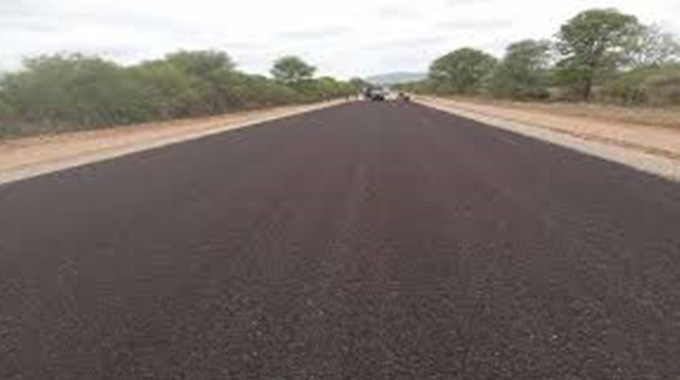
AS we approach the end of 2025, it is essential to reflect on the various developments that have transformed the landscape of Matabeleland region.
This year has been marked by significant advancements in road infrastructure, agriculture, mining, and the growth of rural business units. Each of these sectors plays a pivotal role in the socio-economic fabric of this region, and their successes in 2025 offer a blueprint for sustained progress and development.
One of the most notable achievements of this year has been the substantial upgrades to the road infrastructure across Matabeleland. The Government, in collaboration with various stakeholders, has invested heavily in repairing and expanding key highways and rural roads. This focus on infrastructure has enhanced connectivity between urban centres and remote areas, facilitating trade and access to services.
The completion of the Bulawayo-Gwanda Road project and the commencement of the Bulawayo-Victoria Falls Road, stand out as a cornerstone achievements in 2025. The Bulawayo-Gwanda route not only shortens travel time but also enhances safety for commuters.
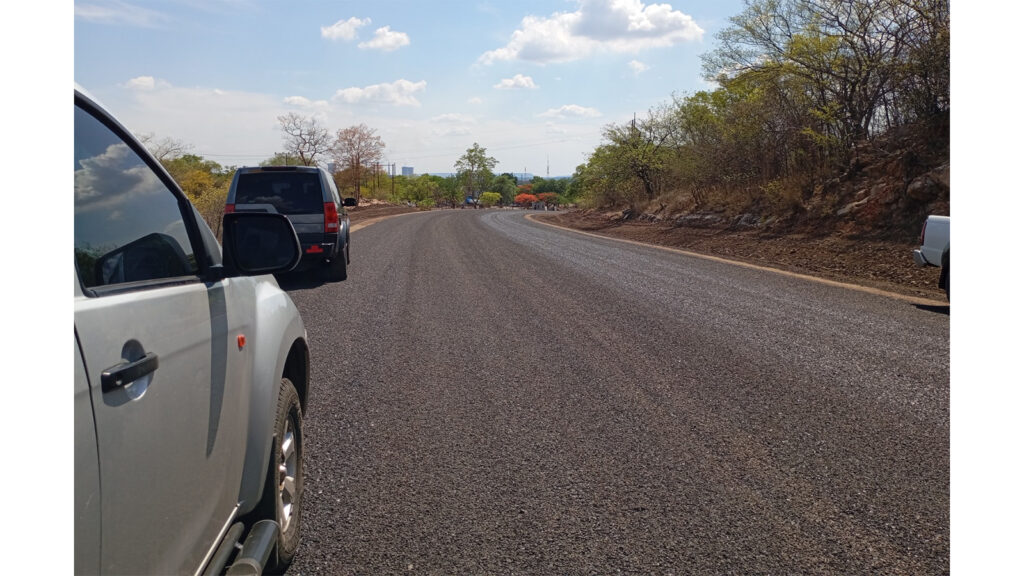
Improved roads have attracted investment in rural areas, making it easier for agricultural products to reach markets and for miners to transport their materials. These enhancements reflect a strategic vision aimed at integrating Matabeleland into the broader national economy.
Agriculture has long been the backbone of Matabeleland, and 2025 has seen a resurgence in this critical sector. Government initiatives to support smallholder farmers have yielded impressive results, with many recording their best harvests in years.
The implementation of climate-resilient agricultural practices has been crucial, considering the increasing unpredictability of weather patterns due to climate change.
Success stories abound, with farmers in Matobo District reporting unprecedented yields of maize and sorghum. The introduction of high-yield drought-resistant seeds, coupled with improved irrigation techniques, has empowered local communities to boost their food security.
Moreover, the Government’s investment in agricultural extension services has provided farmers access to knowledge and resources, allowing them to adopt best practices in farming.
Additionally, co-operative farming has thrived in 2025, enabling resources to be pooled and profits shared. These cooperative models not only enhance productivity but foster community solidarity and economic resilience.
Farmers are increasingly exploring value-added processing, turning raw produce into market-ready products, which strengthens local economies and creates jobs.
The mining sector, a crucial component of Zimbabwe’s economy, has also shown remarkable progress in Matabeleland this year. The revival of interest in mineral extraction has attracted both local and foreign investment, leading to job creation and economic upliftment.
Key minerals such as gold, chrome, and lithium have seen increased production due to improved regulatory frameworks and incentives aimed at stimulating exploration and extraction.
The successful launch of the Zambezi Lithium Mine serves as a prime example of investment in the mining sector. This project has generated significant employment opportunities for local residents and is expected to contribute substantially to the national economy.
More importantly, it has established a model for sustainable mining practices, focusing not just on profit but on environmental stewardship and community welfare.
Furthermore, collaborations between mining companies and local governments have facilitated better community engagement. Mining companies are investing in infrastructure and social programmes, improving health services and education in mining communities. Such partnerships underscore a growing recognition that sustainable development is best achieved through the involvement of all stakeholders.
In 2025, rural business units in Matabeleland have blossomed, demonstrating unparalleled growth and innovation. The support from local governments, NGOs, and private sector initiatives has been instrumental in creating an enabling environment for entrepreneurs. Programmes aimed at providing funding, training, and mentorship have seen the emergence of small and medium-sized enterprises (SMEs) that are vibrant and resilient.
Markets and fairs have become common platforms for rural businesses to showcase their products, from handicrafts to agro-processing goods. The growth of digital platforms has also facilitated e-commerce, allowing rural entrepreneurs to reach broader markets beyond their immediate communities.
These developments have not only created jobs but have also fostered a culture of entrepreneurship that encourages self-sufficiency.
Moreover, the increasing focus on women-led businesses cannot be overlooked. Initiatives aimed at empowering women entrepreneurs have yielded positive results, with many women taking the lead in various sectors including agriculture, fashion, and services. This shift has not only contributed to economic growth but is also enhancing gender equity within the region.
As we reflect on the achievements of 2025 in Matabeleland, it is clear that progress is being made across multiple sectors. The developments in road infrastructure, agriculture, mining, and rural business units signify a turning point in the region’s socio-economic trajectory. However, challenges remain, including, access to financing, and the ongoing impacts of climate change.
Looking ahead, it is crucial for stakeholders to build on the successes of this year. By continuing to invest in infrastructure, support sustainable agricultural practices, promote responsible mining, and empower rural businesses, Matabeleland can pave the way for inclusive and sustainable economic growth.
As the year comes to a close, the successes in Matabeleland not only inspire hope but serve as a reminder that with collaboration and innovation, the future can be bright for all its inhabitants.
The stories of resilience and progress that emerged in 2025 lay a strong foundation for the next chapter in Matabeleland’s development journey, energising a community that is ready to tackle the challenges of tomorrow.