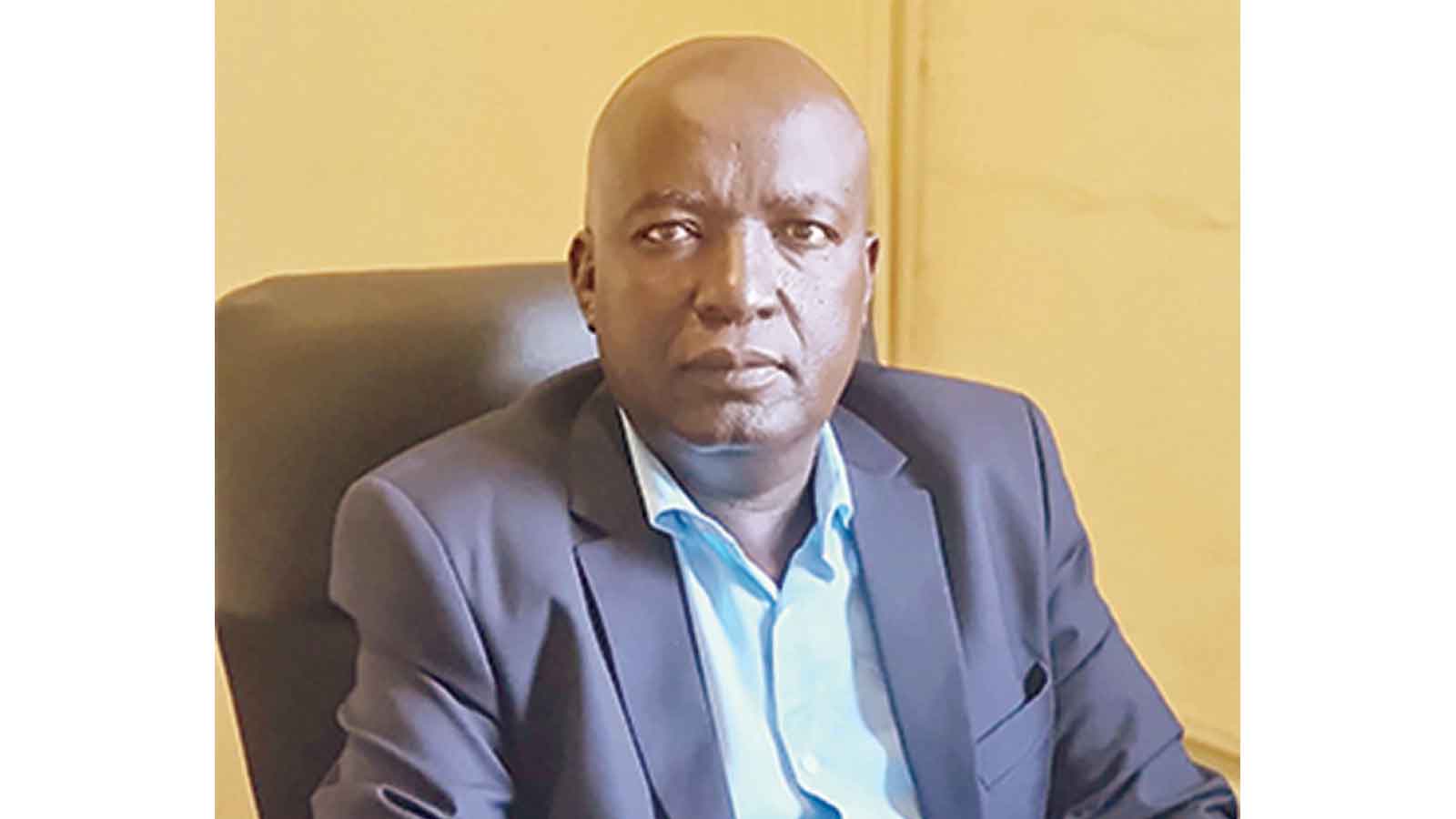
THE conferment of Liberation Hero Status on veteran journalist Mkhululi Sibanda is a fitting and well-deserved recognition of a man who dedicated much of his professional life to documenting Zimbabwe’s liberation history and amplifying the voices of those who shaped the nation’s journey to independence.
Sibanda earned widespread respect through his journalism career, particularly for his acclaimed Lest We Forget column, which chronicled the experiences of liberation war veterans and helped preserve an important chapter of Zimbabwe’s national history.
In an era when historical memory can easily fade, Sibanda understood that journalism is not merely about reporting the events of the day. It is also about preserving collective memory for future generations.
Through his writing, he ensured that the sacrifices, struggles and experiences of those who fought for Zimbabwe’s freedom were recorded and protected from being lost to time. His work demonstrated that journalism can serve as a bridge between the past and the future.
His recognition should therefore be celebrated not only by the media fraternity but by all Zimbabweans who value the importance of preserving the country’s history. Sibanda’s contribution extended beyond the newsroom. He became a custodian of national memory and a dedicated chronicler of stories that form part of Zimbabwe’s identity. His three-decade career and commitment to historically grounded journalism leave behind a legacy worthy of emulation.
His life also offers an important lesson for the country’s journalists.
At a time when the profession faces numerous challenges, there remains a critical responsibility to document Zimbabwe’s story accurately, fairly and comprehensively.
Journalists are not only witnesses to history; they are its first recorders. The stories they write today will inform how future generations understand their country and the struggles, achievements and aspirations of its people.
Zimbabwe’s sovereignty was hard won, and preserving the history of that struggle is a national duty. Journalists have a unique role to play in safeguarding that heritage by recording the experiences of liberation fighters, community leaders, workers, farmers, youth and ordinary citizens whose contributions help shape the nation. If these stories are not documented, future generations risk losing valuable insights into the country’s past.
Sibanda’s work stands as a reminder of the enduring value of public-interest journalism rooted in national history and identity.
His recognition as a Liberation Hero is therefore not only an honour for one individual but also an acknowledgement of the vital role journalism can play in nation-building.
As the nation reflects on his legacy, journalists across Zimbabwe should draw inspiration from his example. They should continue to tell the country’s stories, document its history and contribute to preserving the national memory. In doing so, they will honour the legacy of Sibanda and help ensure that Zimbabwe’s past, present and future remain permanently recorded for generations to come.