Online Reporter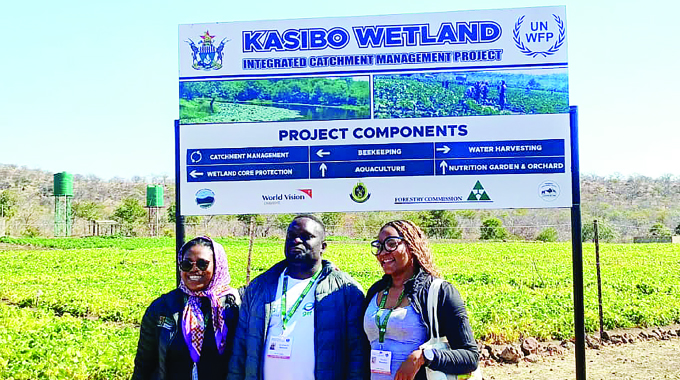
THE visit to the Kasibo Wetland Project during COP15 has been nothing short of inspiring. Delegates from over 170 countries witnessed first-hand how a once-neglected wetland in Hwange District has been transformed into a thriving hub of biodiversity, food security, and sustainable livelihoods.
From aquaculture and apiculture to lush nutritional gardens, the project is a shining example of how local communities can lead the way in climate resilience and ecological restoration.
The cultural welcome by the Nambya people, the stories of resilience from local families, and the visible transformation of the wetland left a lasting impression on all who attended. As one delegate put it: “This is a model the world should learn from.”
As we reported yesterday, international delegates attending the ongoing 15th Conference of the Contracting Parties (COP15) to the Ramsar Convention on Wetlands (COP15) were on Tuesday treated to a remarkable conservation site visit to the thriving Kasibo Wetland Project in Hwange District.
Located in Ward 9, about 100km from Victoria Falls, the project supports over 40 families through nutritional gardens, orchards, and aquaculture, boasting over 1 000 fish while also protecting the natural ecosystem.
Wetlands provide direct economic benefits to communities, especially in rural areas. Restored wetlands like Kasibo support irrigation for crops, ensuring food security even in drought-prone regions.
Fish farming in wetlands offers both nutrition and income, while beekeeping thrives in wetland ecosystems, providing honey for sale and pollination for crops.
Wetlands also attract eco-tourism and support traditional crafts, creating jobs and preserving cultural heritage.
Community-led conservation fosters local empowerment. People become stewards of their environment, making decisions that directly affect their well-being.
Traditional ecological knowledge is integrated with modern conservation practices as communities unite around a shared goal, strengthening social bonds and resilience.
In essence, wetlands are not just ecological assets — they are engines of human development. When protected and restored, they uplift entire communities, demonstrating that environmental sustainability and human prosperity can coexist.
Kudos to Zimbabwe for not only hosting a successful COP15 but also for demonstrating that wetland conservation is not just about protecting nature — it’s about empowering people and securing our future.