Chronicle Editor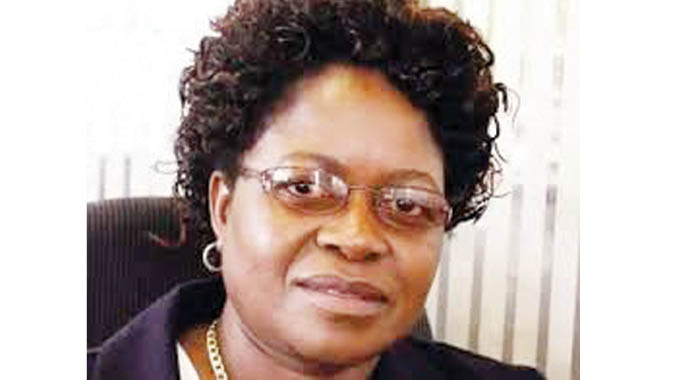
FINDINGS by Auditor-General Mrs Mildred Chiri that urban local authorities do not have the capacity to resuscitate sewer systems come against a backdrop of failure by councils to provide clean water to residents.
Urban councils are also failing to deliver on services that include reliable road networks, garbage collection, street lights, clean parks, youth centres, health facilities and residential stands.
In fact, they have no capacity to deliver on any electoral promise.
This incompetence on the part of urban authorities has led to the outbreak of water-borne diseases like typhoid, cholera and dysentery. Hundreds have died in Harare, Chitungwiza, Gweru and most recently, in Bulawayo.
A recent outbreak of typhoid and dysentery in Luveve suburb and surrounding areas killed 13 people and infected nearly 2 000.
It is against this background that the warning issued by the Auditor-General must be taken seriously. Urban areas are without clean water while sewage flows in residential areas. How many more people have to die before urban local authorities do their work?
As we reported yesterday, Mrs Chiri has said Bulawayo City Council (BCC) is among six local authorities at risk of outbreak of water-borne diseases that could lead to deaths due to failure to manage sewer reticulation systems.
“Water-borne disease outbreaks will continue to rise with possible increases in deaths. Maintenance and inspections of the sewer reticulation system is still inadequate and this affects the effectiveness of the flowing, collection and treatment of wastewater, with the probable collapse of the whole system which is evidence that urban local authorities do not have the capacity to resuscitate,” said the Auditor-General.
In her 2019 Management of Sewerage System by Urban Local Authorities under the Ministry of Local Government and Public Works report that was tabled in Parliament last week, Mrs Chiri also revealed that less than 1 percent of total sewerage infrastructure in local authorities was in good shape.
The question that then begs for an answer is why do local authorities wait until they are left with only 1 percent of sewerage infrastructure? Are they only going to act when it gets to 0 percent?
How can a whole urban population run on 1 percent of such critical infrastructure?
Ironically, on the clean water front, some councils lose as much as 60 percent of treated water. Council should prioritise the replacement of underground water pipes as they are losing the bulk of treated water to leakages.
The six local authorities out of 32 nationwide that were assessed by the Auditor-General are Bulawayo City Council (BCC), Harare City Council (HCC), Masvingo City Council, Mutare City Council, Chitungwiza Municipality and Marondera Municipality.
These six, as well as many other local authorities are in urgent need of a total overhaul. There is no shortage of competent administrators and councillors in Zimbabwe.
Residents are fast losing faith. As Mrs Chiri said, if BCC does not timely attend to shortcomings in service delivery issues, it could lose loyal ratepayers.
This is very true. Residents are tired of paying for services that they are not receiving.


 Online Reporter