Online Reporter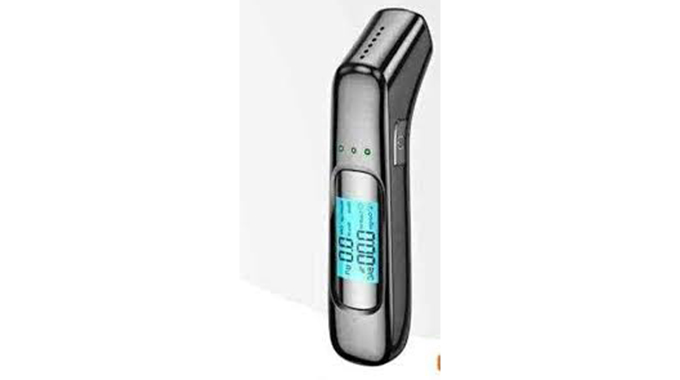
THE deployment of modern technology onto our highways from this coming weekend, with a build up over the festive season, is well overdue and offers the best chance that far fewer families will be in mourning at a time when people have the opportunities to enjoy themselves.
Breathalysers are a proven technology that allows a police officer on highway patrol to get accurate readings of blood alcohol levels of a driver they suspect of being over the limit within a couple of minutes, and so speeding up the arrest of those flouting the law.
Speed cameras, the other technology being rolled out, allows the officer to get a quick and accurate reading of the actual speed a vehicle is being driven at, so the guilty driver can be pulled over and arrested, or at least severely cautioned.
These fast, accurate and simple-to-use technologies will allow police — for the first time — to deal effectively in preventing the two most serious contributors to our totally unacceptable accident rates and road death toll, driving too fast and driving with impaired judgment and control under the influence of alcohol, with many guilty of both.
In theory, police in Zimbabwe have had access to older technologies to deal with both menaces but they have proved impractical to use and in some cases rely on equipment which is so obsolete that it would be impossible to maintain and calibrate.
So some drivers, and regrettably those that cause so many of our accidents, have been able to ignore the law.
Zimbabwe has the right laws in place, regulations and laws that match the best practice in the world. The problem has been enforcement. A police officer on patrol or manning a checkpoint can be subjectively certain that the laws are being broken, but still needs the evidence that will satisfy a magistrate before effective action can be taken.
Our law sets a limit of 80 milligrammes of alcohol per 100 millilitres of blood. Once proven the driver can be fined quite severely, and even jailed for up to five years although that would be very rare for anyone except a persistent offender.
But far more effective is the other part of the sentence, the automatic suspension or cancellation of the driver’s licence for a year, and that is for a first offender. Subsequent offences can see the cancellation for five years, and if the driver persists in ignoring the law and refusing to reform a life ban is imposed.
Parliament has made it clear that it does not regard drinking and driving as compatible and so we have the right sort of laws, which take those who want to do both off the roads so they do not kill and maim others.
Speeding has a hierarchy of fines and other actions, from modest fines for those just over the limit to the full works for those who are way over the limits and persist in this dangerous behaviour.
The effectiveness of controlling drinking and speeding on the roads can be seen in the statistics of those countries which have been totally intolerant of both. Britain is one such country and despite having perhaps 50 times as many vehicles on the road sees fewer people killed each year than Zimbabwe. If we had similar rates we might see just 30 or 40 people a year dying on our roads, rather than that number being killed in just a few days over Christmas.
As the police gain experience in the use of these technologies we hope that they will be used not just on the major highways, but on all roads. Our drivers need to understand that a licence is a privilege, one they can enjoy if they obey the law but lose if they cannot conform.
The Ministry of Transport and Infrastructural Development is building up the capacity of Zimbabwe to take effective action to slash accident rates and make drivers take safety seriously. The Traffic Safety Council of Zimbabwe is going to be rapidly upgraded to an executive agency, no longer just preaching and promoting road safety but able to enforce the law.
It is obvious that while some drivers are willing to take advice and act safely there are far too many, people who are normally exceptionally honest and decent people, who as soon as they get behind a steering wheel have no compunction in committing crimes and will even boast how fast they go over the limit, or how wonderful they are when driving after far too many drinks.
These are about the only crimes that many will boast they are committing.
Besides the driver error accidents, and these have been calculated to cause 94 percent of all accidents in Zimbabwe, there are other causes.
So the upgrade in the ability of Vehicle Inspection Department to check out unroadworthy vehicles is welcome and sensible drivers should make sure their vehicles are roadworthy, especially on the safety side with adequate tyres, brakes and lights. Other faults need fixing but tend to leave a vehicle inert on the verge, rather than killing people so are less critical.
The introduction of new technologies gives police for the first time the practical ability to enforce our good laws, and while the introductory period will see a lot of arrests and fines and licence suspensions, we expect most drivers to quickly accept that they need to reform, and then do this.