Chronicle Editor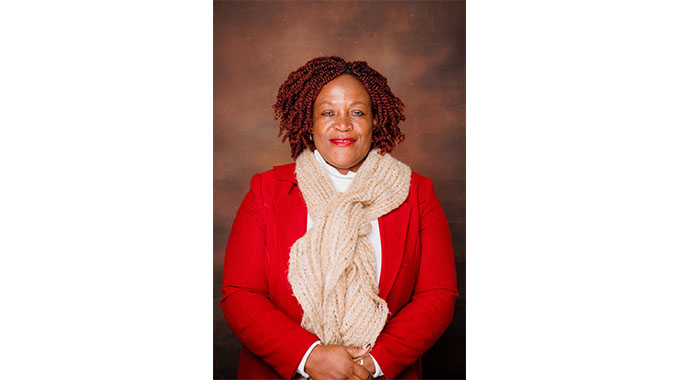
Medical aid schemes play a very critical role in ensuring the majority of Zimbabweans access healthcare services.
Many companies are contributing a portion of their workers’ contributions to different medical aid schemes because they value the importance of workers accessing health services.
There are individuals who are not employed who are also contributing to medical aid schemes so that in the event of them falling sick they are able to access health services.
The role played by medical aid schemes is complementing Government efforts to ensure all citizens access quality healthcare services. Government has over the years built hospitals and clinics across the country to ensure health facilities are close to the people.
The medical aid schemes have also enabled individuals to seek specialist medical services in countries such as India, the United Kingdom and many other countries. We want at this juncture to commend the work being done by medical aid schemes.
It is however disturbing to learn that the operations of these important health institutions are being threatened by Medical aid fraudsters.
According to the Association of Healthcare Funders of Zimbabwe (AHFoZ) which brings together all medical aid societies, many medical aid schemes have over the years lost millions of dollars to fraudulent claims.
What is even more disturbing is that these fraudulent claims are coming from professionals who include doctors and pharmacists. AHFoZ said about US$1,48 million was recovered from medical aid fraudsters last year alone after the association put in place anti-fraud systems. “Medical aid fraud is a contentious issue and for a long time most societies have suffered in silence for fear of reputational damage once the matter becomes public,” said AHFoZ chief executive Mrs Shylet Sanyanga.
Corrupt syndicates involving pharmacists and doctors have over the years been generating fraudulent medical aid claims and receiving payment for services not rendered. In some cases doctors provided medication to patients and demanded huge shortfalls.
After being paid the huge shortfall, the same doctors then claimed full fees from medical aid societies which meant the fraudsters ended up being paid twice for the same service.
There are also cases whereby medical aid subscribers connived with pharmacists and doctors to obtain drug prescriptions for friends and relatives who are not beneficiaries of the medical cover.
Mrs Sanyanga said medical aid fraud was a serious crime that should be ruthlessly dealt with. She said the Risk Motoring System that the association has introduced has gone a long away in protecting contributors’ money from abuse. We want to commend AHFoZ for assisting members to recover money from medical aid fraudsters and putting systems in place to protect contributors’ money.
The health professionals found guilty of medical aid fraud should be blacklisted and made to pay hefty fines.
These individuals are committing a serious crime which might lead to the collapse of medical aid societies hence the need for a deterrent punishment.


 Online Reporter