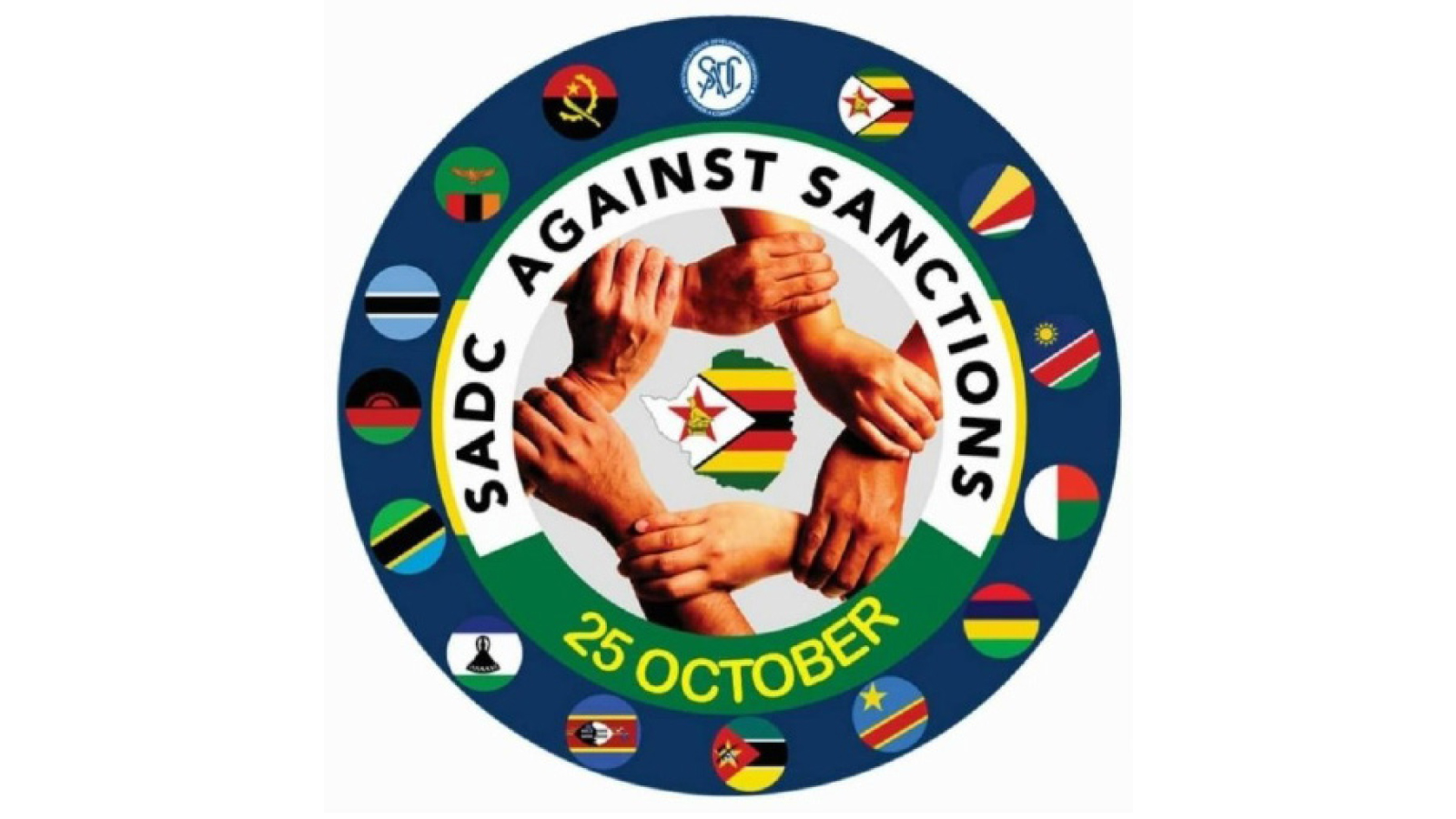
On Sunday Zimbabwe will be joined by other SADC countries as it commemorates the SADC Anti-Sanctions Solidarity Day in Bindura, Mashonaland Central Province.
The SADC Anti-Sanctions Solidarity Day meant to call for the removal of illegal sanctions imposed on Zimbabwe by the West, was adopted by SADC at its 39th Summit at the recommendation of the late President of Tanzania Cde John Magufuli.
Each SADC country is on this day expected to engage in activities to highlight the negative impact of the illegal sanctions imposed on Zimbabwe.
This year’s national commemorations will run under the theme: “Leveraging Regional Integration and Global Partnerships for Economic Transformation beyond Illegal Sanctions.”
The theme places greater emphasis on the opportunities available through regional cooperation and international partnerships as Zimbabwe seeks to strengthen its productive capacity and broaden access to markets beyond its borders.
Calls for the unconditional lifting of the illegal sanctions against Zimbabwe are getting louder with each passing day. African leaders have taken advantage of international fora such as the United
Nations General Assembly (UNGA) to call for the unconditional lifting of illegal sanctions against Zimbabwe which they are all agreed are unjustified.
The sanctions, the African leaders have argued, are not only imposing untold suffering to ordinary Zimbabweans but have collateral negative impact on neighbouring countries. Zimbabwe is being punished for implementing the land reform programme to correct the country’s skewed land ownership which favoured the White minority.
The sanctions are hitting hard on ordinary citizens, contrary to the propaganda from the West that they are only targeted.
Zimbabwe, despite being under the albatross of the illegal economic sanctions, has been making a lot of progress as it works to improve its citizens’ livelihoods.
In 2021 UN Special Rapporteur on the negative impact of unilateral coercive measures on the enjoyment of human rights, Professor Alena Douhan visited Zimbabwe.
In her report Prof Douhan who was in the country for 10 days, said the cost of sanctions imposed on Zimbabwe had by October 2021 ballooned to US$100 billion while the cost of borrowing for the country was more than 1 000 percent higher than the average in most countries.
Prof Douhan called on the US and its Western allies to lift the illegal sanctions which she said were causing suffering of ordinary citizens.
We want at this juncture to commend SADC and other leaders from the progressive world for pushing for the unconditional lifting of the illegal sanctions against Zimbabwe.
The sanctions have among other negatives, constrained the country’s access to international finance and investments.
What is however, encouraging is that instead of just mourning about sanctions, Zimbabwe has come up with robust strategies to grow the economy while countering the impact of the illegal sanctions.
It has used its abundant natural resources such as minerals to grow the economy hence the surge in new investments in the different sectors of the economy.
Zimbabwe has during the past few years witnessed rapid growth of its tourism industry and this is attributed to its global tourist attractions such as national parks, the Victoria Falls and many other such attractions dotted across the country as well as its hospitality.
As Zimbabwe and its SADC counterparts reflect on the impact of the illegal sanctions on Sunday, they must come up with new mitigation strategies.