Bruce Ndlovu, [email protected]
FOR some, Sinjalo, Amakhosi’s flagship dramatic comedy series that made its debut in the early 2000s, deserves to be considered a classic for its ability to bring tribal relations to the small screen in a hilarious yet sensitive way.
In Zimbabwe, as in many countries, tribal relations are a delicate subject that many writers and producers would rather avoid. Yet Sinjalo navigated this potential minefield with remarkable poise, proving that even the most sensitive subjects can be fertile ground for humour.
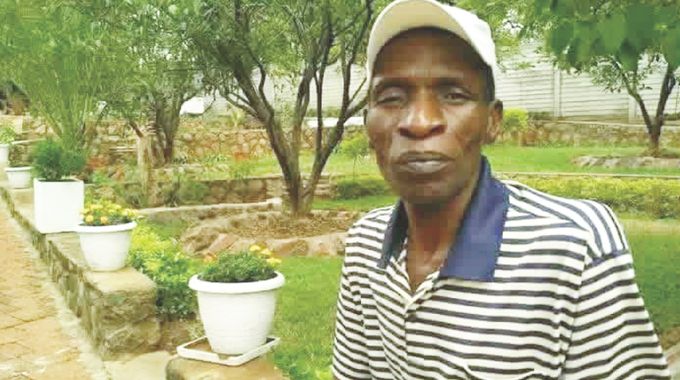
Under the creative vision and direction of Cont Mhlanga, the series found its magic in the polished performances of its two leading actors, Mackay “Sakhamuzi” Tickeys and Fortune “Foromani” Ruzungude.
In the two, Mhlanga found performers who had mastered their craft and could bring to life two very different men who were, in many ways, two sides of the same rugged coin. Their chemistry gave the series its pulse, turning everyday prejudices and cultural misunderstandings into television gold.
Perhaps most importantly, Sinjalo taught Zimbabweans not only to laugh at one another, but also to laugh with one another. It gently prodded at familiar prejudices, exposing the absurdity of clinging to stereotypes even when reality offered more than enough evidence to challenge them.
“It was showing Zimbabweans a mirror to say, this is what’s happening,” said writer and producer Raisedon Baya. “And a lot of people were then able to either resonate or associate with what was happening, because either they could see the men next door, or they could see themselves.”
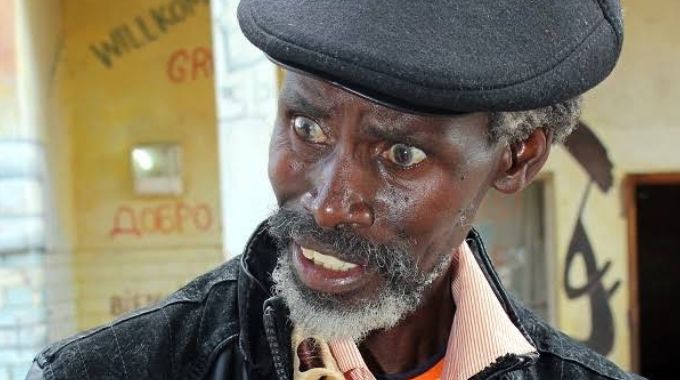
The passing of Ruzungude, who was buried yesterday in Nharira following his death at the age of 56, marks another painful chapter in Bulawayo’s ever-changing arts and cultural landscape.
When he drew his last breath at Parirenyatwa Hospital at around 5PM on Monday, his death represented more than the loss of a gifted actor. For those who grew up watching Sinjalo and for the generations of performers who passed through Amakhosi Cultural Centre, it was the loss of another custodian of a remarkable artistic legacy.
For years, Bulawayo enjoyed an embarrassment of riches in theatre, with much of that talent emerging from what was once the city’s premier nursery of artistic expression: Amakhosi Cultural Centre.
There was a time when Amakhosi dazzled audiences both on and off the stage. Listening to stories about those glory days, one is left with the impression that everyday life at the institution was almost cinematic, filled with larger-than-life characters, restless creativity and the promise of discovery.
Yet, looking at the growing list of Amakhosi alumni who have died in recent years, one cannot help feeling as though the curtain is slowly coming down on a production that once seemed too vibrant, too fascinating and too full of life to ever end.
Cont Mhlanga, Clive Chigubhu, Sihlangu Dlodlo, Babongile Sikhonjwa and now Ruzungude are among those who have departed in recent years, leaving behind memories of a creative era that helped shape Bulawayo’s cultural identity.
Their deaths have also prompted reflection on the institution that helped nurture their talents.
Amakhosi is no longer the city’s default home for aspiring performers. Musicians, actors, dancers and other creatives have found new platforms and spaces across Bulawayo, while the ways in which audiences consume entertainment have changed dramatically.
The world around the cultural centre evolved, bringing with it new technologies, new opportunities and new ways of creating and distributing art.
Perhaps, in today’s rapidly changing world, the need for an institution such as Amakhosi is not as immediately apparent as it once was. Content creators can now carry studios in their pockets, while aspiring actors can access tutorials and masterclasses from some of the world’s finest performers with a few taps on a screen.
Despite this, access to information is not the same as the experience of learning at the feet of a seasoned professional. One is therefore left wondering how much of Bulawayo’s emerging talent could benefit from the guidance of artists such as Ruzungude — seasoned professionals who had seen the industry evolve, understood its demands and helped shape the performers who came after them.
For actor Zenzo Nyathi, Ruzungude’s contribution to the lives of younger performers was deeply personal, extending far beyond the stage and screen.
. “He is the one that literally took me to Amakhosi in 1992. So I am sure that alone says everything about us. He directed me in one of my first junior productions, Why Me.
“He was our manager as an Imbube troupe and toured Tanzania and Botswana with him. I will always remember him for the brotherly love he always had for us youngsters and the people.”
Nyathi’s recollections speak to a side of Ruzungude that audiences may not have seen on their television screens. Beyond the laughter and the memorable character of Foromani was a mentor who opened doors, nurtured younger performers and helped them find their footing in an unforgiving industry.
That may ultimately be part of the legacy of Sinjalo and the Amakhosi generation it represented. Their contribution was not limited to the productions they staged or the characters they brought to life. It also lay in the relationships they forged, the talent they nurtured and the trail they left for others to follow.