Chronicle Editor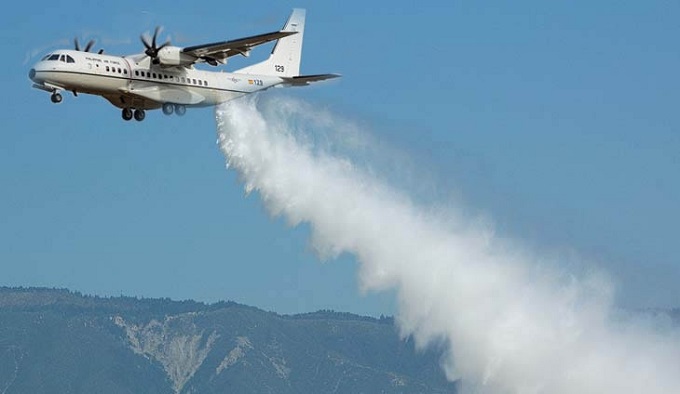
FOOD self-sufficiency is a crucial aspect of a country’s food security, which refers to the ability of a country to produce enough food to meet its domestic consumption needs. Achieving food self-sufficiency can help reduce a country’s reliance on imports, which can be affected by factors such as trade policies, natural disasters, and climate change.
Food self-sufficiency can also help improve a country’s economy by creating jobs and increasing income for farmers and other workers in the food industry. It can also help reduce poverty and malnutrition by ensuring that people have access to affordable and nutritious food.
This is why we commend the move by Government to launch a US$400 000 cloud seeding programme to boost agriculture productivity across the country and mitigate adverse effects of El Nino weather conditions.
Cloud seeding is a process of modifying the weather by targeting certain areas within clouds, to increase rainfall, mitigating the potential damage from hail and clearing fog, according to the American Meteorological Society.
El Nino weather patterns can cause heavy rainfall, which can lead to soil erosion, flooding, and landslides.
Cloud seeding can be an effective way to increase rainfall in areas that need it most, especially during El Nino weather conditions.
El Nino is a climate pattern that describes the unusual warming of surface waters in the eastern Pacific Ocean. It is part of the natural climate phenomenon called the El Niño Southern Oscillation (ENSO).
The ENSO is the cycle of warm and cold sea surface temperature (SST) of the tropical central and eastern Pacific Ocean. During El Nino, the warming of the ocean surface or above-average sea surface temperatures in the central and eastern tropical Pacific Ocean can cause heavy rainfall, which can lead to soil erosion, flooding, and landslides.
El Nino phases are known to last close to four years; however, records demonstrate that the cycles have lasted between two and seven years.
In Zimbabwe, the adverse effects of El Nino have contributed to delayed planting while the Matabeleland region and Masvingo Province are recording livestock drought-related deaths.
Thanks to the prompt response by Government, two aircraft from Central Air Transport Services (CATS) have been deployed under the cloud seeding programme.
One plane is stationed at the Joshua Mqabuko Nkomo International Airport in Bulawayo covering southern parts of the country, while another will be based at Charles Prince Airport in Harare covering the northern parts of the country.
While achieving food self-sufficiency can be challenging, especially for countries with limited resources and unfavourable climatic conditions, the Zimbabwe Government is acting fast and is now working towards adopting drone technology for effective cloud seeding at a lesser cost.
We hail the move by Government and call on the private sector and development partners to support this initiative which in the long run can help reduce the country’s reliance on imports, improve the economy, and reduce poverty and malnutrition.



 Online Reporter