admin
admin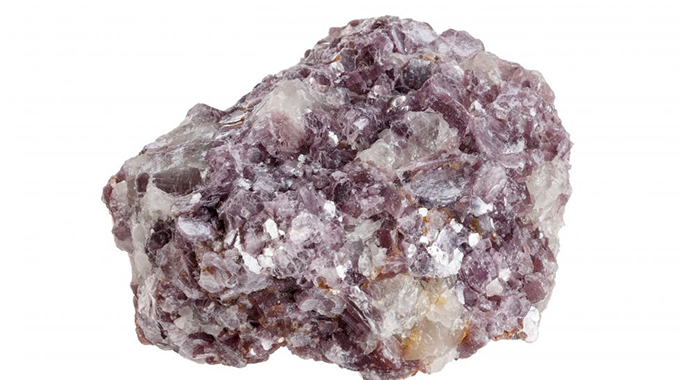
Zimbabwe continues to consolidate its position as a leading lithium mining country in the region and beyond.
Many lithium mining projects are taking shape across the country and very soon the country will be among the leading producers of lithium which is the mineral of the moment due to production of electric cars. Lithium is used to manufacture rechargeable batteries for electric vehicles, mobile phones, laptops and digital cameras.
Construction works have already started for a multi-million dollar world class lithium mining plant in Fort Rixon, Matabeleland South Province. The Zulu Lithium Mining project which is being implemented by the United Kingdom-listed Premier African Minerals, is expected to start production early next year.
On Wednesday President Mnangagwa presided over the ground-breaking ceremony for a new US$130 million Sabi Star Lithium Mine in Buhera District, Manicaland Province expected to produce 300 000 tonnes of the mineral annually. The Sabi Star Lithium Mine is also expected to commence production next year. The other lithium mines are Bikita Minerals, Arcadia Lithium Mine and Kamativi Lithium Mine among others.
The Sabi Star Lithium Mine is being spearheaded by Max Mind (Zimbabwe) Private Limited. President Mnangagwa said the investment of US$130 million into Sabi Star Mine will go a long way towards the country’s quest to establish a vibrant lithium mining and value chain industries. “This project among others will give further impetus to the overall modernisation, industrialisation and growth of our economy,” said President Mnangagwa.
The Fort Rixon lithium project has been described by its management as the future of lithium mining in Zimbabwe. Zimbabwe as we have said before, is fast becoming an investment destination of choice in the region and beyond as evidenced by an increasing number of new companies responding to the Zimbabwe is Open for Business mantra.
Max Mind which has invested in Sabi Star Mine joins a number of new companies that have invested millions of dollars in the different sectors of the economy. Not long ago, ArcelorMittal, one of the world’s largest steel producers which is already importing 70 percent of coke produced in Zimbabwe announced that it is planning to build coke oven batteries thereby creating thousands of jobs.
Each coke oven battery is valued at US$15 million and the company intends to build the coke oven batteries in Hwange and Binga districts. Since last year, the company has spent about US$140 million buying coke and coking coal from companies in Hwange.
The company said it is targeting to double the amount of coke and coking coal it is buying from Zimbabwe in the next 12 months. The procurement of coal and coke from Zimbabwe is part of ArcelorMittal South Africa’s “Africa Raw Materials Sourcing Strategy” which has seen the company replacing raw materials from overseas with regional sources. The company had its first train direct delivery from Hwange to South Africa and plans are underway to revamp the country’s railway network.
We therefore want to call on the National Railways of Zimbabwe (NRZ) to move with speed to work on the railway network. The other new investors are Tsingshan Holdings whose subsidiary Dinson Iron and Steel Company (Disco) is investing US$1 billion to set up an integrated Iron and Steel Plant near Mvuma and Intrachem Explosives Company which recently established a detonators plant in Kwekwe.
The foreign direct investments (FDI) being witnessed across the country, confirm the success of Zimbabwe’s engagement and re-engagement policy. Government has resolved to use local resources to grow the economy despite the illegal sanctions imposed on the country by the United Kingdom, the United States of America and their allies.
Guided by its development philosophy: Ilizwe lakhiwa ngabaninilo (Nyika inovakwa nevene vayo), Government continues to invite Zimbabwean professionals in the diaspora to return home and lead in the exploitation of the country’s vast natural resources such as minerals.


 Online Reporter