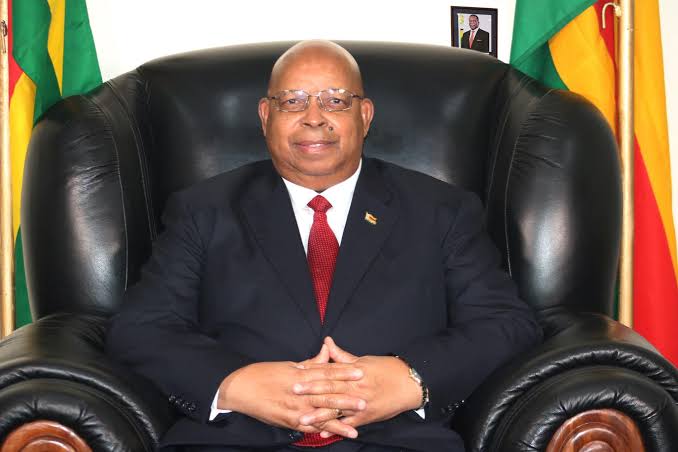
THE historic three-day working visit by Speaker of Parliament Advocate Jacob Mudenda to London last week was more than just a diplomatic courtesy.
It was a definitive capstone on a remarkable story of reconciliation.
For observers of Zimbabwean foreign policy, the image of Adv Mudenda walking the corridors of the Palace of Westminster at the invitation of his British counterpart, Sir Lindsay Hoyle, signals a seismic shift in relations.
It is no longer accurate to describe relations between Harare and London as merely “on the mend”.
Bilateral ties have effectively thawed, normalising a relationship that was once defined by hostility.
This visit, which includes crucial meetings with the Speaker of the House of Commons, the British Group of the Inter-Parliamentary Union (IPU) and the Commonwealth Parliamentary Association, is the fruit of the Second Republic’s relentless engagement and re-engagement drive.
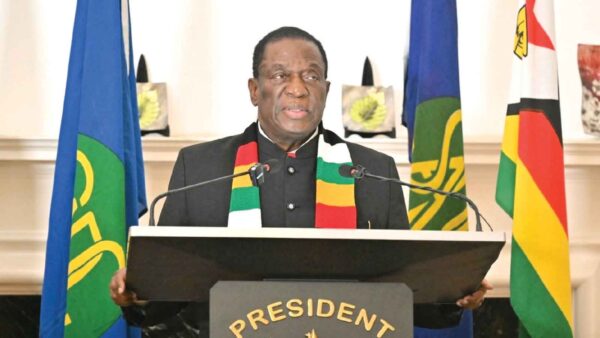
Guided by President Mnangagwa’s overarching doctrine of being “a friend to all and an enemy to none”, Zimbabwe has systematically dismantled the walls of isolation erected at the turn of the millennium.
The trajectory of this rapprochement has been undeniable.
The dark days following the Fast-Track Land Reform Programme, which soured relations with the United Kingdom, are now firmly in the rear-view mirror.
The proof of this shift is written in the milestones of recent years.
When President Mnangagwa attended the coronation of King Charles III at Westminster Abbey on May 6, 2023, it marked a rare high-level visit by a Zimbabwean Head of State to the UK.
That moment was a precursor to the current reality.
Further evidence of normalisation came not from the political elite, but from the pitch. Last year, Zimbabwe’s national cricket team, the Chevrons, toured
English shores for the first time since
2003.
Sport is often the most honest barometer of international relations, and the return of the Chevrons to England reflected a broader societal acceptance and a desire to move forward.
To put the cherry on top, Air Zimbabwe, the country’s flag carrier resumed direct flights to London Gatwick, ending a 14- to 16-year absence from the UK market.
However, the visit by Adv Mudenda represents a high point in these recent years because it is institutional.
While presidential visits are symbolic, parliamentary exchanges are the machinery of long-term legislative and economic cooperation.
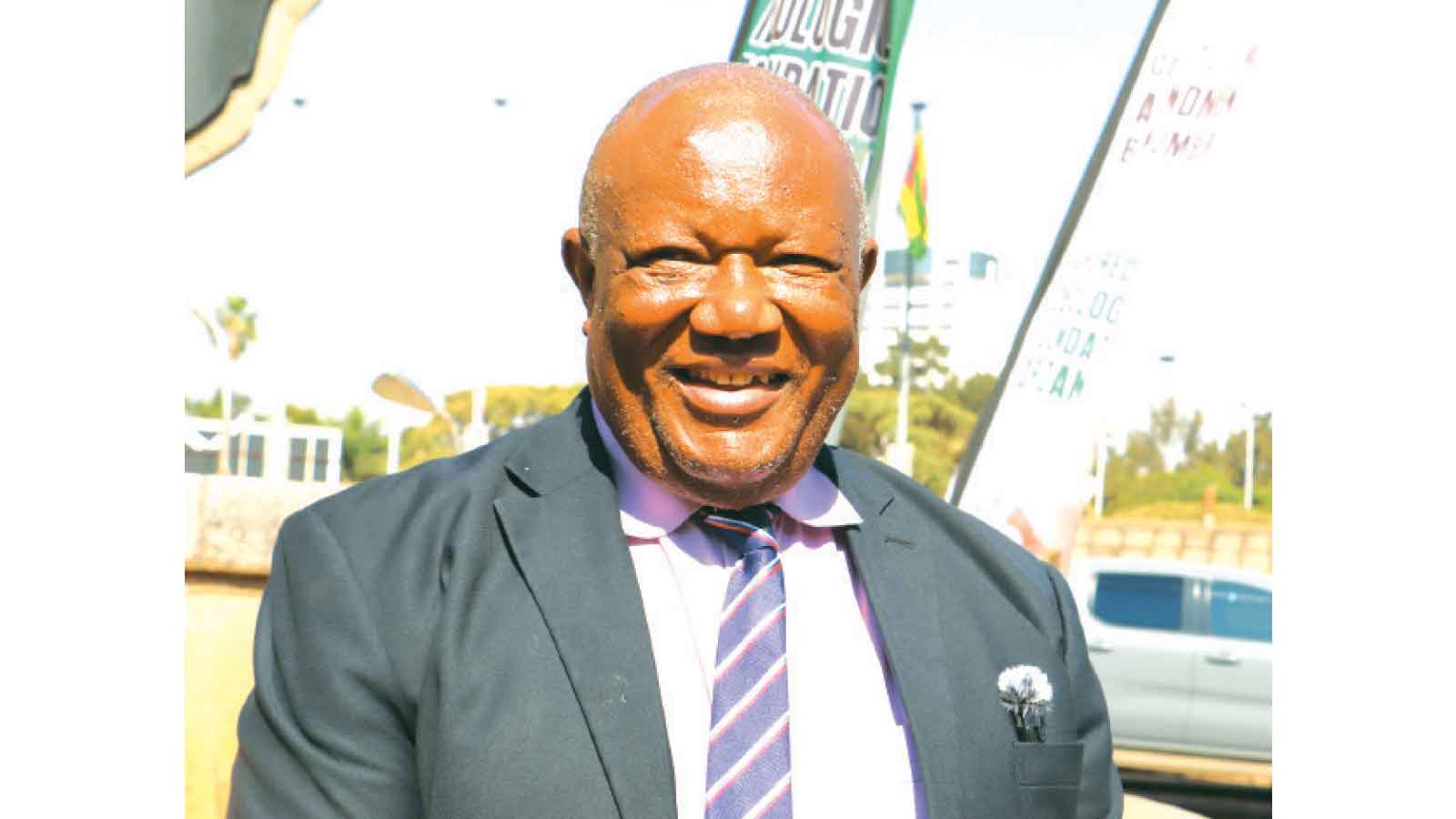
The presence of the Portfolio Committee on Foreign Affairs and International Trade, led by Mr Webster Shamu, demonstrates a deep legislative engagement.
Clearly, they were not there to lecture or to be lectured to; they were there to work, observe the Prime Minister’s Question Time and tour Lancaster House — symbols of a functioning, mature diplomatic relationship.
The normalisation of relations between Harare and London has profound implications for the broader geopolitical landscape, particularly regarding the continued existence of sanctions imposed by the United States.
It is time for Washington to follow London’s lead and acknowledge reality.
The coercive measures imposed on Zimbabwe were fundamentally triggered by the sour relations between Harare and London and the internal land question.
The logic was that Zimbabwe was a pariah state in the eyes of its former colonial power. Today, that logic has collapsed.
The UK’s new Ambassador to Zimbabwe, Gillian Joanna Lever, has recently indicated that her top priorities include strengthening people-to-people relations and enhancing trade and economic ties.
The circumstances under which the sanctions arose have fundamentally changed.
The Land Reform Programme is now a closed chapter.
More importantly, the Government has put its money where its mouth is, having spent close to US$1 billion compensating white former commercial farmers.
This is a massive financial commitment that demonstrates a good-faith effort to resolve historical grievances and respect property rights.
With the UK moving towards full engagement, the US finds itself increasingly isolated in its punitive stance.
The continued maintenance of sanctions by the US, when the root cause of the dispute — the bilateral rift with the UK — has been resolved, is as untenable as it is nonsensical. It is a relic of a past era that no longer reflects the on-the-ground reality of a Zimbabwe that is open for business.
The visit by Adv Mudenda is a testament to the power of dialogue.
The engagement policy has yielded tangible results, transforming potential adversaries into partners.
As Zimbabwe prepares for the future, the normalisation of ties with the UK paves the way for increased foreign direct investment, trade and diplomatic cooperation.
The ghosts of the past — from the era of megaphone diplomacy to the cricket boycotts — have been exorcised.
The visit to the Palace of Westminster is a symbol of a new dawn.
It confirms that Zimbabwe has successfully reintegrated into the global community of nations, not as a pariah, but as a constructive and sovereign partner.
As Adv Mudenda and his delegation concluded their visit, they carried with them not just the goodwill of the UK Parliament, but the undeniable proof that Zimbabwe’s foreign policy of re-engagement is working.
The relationship has thawed, the ties are normalised and the future looks decidedly brighter for both Harare and London.
It is a victory for diplomacy and a clear signal that isolation is a thing of the past.