


 Online Reporter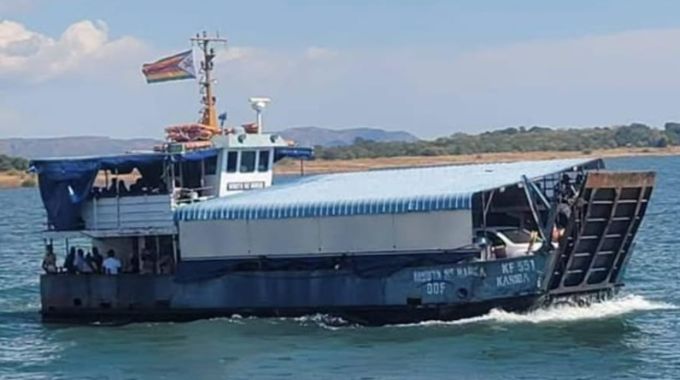
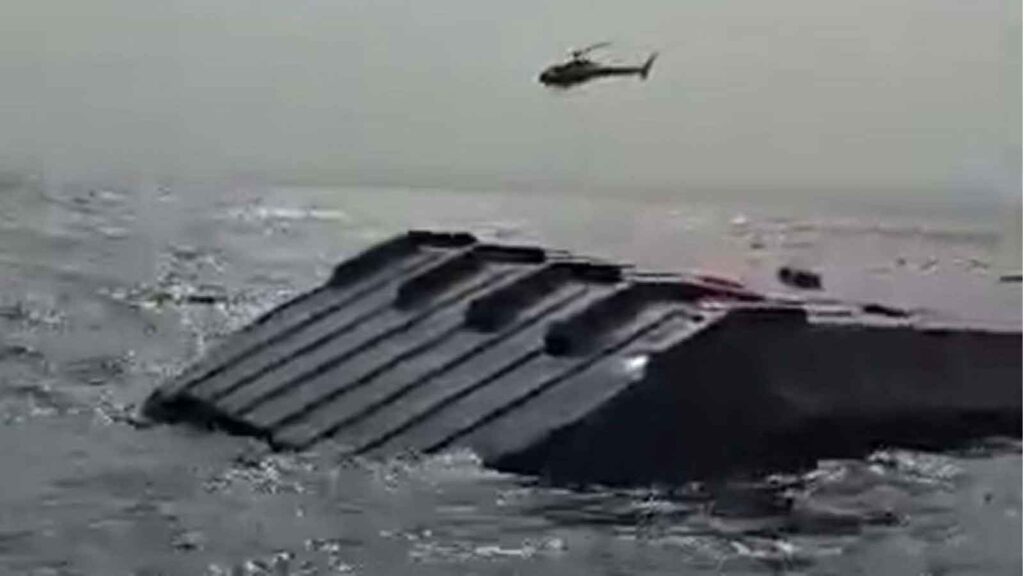
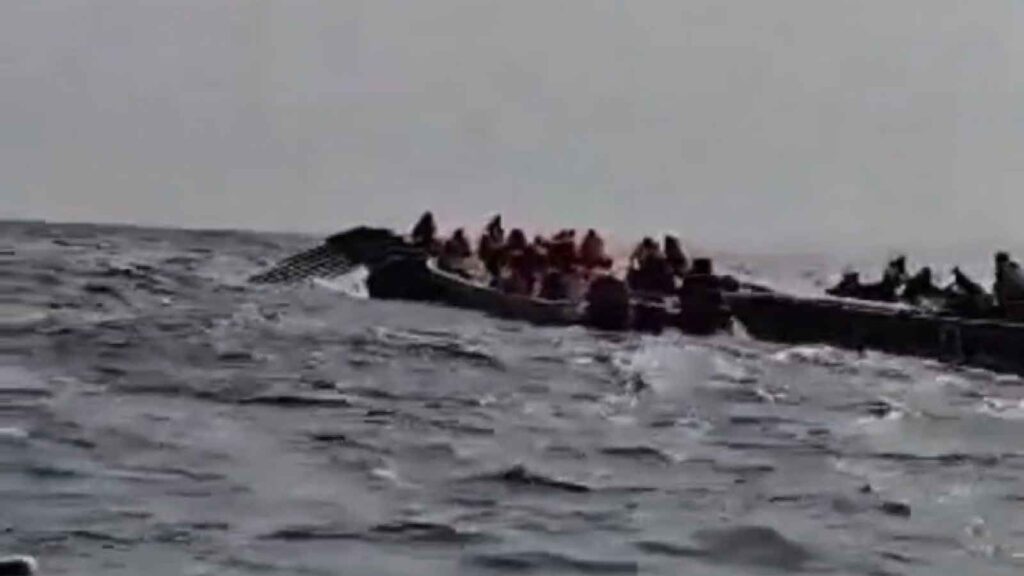
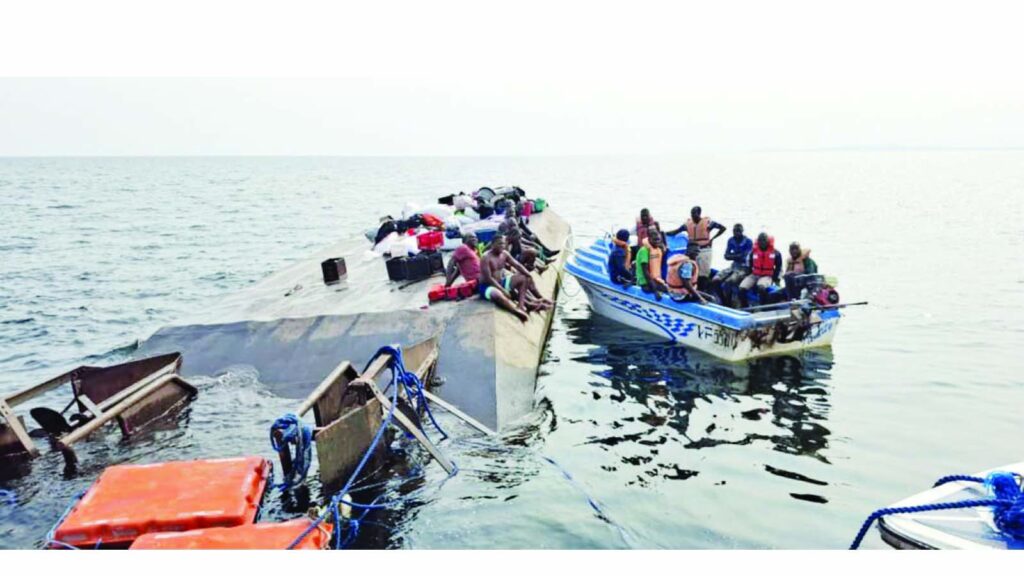
The capsizing of the Rural Infrastructure Development Agency ferry Mbuya Nehanda on Lake Kariba, claiming at least 46 lives, including precious young children, is a dark scar on our national conscience.
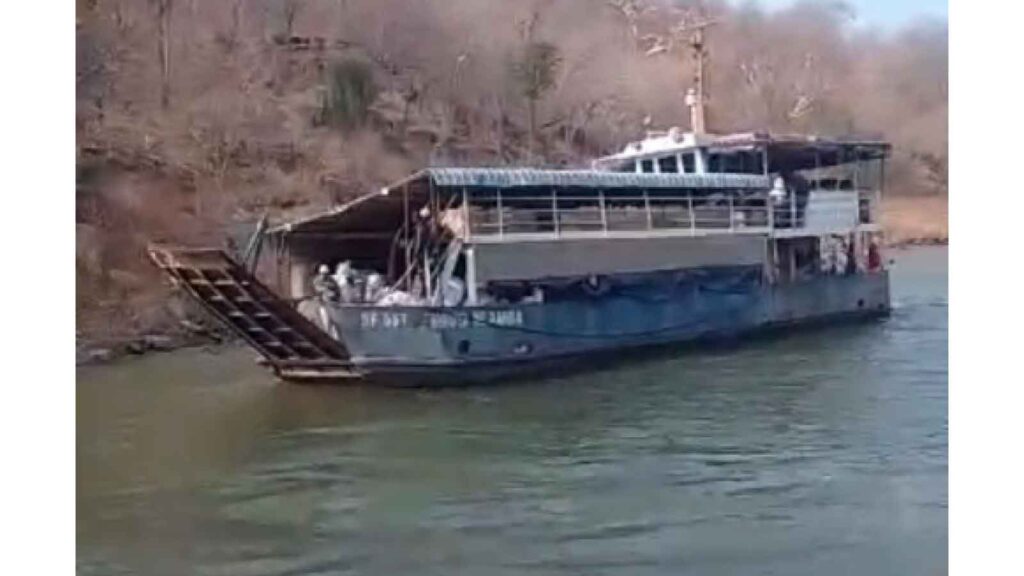
Overloaded, battling fierce winds near Long Island, and sailing despite warnings, this tragedy demands absolute accountability and radical structural reform.
When a vessel authorised to carry 90 passengers takes on well over 114 adults, crew members, cargo, and uncounted children, it is no longer just an accident; it is an engineered disaster.
Reports indicate that onlookers on the shore doubted the safety of the crossing as rough waves battered the region.
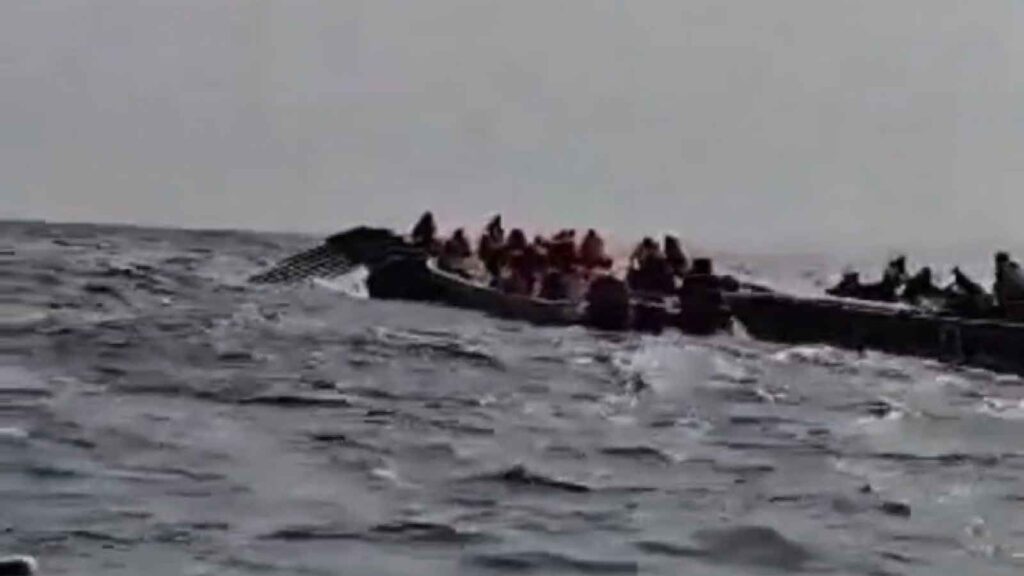
Yet, the boat pushed off.
This disaster highlights a deeper systemic failure: our marginalised lakeshore communities rely on water transport because alternative road networks have deteriorated into impassable tracks.
What must be done to prevent future disasters?
To honour the victims and prevent another national heartbreak, the Government and local authorities must act decisively on multiple fronts.
First, there must be strict passenger caps. Responsible authorities must enforce absolute cutoffs at boarding gates.
No vessel must leave the dock over its licensed weight or passenger limit.
Secondly, there must be rigorous digital manifests. It should be the duty of those in charge to log every single soul — including infants and children — before departure.
Guesswork on passenger numbers is criminal negligence.
Thirdly, there must be mandatory weather compliance by vessel operators.
All marine transport should be grounded immediately when meteorological warnings are issued, overriding economic or travel pressures.
Fourthly, life jackets must be a mandatory requirement for all passengers and crew.
Every passenger should wear a secured life jacket for the entire duration of the trip, rather than storing them out of reach.
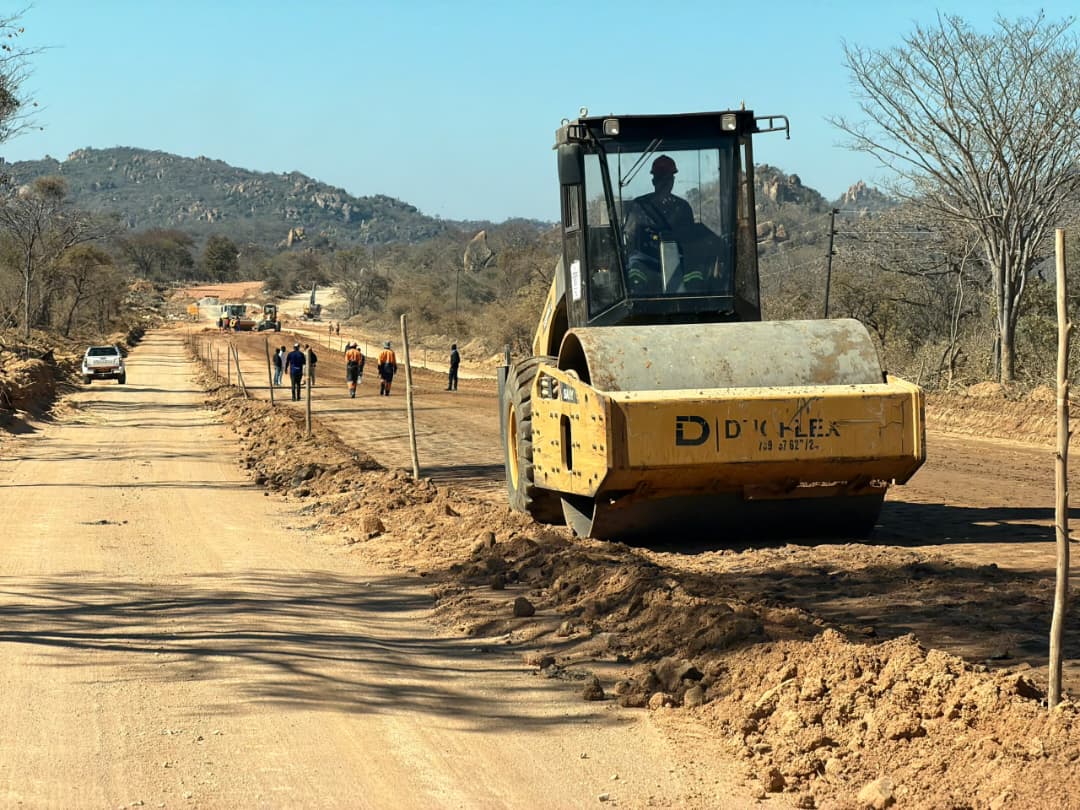
Road Infrastructure Renewal: Rehabilitate and maintain
In addition, all terrestrial roads connecting isolated fishing camps and rural districts should be rehabilitated and maintained so that water travel is a choice, not a dangerous monopoly.
Lastly, the Government must ensure that there is independent oversight on marine transportation, by way of establishing transparent safety audits and independent inquiries for all public and private commercial vessels operating on our inland lakes.
Lake Kariba must be managed as vital, highly regulated public transport infrastructure, ensuring safety rules protect our most vulnerable citizens before they step foot onto a deck.



In civilized societies, ministers and other authorities responsible for transport and maritime industry would have resigned immediately. This manifests serious negligence of duty. How do people justify being employed to effectively run an industry when disasters of such magnitude that could have easily been prevented occur? How does someone justify being a minister responsible for transport, or home affairs or social welfare or for the province when disasters like these happen? Authorities, all the way to government, must be held accountable for this tragedy. It’s time these people take the life of ordinary people seriously and stop this praise singing nonsense they do on daily basis. Now they put the name of the President in bad light. Are they going to praise the President’s astute leadership by associating him with such disasters created by their shere dereliction if duty the same way they do when they talk about development in the country? It’s a real shame!!