Chronicle Editor
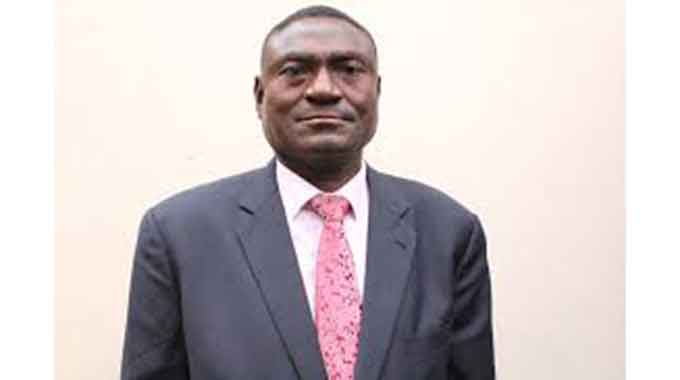
ZIFA’S newly-elected president, Nqobile Magwizi, faces the daunting task of transforming the association’s tainted image and reviving Zimbabwean football. For years, Zifa has been plagued by maladministration, corruption, and embezzlement allegations, leading to a decline in local teams’ competitiveness and a lack of transparency in financial activities.
Magwizi was elected on Saturday with his two vice-presidents, Kennedy Ndebele and Loveness Mukura, as well as ordinary board members, Tafadzwa Benza, Thomas Marambanyika, Kudzai Kadzombe, Brighton Ushendibaba, Davison Muchena and Alice Zeura.
They will be joined by the chairs of the Premier Soccer League and Zimbabwe Women Soccer League respectively.
Magwizi, who emerged as a virtual outsider in the Zifa presidential race on Saturday, has an uphill task ahead, but with the right strategies and a positive mindset, he could help take Zimbabwean football to new heights.
Over the past years, Zifa has suffered from pervasive corruption and mismanagement, which has had a significant impact on the development of football in Zimbabwe.
The successive leadership crises have led to a sharp decline and a lack of competitiveness among local teams. This trend has been further fuelled by inadequate funding, irregularities in player transfers, and the lack of transparency in Zifa’s financial activities.
If Zifa is to have any hope of reversing this trend, Magwizi must provide a framework that promotes transparency, accountability, and inclusivity. The new leadership must take steps to ensure that it is free from the petty squabbles and bickering that have plagued Zifa for far too long. They need to work towards putting in place a culture that demands respect for the rule of law and good governance.
His impressive CV and passion for the game are promising, but he must prioritise grassroots development, women’s football, and junior academies, with incentives offered to those who prove successful.
He must work towards the professionalism of Zimbabwean football and make it attractive to investors. Magwizi should also put adequate measures in place to ensure that his board is driven by a passion for the game rather than personal gain.
As we urge Magwizi to lead the charge in reviving Zimbabwean football, it is also important to remind him of the challenges that lie ahead. First, he should take immediate action to ensure that Zifa is free of corruption by instituting an independent auditor to scrutinise all financial activities of the association. He should also set up an anti-corruption unit, free from any interference. This unit should be tasked with investigating all suspected cases of irregularities in player transfers, match-fixing, and favouritism.
In addition to this, we also implore Magwizi to look at aligning Zimbabwean football with global standards and trends. He must work towards forging strong ties with international sports associations. This would give Zimbabwean football exposure and facilitate the transfer of technology, know-how, and resources across borders.
Magwizi needs to be bold and decisive in his leadership. The challenges ahead require strong leadership and a willingness to make difficult decisions. He must be guided by the people of Zimbabwe and the love they have for the game. The new board must also be willing to accept and implement constructive criticism and suggestions from stakeholders, such as players, coaches, and fans.
Zimbabwean football is at a critical juncture, and Magwizi needs to lead the change. The new board must work on rebranding Zifa and promote transparency, accountability, and inclusivity to restore the association’s reputation. With strong leadership and a willingness to change, Zimbabwean football can overcome its challenges and regain its position of pride in the African continent.


 Online Reporter