The Second Republic is not just building a stadium; it is rebuilding trust. As Zimbabwe prepares to commemorate its sovereignty, the people of Matabeleland South are witnessing a tangible manifestation of what leadership with a “proven knack” for revival looks like.
For months, the rolling landscapes of this province have resonated not with the lament of neglect, but with the rhythm of construction. More than a thousand workers — the vast majority of them local sons and daughters — have pushed through heavy rains and strong winds to meet the deadlines for the nation’s 44th Independence Day celebrations. Yet they are doing more than simply preparing for a ceremony. They are physically welding shut a painful chapter of broken promises and abandoned dreams.
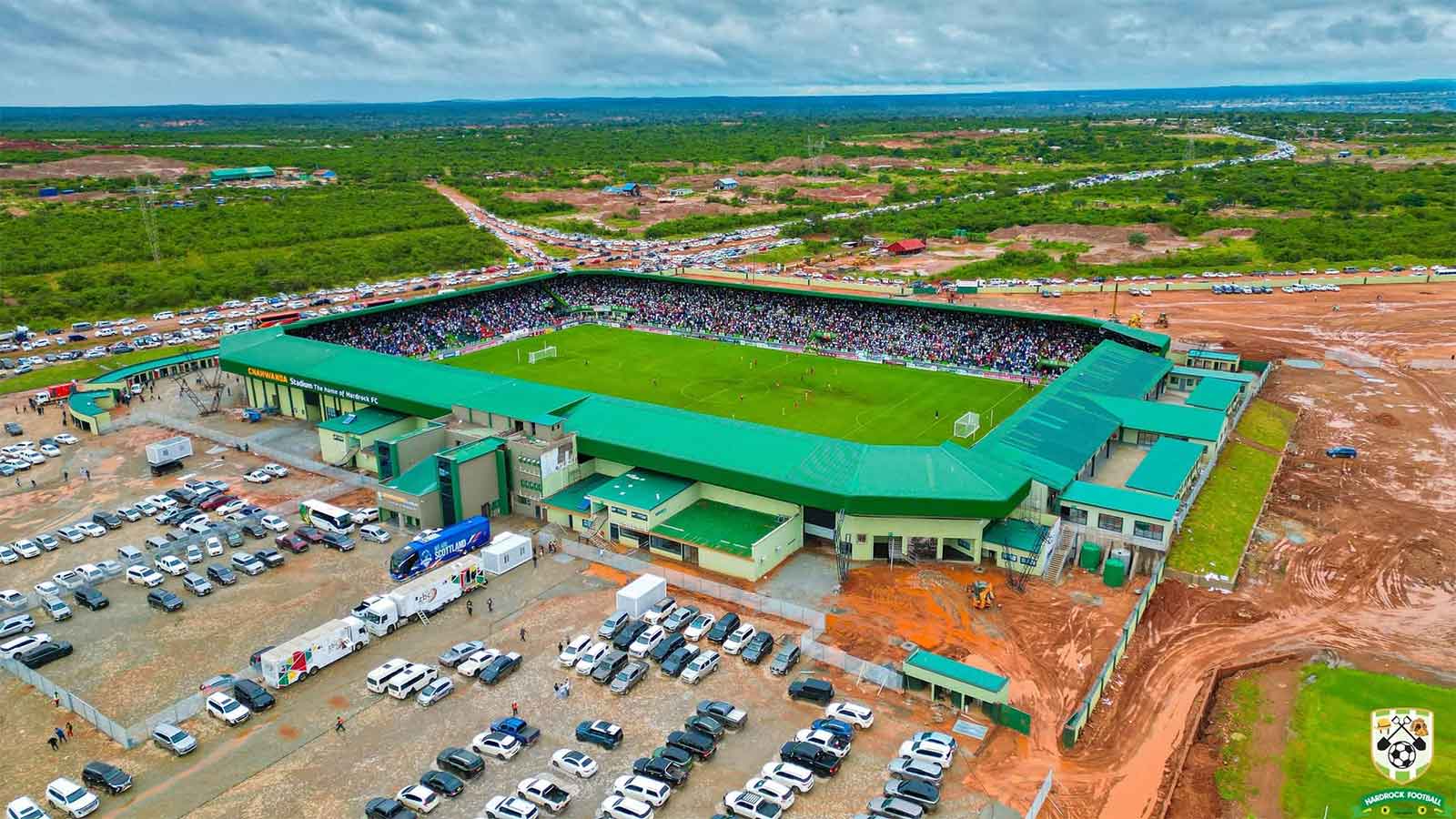
The upcoming main commemorations at the fast-rising Maphisa Stadium have acted as a catalyst, but the real story lies in the periphery: the resurrection of skeletons that have haunted this province for decades. Under President Mnangagwa’s leadership, we are witnessing a decisive shift from the politics of rhetoric to the politics of delivery. This development momentum is not merely about bunting and banners for a one-day event; it is about breathing life into long-neglected infrastructure that should have been serving communities years ago.
Consider the facts on the ground. The Filabusi Registry Office, a project initiated in 2004, stood as a monument to inertia for 22 years.
Today, it is slated for completion. The Joshua Mqabuko Nkomo Polytechnic, which started in 2006, will finally open its doors fully this year.
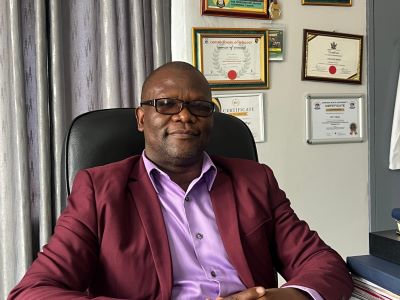
As Matabeleland South Provincial Director Sijabuliso Ncube aptly noted, the Independence Day commemorations have provided a long-awaited opportunity to clear a “nagging backlog.”
This is what the mantra “leaving no one and no place behind” looks like in practice — it means going back for the people and the projects history forgot.
The transformation of Maphisa from a modest outpost into a burgeoning hub is a microcosm of this national rebirth. Yet the beauty of this development lies in its depth.
While the stadium terracing climbs to level nine, 40 science laboratories are rising simultaneously in schools across the province. For years, Matabeleland South has languished at the bottom of national pass rate league tables, specifically in science subjects.
By constructing these labs, the Government is not just building classrooms; it is building the intellectual capacity of a generation that was previously barred from scientific study due to a lack of facilities.
Furthermore, this is development with a human face. District Development Co-ordinator Obey Chaputsira highlights that of the 1 000 workers on site, 80 percent are local. In an era where economic inclusion is paramount, these projects are putting food on the tables of families in Matobo and beyond.
The rains, which initially threatened to delay progress, have ironically nourished the very turf of the new stadium, symbolising how challenges can be harnessed into opportunities under competent stewardship.
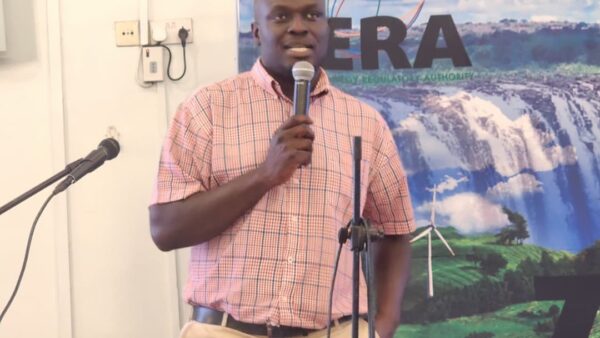
Minister Albert Nguluvhe rightly describes these developments as “huge blessings.”
But for the villager at Mahetshe, like Brilliant Moyo, the blessing is as intimate as the construction of a school administration block, ending the indignity of conducting private affairs in public view. It is in these small dignities, as much as the grand infrastructure, that the Second Republic is winning the hearts of the people.
As we approach Independence Day, let us look beyond the festivities. Let us see the Maphisa project for what it truly is: evidence that the backlog of the past is being cleared, that the “pain in the flesh” of bad roads is being soothed, and that the promises made to the people of Matabeleland South are finally being carved in stone and steel.
The Second Republic is not just building a stadium. It is rebuilding trust — one project, one road, one laboratory, and one restored dignity at a time.