AFRICA, including Zimbabwe, seeks wider international ties and expanded global trade as part of efforts to bring greater prosperity to the almost 1,6 billion people on the continent, so the third Russia-Africa Summit and Economic Forum in Moscow this week has attracted widespread support.
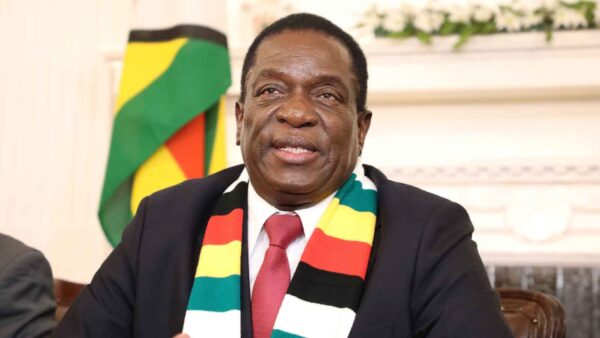
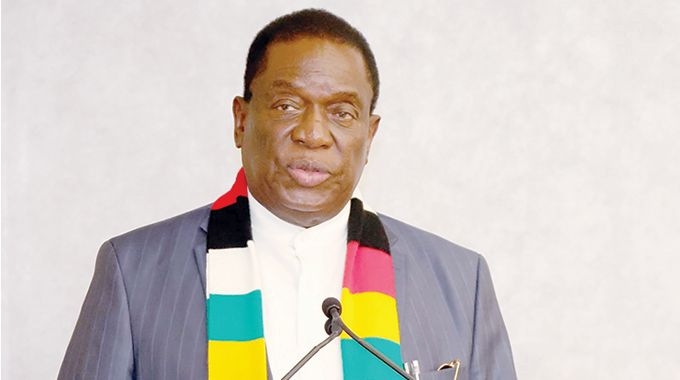
President Mnangagwa is attending in his capacity as the new chairperson of the Common Market of East and Southern Africa as well as Zimbabwean President, and thus will be an important voice in the discussions and the decisions.
As expected, the President has been stressing concrete economic gains, focussing on “tangible benefits” as he put it on arrival in Moscow.
He sees the summit as part of a major drive for economic diversification, boosting industrial trade, thus creating more sustainable jobs in Zimbabwe, especially for youth.
With the world’s largest youthful population, Africa as a whole is keen on the sort of development that ensures all have a future.
Business between Africa and Russia has tended to be below trade with other parts of the world, probably because both Russia and most African countries tend to be exporters of commodities, rather than products. This obviously must change, hence the inclusion of industrial trade in the discussions.
The President sees several key sectors where growth can be accelerated with better ties to Russia, including energy, food security, digital transformation and technology. But as he also stressed, this requires finding and cementing win-win partnerships.
The inclusion of energy into the priorities is important. Russia is a major producer and exporter of natural gas and petroleum products, and easily the largest such exporter outside the Gulf, so can play a major role in global efforts to minimise disruption in this vital global trade caused by conflicts. Russia is also a major centre of technology development.
The general theme of the summit, “For Peace, Security, and Development”, will be looking at specifics as the President noted on his arrival.
Since almost all trade and economic ties between countries are conducted within and by the private sector these days, the President has arranged meetings with Russian business people interested in Zimbabwean trade and investment.
There have already been several fruitful ties with Russian businesses under the Second Republic, but these need to be consolidated and expanded.
He will also be meeting the large Zimbabwean diaspora community in Russia, with its strong section of Zimbabweans studying in technology and other scientific fields.
Again this has become a hallmark of his foreign visits, making sure that Zimbabweans keep in contact with their homeland and can seize the opportunities that their training and presence in foreign countries do open up.
These sort of contacts have always been seen by the President as important as the political contacts in summits and as the meeting he will be having with President Vladimir Putin.
Ties between countries can be cemented through political understanding, but concrete results come from generating more business. Both are important when developing foreign relations.
Chairing Comesa means that President Mnangagwa will have a special responsibility to make sure that this large group of African countries has its specific voice heard, although there will be other leaders from within the bloc at the summit, including the co-chair of the summit, African Union chairperson President Évariste Ndayishimiye of Burundi.
But President Mnangagwa can speak for the whole region.
Zimbabwe has made immense gains under the Second Republic, and a significant part of those gains arise from the unrelenting stress President Mnangagwa has placed on a foreign policy to make the country a friend to all and an enemy of none.
When it comes to choosing friends, we want to choose everyone so we can move ahead.
This desire plays a part in his higher profile attendance at practical co-operation meetings, such as the Russia-Africa Summit, the latest he is attending.
There have been, in recent years, disruptions and even fissures in the international order that has played such a decisive role in global affairs. Africa could well be a better unifier of this international order since breakdowns hit us hard.
So President Mnangagwa’s voice of reason is important.