Zimbabwe is strengthening its fight against drug and substance abuse through a national strategy combining law enforcement, prevention and rehabilitation, with the planned 700-bed.
Presidential High-Capacity Drug Rehabilitation Centre serving as a model for replication across all 10 provinces to expand treatment access and support recovery nationwide.
The proposed centre, whose model will be replicated across the country’s 10 provinces, marks an important shift towards a coordinated response that recognises rehabilitation as an essential component of building healthier communities, strengthening families and creating opportunities for affected individuals to recover and contribute meaningfully to society.
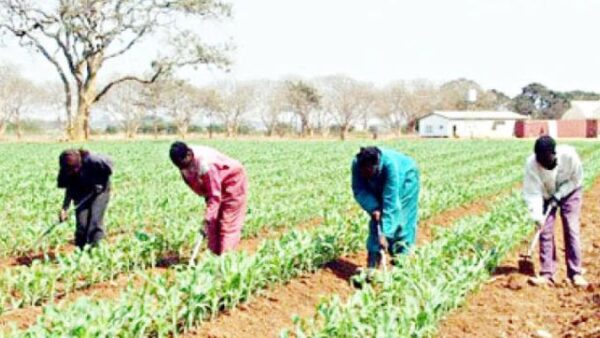
By integrating clinical treatment with psychosocial rehabilitation, vocational training, agriculture, sport, recreation and community reintegration, the initiative seeks to address the different dimensions of addiction while equipping recovering individuals with the practical skills and support needed to rebuild their lives.
This integrated model is critical because successful recovery extends beyond overcoming physical and psychological dependency, requiring supportive families, meaningful economic opportunities and accessible community services that help individuals maintain progress and reduce the risk of relapse.
The latest national interventions demonstrate the seriousness with which authorities are approaching the challenge, with drugs worth more than ZiG26,7 million seized between June 1 and September 19, 2026, as enforcement agencies intensified operations against illegal drug distribution.
During the reporting period, 3 839 people were arrested and referred to court, 73 drug bases were destroyed and 171 awareness campaigns were conducted across the country, reflecting the importance of combining law enforcement with sustained public education and prevention.
These measures complement the rehabilitation programme by addressing both the supply of harmful substances and the need to reduce demand, demonstrating why a co-ordinated national response offers a stronger foundation for protecting communities than isolated interventions.
The country’s existing psychiatric institutions, including Ingutsheni Central Hospital in Bulawayo and Ngomahuru in Masvingo, have been providing care to people affected by drug and substance abuse despite not being dedicated rehabilitation centres.
The establishment of specialised facilities will help expand treatment capacity while creating environments specifically designed to support recovery, develop practical skills and prepare patients for successful reintegration into their families and communities.
The ongoing refurbishment of rehabilitation facilities in Gwanda and Sakubva in Mutare provides further encouragement, demonstrating the importance of expanding services beyond major urban centres and bringing assistance closer to communities requiring support.
As the proposed model is rolled out, equitable access should remain a priority, ensuring that people in rural communities, smaller towns and underserved districts can benefit from appropriate treatment without geographical or financial barriers undermining their chances of recovery.
The national response is already recording progress in treatment and psychosocial support, with 3 363 patients receiving treatment, 5 707 people accessing psychosocial support and 594 individuals being reintegrated into their families and communities during the reporting period.
These interventions demonstrate that recovery is possible when treatment is accompanied by practical assistance, family involvement and sustained support, reinforcing the importance of expanding services to meet growing demand across the country.
Prevention initiatives are also reaching substantial numbers of people, with more than 1,39 million benefiting from awareness campaigns, youth empowerment, vocational training, research and livelihood programmes, reflecting the potential of coordinated action to strengthen community resilience.
Maintaining this momentum will require schools, parents, traditional leaders, churches, sporting organisations, healthcare professionals and community groups to work together in promoting responsible choices, identifying warning signs and encouraging affected individuals to seek assistance without fear of stigma.
The proposed National Drug, Substance Abuse Control and Enforcement Agency Bill, currently before the Parliamentary Legal Committee for consideration, could further strengthen coordination and accountability across institutions responsible for preventing abuse, enforcing legislation and supporting rehabilitation.
Businesses found facilitating illegal drug distribution must face the full consequences of the law, while inspections, intelligence-led investigations and public awareness initiatives should continue disrupting criminal networks and protecting communities from substances that threaten public health.
The Government is laying the groundwork for a more comprehensive response to drug and substance abuse, and sustained co-operation between authorities, communities, families and the private sector can turn these initiatives into lasting gains for public health and national development.